
I have been researching Eastern European countries for foodies lately since I’m heading to Hungary in July with my husband for a year abroad, and I’m excited to experience the food scene and share it with all my readers. Eastern Europe is quickly becoming one of the most exciting regions in the world for culinary travel. According to a 2025 report by the Centre for the Promotion of Imports, 29% of travelers cited food and drink as a key reason to travel in 2024, with interest expected to keep rising. From slow-cooked stews and fermented staples to ancient winemaking traditions, Eastern European countries for foodies offer a truly unique and memorable experience. If you’re planning a trip and want to save recipes, restaurant finds, or food notes on the go, make sure you stay protected by using a VPN for iPhone when connecting to public Wi-Fi to keep your data secure while you travel.
Poland
Polish cuisine is defined by its roots in fermentation, seasonal produce, and slow cooking. The national dish, bigos, is a rich hunter's stew made from sauerkraut, fresh cabbage, and a mix of meats that deepens in flavor the longer it simmers. Pierogi, which are dumplings stuffed with potato and cheese, meat, or fruit, are as varied as they are ubiquitous, and each region has its own take. Żurek, a sour rye soup often served in a bread bowl, is another must-try. Poland's food culture rewards the adventurous eater willing to go beyond Warsaw's city center into smaller towns and market stalls, where traditional recipes have changed little over generations. Be sure to look out for exciting new Polish recipes later this year. In the meantime, try these air-fried pierogi.
Want to Save This Recipe?
Enter your email & I'll send it to your inbox. Plus, get great new recipes from me every week!
By submitting this form, you consent to receive emails from Went Here 8 This.
Hungary
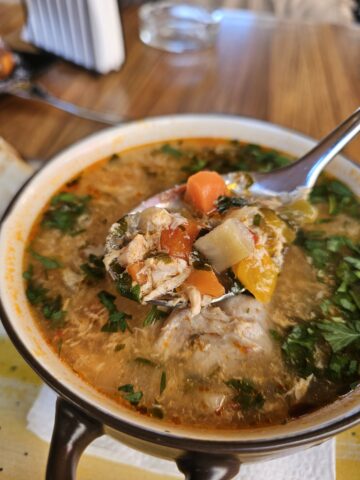
Get ready for a lot of Hungarian dishes, as I will be spending most of my time in Hungary. A single ingredient, paprika, defines their dishes. The spice, both sweet and hot varieties, gives dishes like goulash, chicken paprikash, and lecho their characteristic depth and color. Budapest is the natural base for food exploration, with a restaurant scene that ranges from traditional cellar taverns to contemporary Hungarian tasting menus. Lángos, a deep-fried flatbread typically topped with sour cream and cheese, is a popular street food found at markets throughout the country. Budapest's Christmas markets are particularly celebrated for the variety of hot dishes and sweet pastries on offer, making the city a compelling winter food destination. I am excited to try their cuisine and, in the meantime, share with you, in honor of Hungary, this Paprika recipe.
Romania
Romania's cuisine reflects centuries of Balkan, Ottoman, and Central European influences, resulting in hearty, rustic, and deeply satisfying dishes. Sarmale, cabbage leaves stuffed with seasoned minced meat and rice, are a staple at family celebrations and are considered the country's national dish by many. Mici, spiced grilled meat rolls served with mustard, are a beloved street food, while mămăligă, a polenta-style cornmeal porridge, has anchored Romanian tables for generations. Romania also has a strong dairy tradition: brânză, cașcaval, and urdă are all worth seeking out, particularly in rural areas where local producers still make them by hand.
If you like cabbage, try this recipe
Georgia
Georgia sits at the edge of Eastern Europe and the South Caucasus, and its food is unlike anything else in the region. Khachapuri, which is a boat-shaped bread filled with melted cheese and topped with a raw egg, is one of the most iconic dishes in the country, and khinkali, hand-pinched soup dumplings, is a close second. Walnuts and fresh herbs feature heavily across the menu, lending Georgian food a richness and complexity that sets it apart. The country is also widely recognized as the birthplace of wine, with a winemaking tradition spanning 8,000 years and UNESCO Intangible Cultural Heritage status for its ancient qvevri fermentation method. Wine tourism in the Kakheti region alone makes Georgia worth the trip for any serious food and drink enthusiast.
Eastern Europe's culinary diversity is one of its best-kept secrets, but not for long. Whether you're chasing dumplings in Kraków or natural wine in Tbilisi, the region deserves a spot on every foodie's travel list.
Why Eastern European Countries for Foodies Should Be on Your Travel List
Eastern Europe proves that some of the most memorable travel experiences happen at the table. From Poland’s comforting soups and dumplings to Hungary’s paprika-rich classics, Romania’s rustic family recipes, and Georgia’s bold flavors and ancient wine traditions, each country offers something truly special for food lovers. As interest in culinary travel continues to grow, this region stands out for its authenticity, tradition, and incredible variety.
I’m especially excited to explore Hungary in person this year and share new recipes, restaurant finds, food stories, and video maker content along the way. If you’re a foodie looking for your next adventure, Eastern Europe might just become your new favorite destination.


Comments
No Comments