
After spending hours exploring the ancient ruins of Athens, I found a completely different—and much tastier—way to experience ancient Greece: making and eating the food!
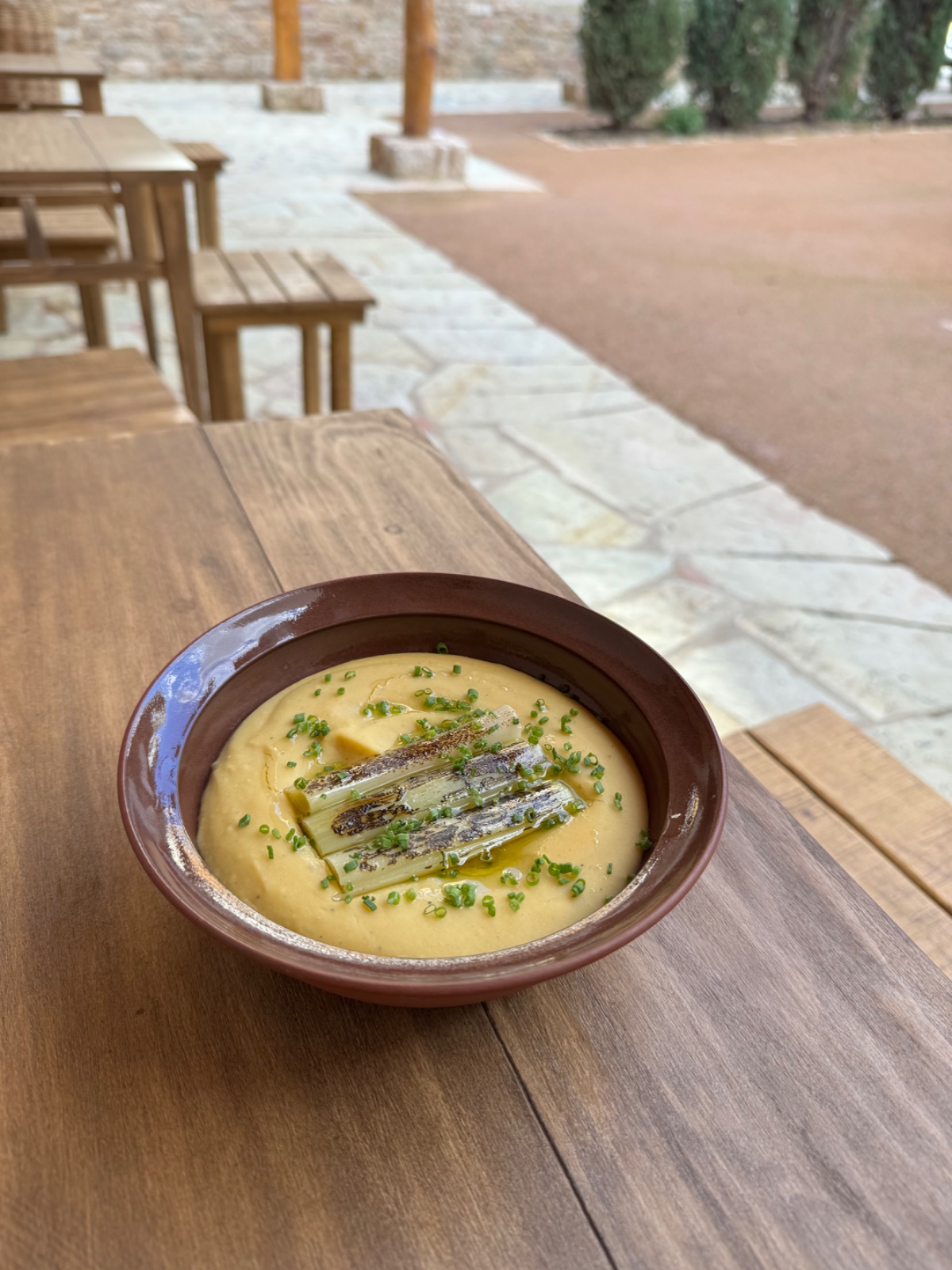
During our trip to Athens, we visited Plataeon, an immersive living-history experience where we stepped back into 290 BCE, tried our hands at ancient breadmaking and clay pottery, and sat down in a recreated Hellenistic tavern for food and wine inspired by ancient Greek cooking. One dish in particular stole the show: fava with charred leeks.
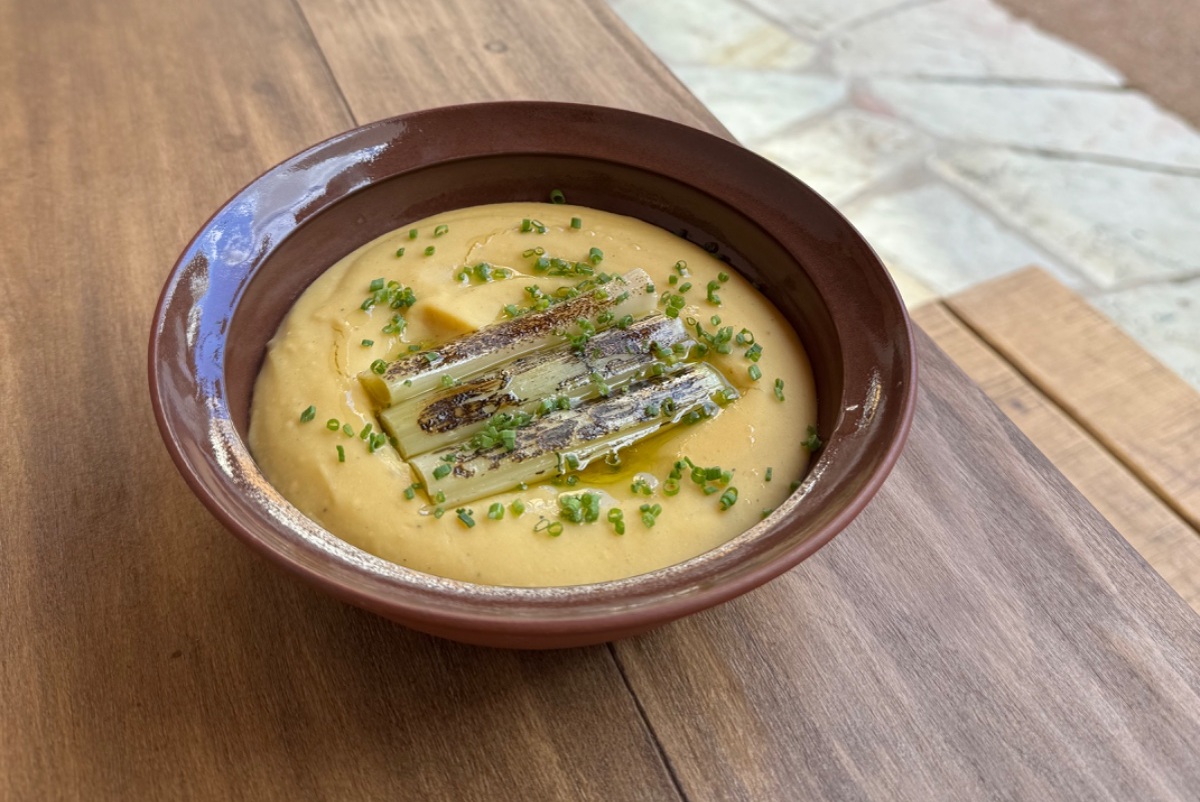
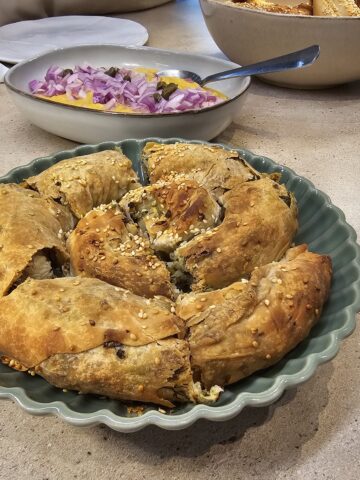
Creamy, earthy, and ridiculously simple, traditional Greek fava is made from yellow split peas simmered until velvety smooth, then topped with tender leeks grilled until deeply charred and finished with a generous drizzle of fruity olive oil. Alongside the Vegan Spanakopita Recipe we learned to make in Athens, this dip has become one of my favorite ways to bring a taste of Greece home.
Want to see the full 290 BCE breadmaking, pottery, and tavern experience that inspired this dish? Check out my full guide to Stepping Back Into 290 BCE Athens at Plataeon!
What Is Greek Fava?
Despite its name, traditional Greek fava isn't made from green fava beans—it's a velvety, hummus-like puree made from yellow split peas simmered with onion, carrot, olive oil, and water. Served at room temperature and topped with smoky charred leeks, it's a naturally vegan, protein-packed Mediterranean dip.
Jump to:
- Why You’ll Love This Fava With Charred Leeks
- Ingredients for Fava With Charred Leeks
- Key Ingredients
- How to Make Fava With Charred Leeks
- Pro Tips for Creamy, Restaurant-Style Greek Fava
- What to Serve With Fava With Charred Leeks
- Frequently Asked Questions
- Storage, Reheating, and Make-Ahead Tips
- A Taste of Ancient Athens at Home
- Recipe
- 💬 Comments
Why You’ll Love This Fava With Charred Leeks
What I love most about this dish is that it doesn't need a complicated ingredient list or fancy garnishes—just a handful of humble pantry staples treated well. The yellow split peas break down into a silky, earthy puree that contrasts beautifully with the sweet, smoky centers of the charred leeks and a final drizzle of raw olive oil.
- Only 7 Simple Ingredients: Pantry-friendly yellow split peas, onion, carrot, leek, olive oil, water, and salt—naturally vegan and gluten-free.
- Two-Step Charred Leeks: Grilling the leeks first gives them smoky depth, while baking them covered turns the centers melt-in-your-mouth tender and sweet.
- Ideal Make-Ahead Mezze: Because Greek fava is meant to be served at room temperature, it's stress-free for dinner parties and grazing boards.
Want to Save This Recipe?
Enter your email & I'll send it to your inbox. Plus, get great new recipes from me every week!
By submitting this form, you consent to receive emails from Went Here 8 This.
Ingredients for Fava With Charred Leeks
Scroll down to the recipe card for a printable version of the ingredients and instructions.
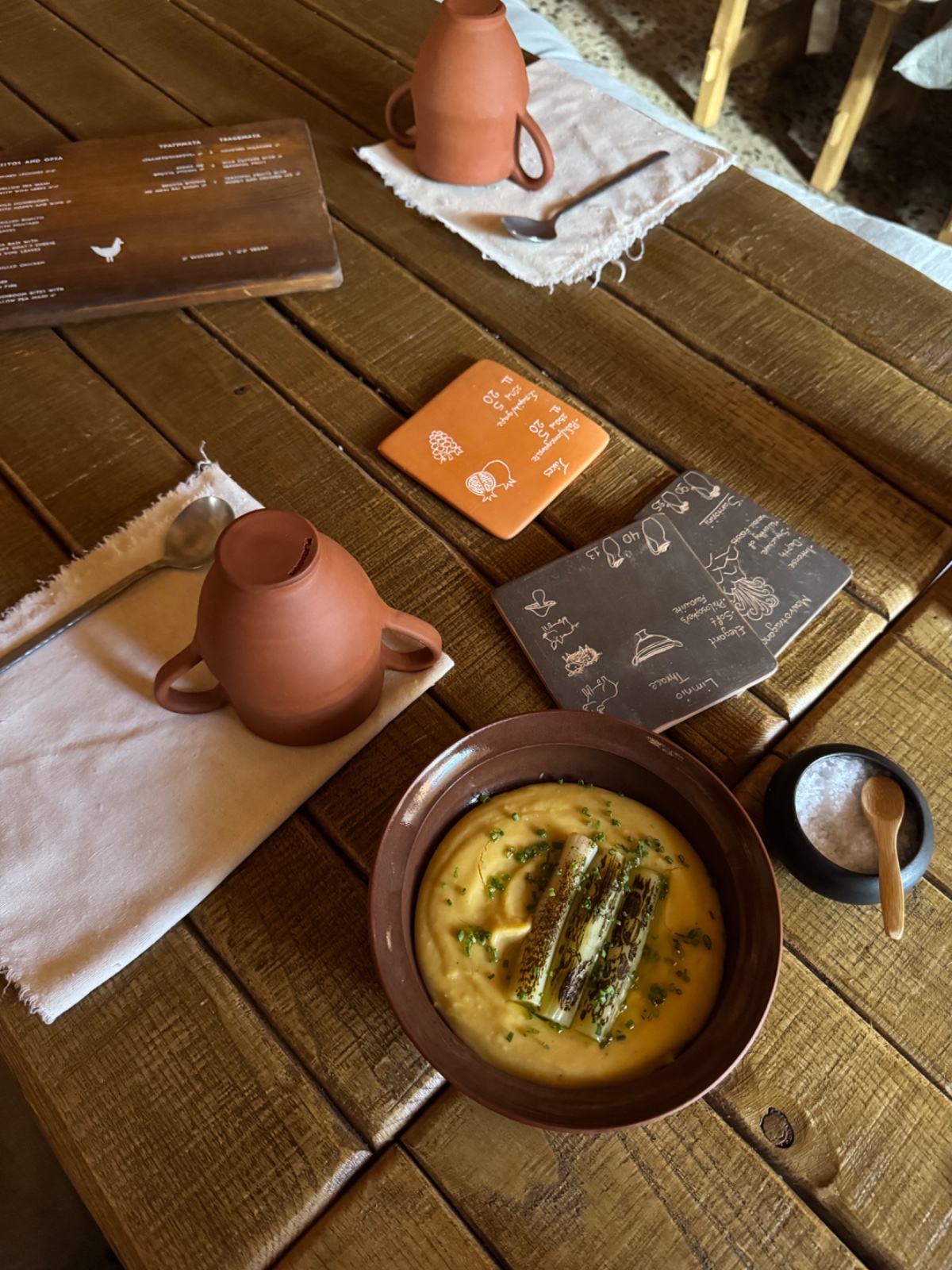
- 7 oz yellow split peas (Greek fava)
- 1 medium onion
- 1 small carrot
- 1 large leek
- ½ cup olive oil
- 2.1 cups of water
- Salt, to taste
Key Ingredients
Yellow Split Peas
Greek fava is made with dried yellow split peas rather than the fresh green fava beans many people associate with the name. As they simmer, the split peas break down naturally into a thick, creamy puree with a mild, nutty flavor.
Leeks
The leeks are what really set this version apart. Grilling them until the outer layers blacken infuses the inside with smoky aroma, and steaming them covered in the oven turns the hearts silky and sweet. Once you peel away the charred outer skin, those tender leek centers steal the show.
Olive Oil
With such a short ingredient list, good-quality extra-virgin olive oil really matters. Part of it sautés the aromatics, while the rest is drizzled raw over the finished dish to add a silky sheen and bright, fruity flavor.
How to Make Fava With Charred Leeks
Step 1: Make the Fava
- Finely chop the carrots and onion.
- Heat the olive oil in a pot over medium heat. Add the chopped onion and carrots and sauté until softened.
- Add the water, yellow split peas, and salt.
- Lower the heat and simmer until the split peas have completely broken down and the mixture has thickened.
- Remove the pot from the heat.
- Use a hand blender (immersion blender) to blend the fava until completely smooth and creamy.
The finished fava should be thick, creamy, and smooth—similar to warm hummus. If it seems too thin, simmer it uncovered for a few extra minutes to evaporate excess liquid.
Step 2: Char the Leeks
- Cut the leeks into pieces approximately 2.25 inches long.
- Grill the leeks over high heat until the outer layer is deeply charred.
- Place the grilled leeks in a baking dish with a small splash of water and seal tightly with foil or a lid.
- Bake for approximately 20 minutes, or until the centers are completely tender.
- Peel off and discard the charred outer layer from the leeks, keeping the sweet, tender centers.
This two-step cooking process gives the leeks an unbeatable texture—smoky from the grill on the outside, buttery-soft and sweet on the inside.
Step 3: Assemble and Serve
- Spoon the fava onto a serving plate or shallow bowl.
- Allow the fava to come to room temperature.
- Arrange the tender leek centers over the top.
- Finish with a generous drizzle of raw olive oil.
Pro Tips for Creamy, Restaurant-Style Greek Fava
- Rinse Your Split Peas Well: Give the yellow split peas a thorough rinse under cold water before simmering to remove excess starch so the puree cooks cleanly without foaming over.
- Don't Fear the Char: Let the outer skin of the leeks get truly blackened on the grill or grill pan—you're going to peel that outer layer off anyway, and that deep char is what infuses the tender inner layers with smoky flavor.
- Remember It Thickens as It Cools: Like hummus or mashed potatoes, yellow split pea puree firms up noticeably as it reaches room temperature, so blend it while hot and slightly looser than your final target consistency.
What to Serve With Fava With Charred Leeks
This fava makes a gorgeous centerpiece on a Mediterranean mezze platter! Serve it alongside warm crusty bread, Kalamata olives, and a few of these Greek-inspired favorites:
- Vegan Spanakopita Recipe: Flaky, herb-filled Greek spinach pie makes the ultimate companion for a plant-based Greek spread.
- Couscous Salad: Fresh vegetables and bright herbs balance the rich, earthy split peas.
- Pistachio Baklava: Wrap up your Athens-inspired dinner with sweet, crunchy honey-nut pastry.
It also works wonderfully as an appetizer or side dish next to grilled fish, roasted chicken, or lamb—and if you want the full Plataeon tavern vibe, pour a crisp glass of Greek white wine!
Frequently Asked Questions
Greek fava is a creamy puree traditionally made with yellow split peas simmered with aromatics and olive oil. Despite its name, it isn't made from fresh green fava beans.
This version is topped with charred leeks that are grilled until blackened on the outside and then baked covered until the centers turn sweet and tender, creating an amazing smoky contrast to the earthy fava.
Absolutely. You can make the yellow split pea puree up to 3 days ahead and store it in the refrigerator. Bring it to room temperature before serving, loosening with a splash of water if needed, and top with the charred leeks and olive oil right before serving.
This version is best served at room temperature. Letting the fava warm slightly after refrigeration allows its creamy texture and fruity olive oil flavor to really shine.
Storage, Reheating, and Make-Ahead Tips
- Storage: Store leftover fava in an airtight container in the refrigerator for up to 3–4 days. Keep the charred leeks stored separately so they stay tender without getting waterlogged.
- Serving Leftovers: Set the fava and leeks out on the counter for 20–30 minutes to come to room temperature. If the puree has thickened in the fridge, stir in a small splash of warm water until silky again, then finish with fresh olive oil.
- Make-Ahead: Both components can be made the day before a dinner party—simply assemble on a platter and add the raw olive oil drizzle right before guests arrive.
A Taste of Ancient Athens at Home
Sometimes the best way to understand a culture isn't just by looking at the monuments they built—it's by making what they made and sitting down to share it. This Ancient Greek fava with charred leeks is proof that a few humble ingredients can create something deeply comforting and unforgettable.
Did you make this fava recipe? Leave a star rating and comment below to let me know how you served it!
Recipe
Ingredients
Instructions
Make the Fava
- Finely chop the carrots and onion.
- Heat the olive oil in a pot over medium heat. Add the chopped onion and carrots and sauté until softened.
- Add the water, yellow split peas, and salt.
- Lower the heat and simmer until the split peas have completely broken down and the mixture has thickened.
- Remove the pot from the heat.
- Use a hand blender to blend the fava until smooth and creamy.
- The finished fava should be thick, creamy, and smooth. If it seems too thin, continue cooking for a little longer to allow some of the excess liquid to evaporate.
Char the Leeks
- Cut the leeks into pieces approximately 2.25 in long.
- Grill the leeks until the outer layer is deeply charred.
- Place the grilled leeks in a baking dish with a small amount of water and seal tightly.
- Bake for approximately 20 minutes, or until the centers are completely tender.
- Remove the charred outer layer from the leeks, keeping the tender centers.
- This two-step cooking process is what gives the leeks their incredible texture—the outside gets smoky and charred while the inside becomes soft and sweet.
Assemble and Serve
- Spoon the fava onto a serving plate or shallow bowl.
- Allow the fava to come to room temperature.
- Arrange the tender leek centers over the top.
- Finish with a generous drizzle of raw olive oil.
Comments
No Comments