
One of my favorite things about cooking is that it gives you a chance to explore the
world without ever leaving your kitchen. A bowl of Vietnamese noodles, a spicy Thai
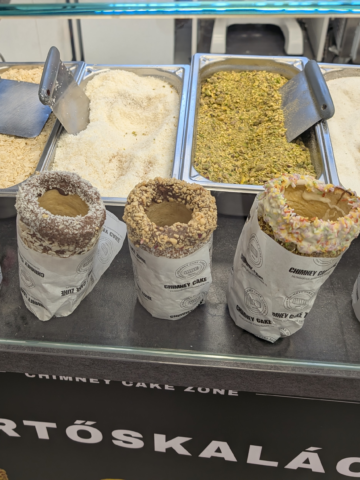
curry, or a plate of Hungarian chimney cake can transport you somewhere completely
different with just a few simple ingredients. But the question I use to have was how do I get Ingredients for International Cooking?
Since moving to Budapest and spending more time traveling throughout Central and
Eastern Europe, I've been discovering all kinds of new foods, flavors, and ingredients.
I've also made a long list of dishes I want to recreate when I get home.
The only problem? Some of the recipes I've discovered call for ingredients that aren't
always easy to find at a typical U.S. grocery store.
You might need a particular spice, a specific type of rice, a regional sauce, fresh herbs,
or even a cut of meat that isn't commonly stocked. That's when knowing where to shop
makes all the difference.
Whether you're recreating a dish you enjoyed while traveling or simply experimenting
with a new cuisine, finding international ingredients doesn't have to be difficult. In fact,
exploring different markets and discovering unfamiliar ingredients can be one of the
most fun parts of cooking.
Once you know where to look, you'll be surprised by how many options are available.
Here are some of my favorite ways to find the ingredients you need for international
cooking without turning grocery shopping into a full-time job.
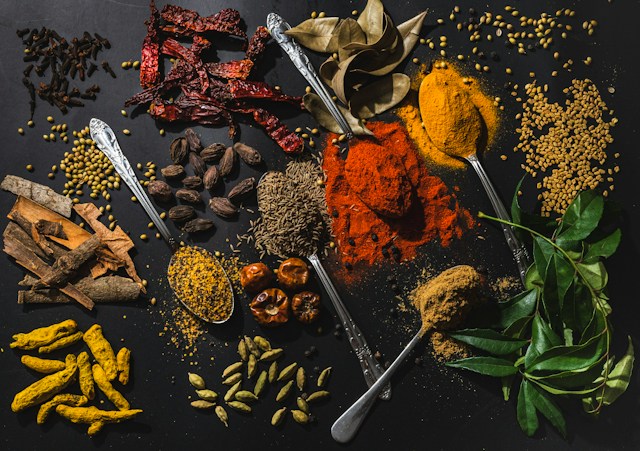
Jump to:
- Start With Your Regular Grocery Store
- Visit International Markets for More Variety
- Stock Up on Dry Staples
- Check Farmers Markets for Fresh Herbs and Produce
- Order Online When You Need Something Special
- How much do you need?
- What are the storage requirements?
- Store Your Ingredients Properly
- Build Your International Pantry Slowly
- Make Ingredient Shopping Part of the Adventure
- Ingredients for International Cooking Final Thoughts
- 💬 Comments
Start With Your Regular Grocery Store
Before making a special trip to an international market, take a look around your regular
grocery store. You may be surprised by just how many international ingredients are
already available.
Most larger supermarkets have an international foods aisle, but don't stop there.
Specialty ingredients can also be tucked into the produce section, refrigerated cases,
meat department, or regular pantry aisles.
Depending on the store, you may be able to find things like:
- Coconut milk and curry paste
- Soy sauce and rice vinegar
- Rice noodles and different varieties of rice
- Tahini and tortillas
- Dried chiles and specialty spices
- Fresh cilantro, Thai basil, and other herbs
- Imported sauces and condiments
I've learned that knowing where your grocery store keeps these ingredients can save a
lot of time. One item might be in the Asian foods aisle while another is sitting with the
fresh herbs or refrigerated products.
It also helps to shop with the recipe in hand. Before driving across town looking for a
specialty ingredient, check your local store first. You may already have most of what you
need.
For example, if you're making recipes like my Vietnamese Noodle Salad with
Lemongrass Beef or Nyonya Curry Chicken, you may find many of the ingredients at a
larger supermarket.
Want to Save This Recipe?
Enter your email & I'll send it to your inbox. Plus, get great new recipes from me every week!
By submitting this form, you consent to receive emails from Went Here 8 This.
Visit International Markets for More Variety
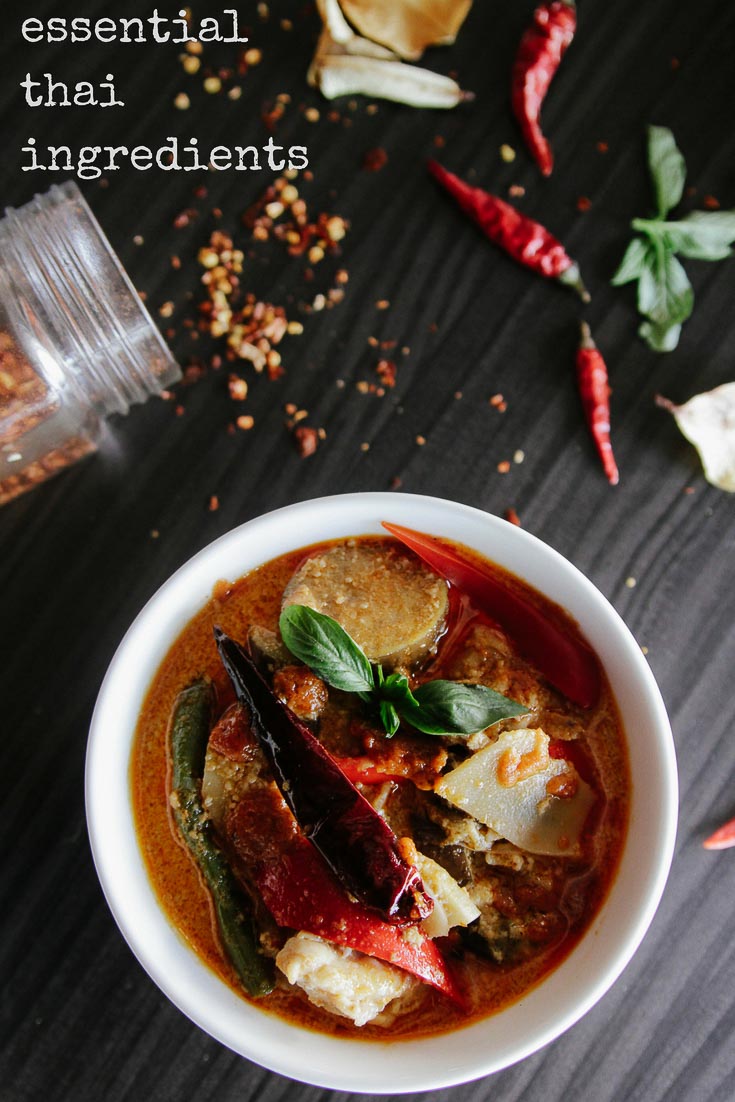
When my regular grocery store doesn't have what I need, an international market is
usually my next stop.
International markets are some of my favorite places to shop when I'm cooking food
from another part of the world. Not only can you find ingredients that aren't commonly
stocked at regular supermarkets, but you'll often find several varieties of the same
ingredient.
Asian markets can be especially helpful when cooking Thai, Vietnamese, Korean,
Chinese, Japanese, and other Southeast Asian dishes. Latin American markets are
great for chiles, masa, tortillas, and regional spices. Indian and Middle Eastern markets
are wonderful places to find curry spices, lentils, grains, and specialty pantry
ingredients.
One of the things I love most about these markets is the variety. You might find five
different types of fish sauce, several kinds of rice vinegar, or an entire shelf of curry
pastes and dried noodles.
Ingredients that look similar aren't always interchangeable. Different brands and
varieties can have noticeably different levels of salt, sweetness, spice, acidity, or
intensity, which can change the flavor of your finished dish.
For example, if you're making a Thai curry, you may want to look for ingredients such
as:
- Fish sauce
- Thai curry paste
- Tamarind
- Galangal
- Thai basil
Many of these ingredients are becoming easier to find at larger grocery stores, but
international markets often give you more choices.
If you're new to shopping at an international market, don't feel overwhelmed. Bring your
recipe, take your time, and give yourself a chance to look around. Ingredient labels may
be unfamiliar, and some products may have names written in another language.
That's part of the fun.
You can also check out my guide to essential Thai cooking ingredients before you go. It
can help you understand what you're looking for and how different ingredients are used.
For Japanese recipes, my guide to finding ingredients for international cooking is
another helpful resource. It covers essential Japanese ingredients and gives you a
better idea of what to look for when shopping for Japanese dishes.
Stock Up on Dry Staples

Once you start cooking more international recipes, you'll quickly notice that many
cuisines rely on the same basic pantry staples.
Rice, noodles, flour, lentils, beans, oats, and spices can be found in recipes from all
over the world. Keeping a few versatile ingredients in your pantry makes it much easier
to try something new without making a special shopping trip every time.
I like to keep a small selection of ingredients that I know I'll use regularly, such as:
- Jasmine rice
- Basmati rice
- Rice noodles
- Dried lentils
- All-purpose flour
- Coconut milk
- Common cooking spices
- Pasta and other dried noodles
You don't need to buy everything at once. Start with the ingredients you know you'll use,
then add new items as you discover recipes you love.
This is especially helpful when you're cooking multiple cuisines. A bag of jasmine rice
might become part of a Thai dinner one night and a Vietnamese-inspired meal another
night.
For home cooks looking for practical pantry staples, a bulk food store in Pleasant Mills
PA can be another useful place to shop. Whispering Pines Fruit Farm offers bulk foods,
groceries, and fresh produce, making it a convenient option for stocking up on
ingredients you use regularly.
Check Farmers Markets for Fresh Herbs and Produce
International cooking isn't just about sauces, spices, and pantry staples. Fresh
ingredients can make a huge difference too.
Farmers' markets are a great place to look for fresh herbs, peppers, greens,
mushrooms, and seasonal vegetables. You may even find varieties that aren't available
at your regular grocery store.
Fresh herbs are especially important in many international recipes. Ingredients like
cilantro, Thai basil, mint, parsley, and other fresh herbs can completely change the
flavor of a dish.
This is particularly useful for recipes like my Easy Red Chimichurri, where fresh herbs
and peppers are a big part of the flavor.
Of course, farmers' markets won't always have exactly what you're looking for.
Availability depends on the season, the local climate, and what's being grown.
That's where a little flexibility comes in.
If you can't find a particular pepper, herb, or vegetable, consider whether another variety
might work. Just keep in mind that some ingredients are more important to the overall
flavor than others.
And sometimes, finding something unexpected at the market can inspire an entirely new
recipe.
Order Online When You Need Something Special
Sometimes you simply won't be able to find a particular ingredient locally. That's when
online shopping can be incredibly helpful.
Specialty sauces, unusual spices, preserved foods, and regional ingredients are often
much easier to find online than in a local store. This can be especially useful when
you're trying to recreate a dish from a specific country or region.
Before ordering, I like to consider a few things.
How much do you need?
If a recipe calls for one tablespoon of a specialty ingredient, you probably don't need a
giant container. Start with a smaller amount if you're not sure how often you'll use it.
How often will you use it?
If you cook Thai food all the time, buying a larger jar of curry paste may make sense. If
you're trying a completely new cuisine, start small and see how much you like the
ingredient before stocking up.
What are the storage requirements?
Some ingredients need to be refrigerated after opening, while others can sit in the
pantry for months. Check the storage instructions before buying, especially if you're
ordering something in a larger quantity.
I also recommend checking the ingredient list before buying. Different brands can vary
quite a bit in flavor, saltiness, sweetness, and spice level.
The goal is to find something that works well for your recipe, not necessarily the first
product that appears in a search.
Store Your Ingredients Properly
Once you've started collecting international ingredients, you'll want to make sure you
store them properly.
Dry ingredients like rice, flour, sugar, pasta, and lentils generally last a long time when
stored correctly. Keep them in a cool, dry pantry, and transfer opened packages to
airtight containers whenever possible.
This helps protect them from moisture, pantry pests, and stale flavors. It also makes it
much easier to see what you have on hand.
Spices deserve a little extra attention. If you buy larger quantities, keep them tightly
sealed and away from heat and moisture. Spices gradually lose their flavor, so it's best
to buy amounts you'll realistically use.
And don't forget to label things when necessary.
If you have several jars of curry paste or different types of rice in your pantry, a quick
label can save you from standing there trying to figure out which one is which later.
I've definitely learned this lesson the hard way after buying ingredients for recipes and
then forgetting what I already had tucked away in the pantry. A little organization goes a
long way.
Build Your International Pantry Slowly
You don't need to stock your kitchen with ingredients from every cuisine in the world.
That can get expensive, and you'll probably end up with a pantry full of ingredients you
rarely use.
Instead, build your pantry around the foods you actually enjoy cooking.
If you love Vietnamese food, start with ingredients like fish sauce, rice noodles, rice
paper, and a few essential herbs. If Thai food is more your thing, keep coconut milk,
curry paste, fish sauce, and jasmine rice on hand.
For anyone who enjoys cooking a variety of cuisines, a few versatile ingredients can go
a surprisingly long way. Soy sauce, rice vinegar, garlic, ginger, dried chiles, and coconut
milk can be used in so many different recipes.
The more you cook, the more you'll figure out which ingredients deserve a permanent
spot in your kitchen.
And don't be afraid to let your pantry evolve. You may start out cooking mostly Thai food
and eventually find yourself experimenting with Vietnamese, Korean, Japanese, Indian,
or Eastern European recipes.
That's one of the best parts of cooking.
Make Ingredient Shopping Part of the Adventure
One of the things I love most about international cooking is that it gives you a reason to
explore.
When we moved to Budapest, I loved visiting markets, checking out local ingredients,
and discovering foods I'd never cooked before. Those experiences became part of my
everyday cooking and inspired recipes I probably wouldn't have thought about
otherwise.
Living somewhere new has made me appreciate just how much food can tell you about
a place. You start noticing the ingredients people use every day, the foods that fill
market stalls, and the flavors that show up again and again.
But you don't have to move to another country to get that same feeling.
A trip to an international market can be an adventure in itself.
Take your time, look at the ingredients, read the labels, and don't be afraid to pick up
something you've never tried before. You may discover a new favorite sauce, spice,
herb, or pantry staple.
And if you're not sure how to use something, start with a recipe. That's one of the
easiest ways to learn about an unfamiliar ingredient and understand what it can do.
Ingredients for International Cooking Final Thoughts
Finding ingredients for international cooking doesn't have to be complicated.
Your regular grocery store will cover many of the basics, while international markets,
farmers markets, bulk food stores, and online shops can help you track down more
specialized ingredients.
The key is to start small, shop with a plan, and build your pantry around ingredients you
actually enjoy using.
Don't worry about finding everything at once. Part of the fun is discovering new
ingredients as you explore different cuisines.
Once you get comfortable finding unfamiliar ingredients, international cooking becomes
much more approachable. And before you know it, you may find yourself looking
forward to your next market trip just as much as the meal you're planning to make.

Comments
No Comments