
After living in Hungary for a while, I can honestly say that catching the aroma of golden dough sizzling in hot oil still stops me in my tracks. That warm, savory street-food smell hits the air—and suddenly nothing else sounds quite as good as a fresh batch of this Hungarian langos recipe!
Traditional Hungarian lángos is famous for its irresistible contrast: shatteringly crisp, blistered golden edges with a soft, pillowy center ready to hold all your favorite toppings. Best of all, you don’t need a massive vat of oil like the street vendors use—pan-frying on the stovetop in just ½ inch of oil gives you that authentic crunch right at home.
What makes this Hungarian potato langos dough extra special is the secret tucked right inside: warm milk, active yeast, flour, and mashed potato kneaded into a tender, stretchy dough. If you’re already daydreaming about Central European comfort food, take a peek at my Exploring Budapest Through Food: A Food Lover's Guide to Hungary's Capital for even more local inspiration.
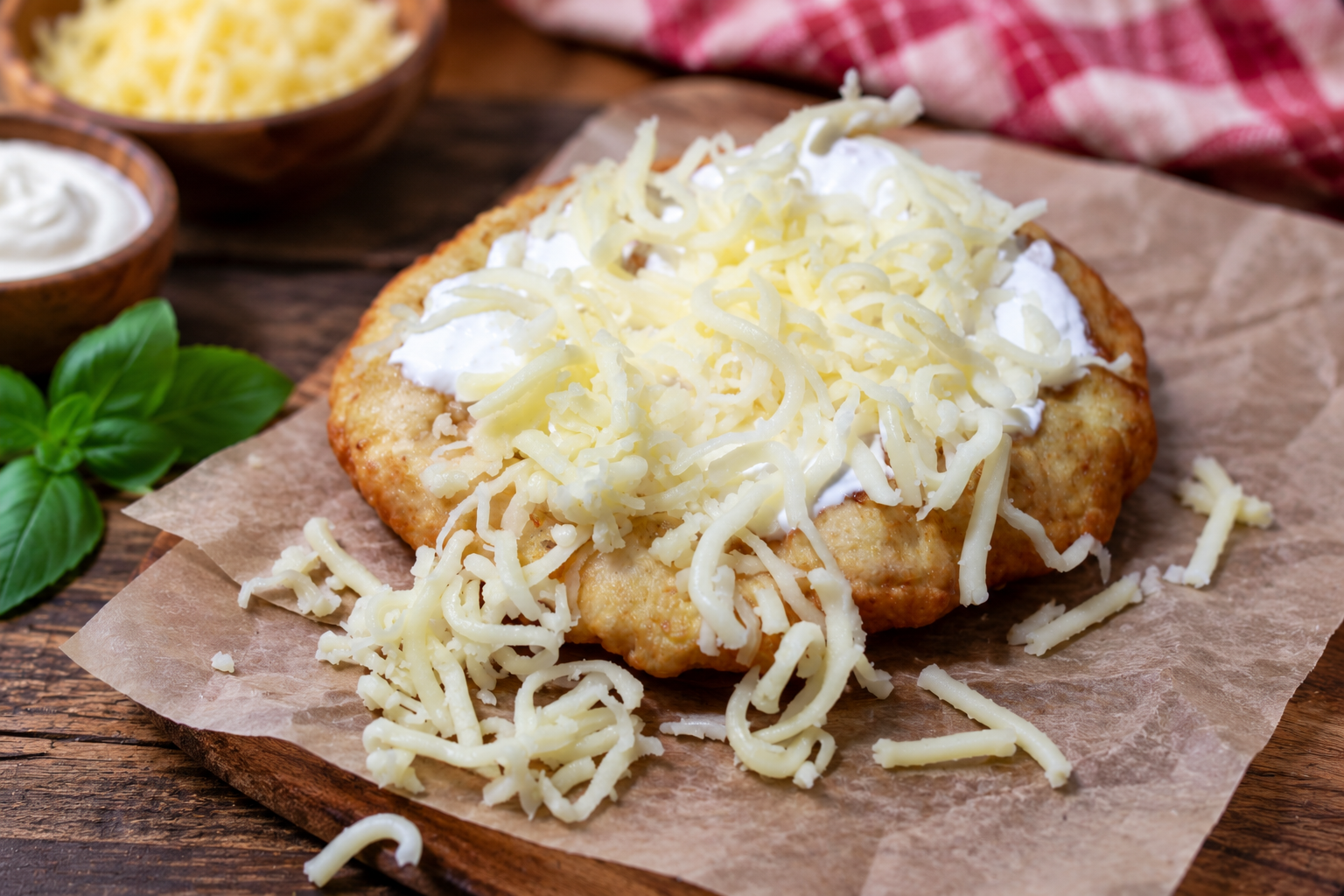
What Is Hungarian Langos?
Hungarian langos is a classic Hungarian street food made from a yeasted potato dough that is hand-stretched into rounds with thicker edges and fried until golden brown. Made with mashed potato, flour, warm milk, and yeast, this crispy-yet-chewy Hungarian fried bread takes about 2 hours from start to finish and can be served plain or loaded with savory or sweet toppings.
Jump to:
Want to Save This Recipe?
Enter your email & I'll send it to your inbox. Plus, get great new recipes from me every week!
By submitting this form, you consent to receive emails from Went Here 8 This.
Why You're Going to Love This Hungarian Langos Recipe
- Crisp, golden outside with a pillowy center: Hand-stretching the dough thinner in the middle and thicker around the rim creates that signature street-vendor crunch and chew.
- Mashed potato keeps the dough tender: Working mashed potato directly into the yeasted dough gives this homemade langos a richer flavor and softer crumb than ordinary fried dough.
- Shallow-fried with less oil: Frying in just ½ inch of oil in a large sauté pan delivers big crunch without the mess of deep-frying.
- Makes 8 generous rounds: One batch yields 8 pieces, making it ideal for family dinner, casual entertaining, or a build-your-own toppings bar.
- Endless topping possibilities: Keep it classic with garlic, sour cream, and cheese, or go wild with pulled meats, Caprese toppings, or banana and Nutella.
Ingredients
Scroll down to the recipe card for a printable version of the ingredients and instructions.
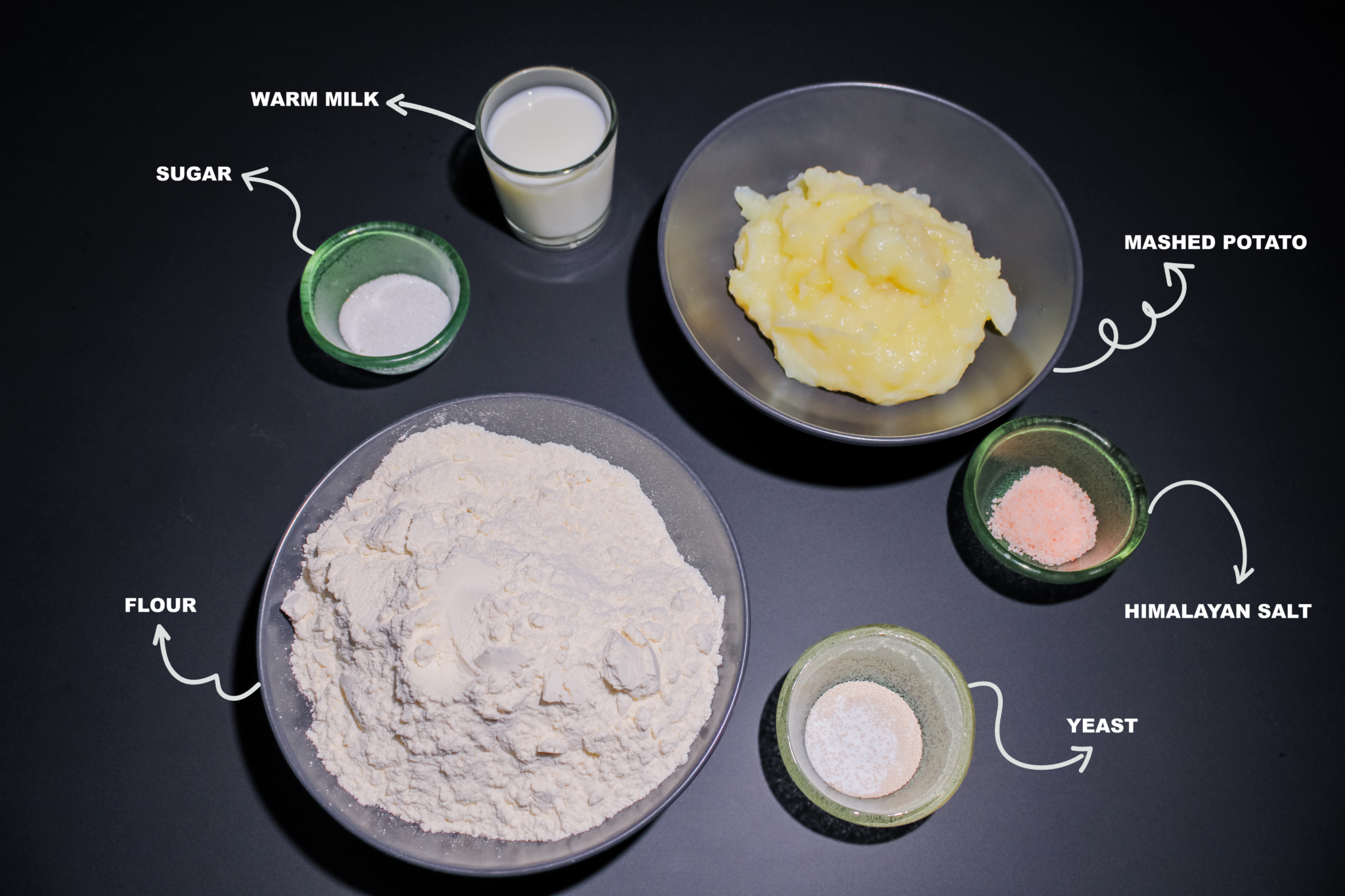
- 1 cup mashed potato
- 2 cups of flour
- ½ cup warm milk
- 2 ½ teaspoon yeast
- 1 teaspoon sugar
- 1 teaspoon Himalayan salt
A Few Ingredients Worth Knowing
- Mashed potato: Smooth, plain mashed potato is the hallmark of authentic Hungarian potato langos. Make sure it is cooled to lukewarm or room temperature before mixing so it doesn't overheat the yeast. Need a quick batch? My Creamy Mashed Potatoes work great here—just scoop out your portion before loading up the rest for dinner.
- Flour: All-purpose flour builds the gluten network needed so you can stretch each dough ball thin without tearing.
- Warm milk, yeast, and sugar: Warming the milk to 100–110°F (38–43°C) wakes up the yeast quickly, while the teaspoon of sugar feeds the yeast for a strong, airy rise.
- Himalayan salt: Seasons the dough from the inside out so even plain fried rounds taste savory and balanced.
How to Make Hungarian Langos
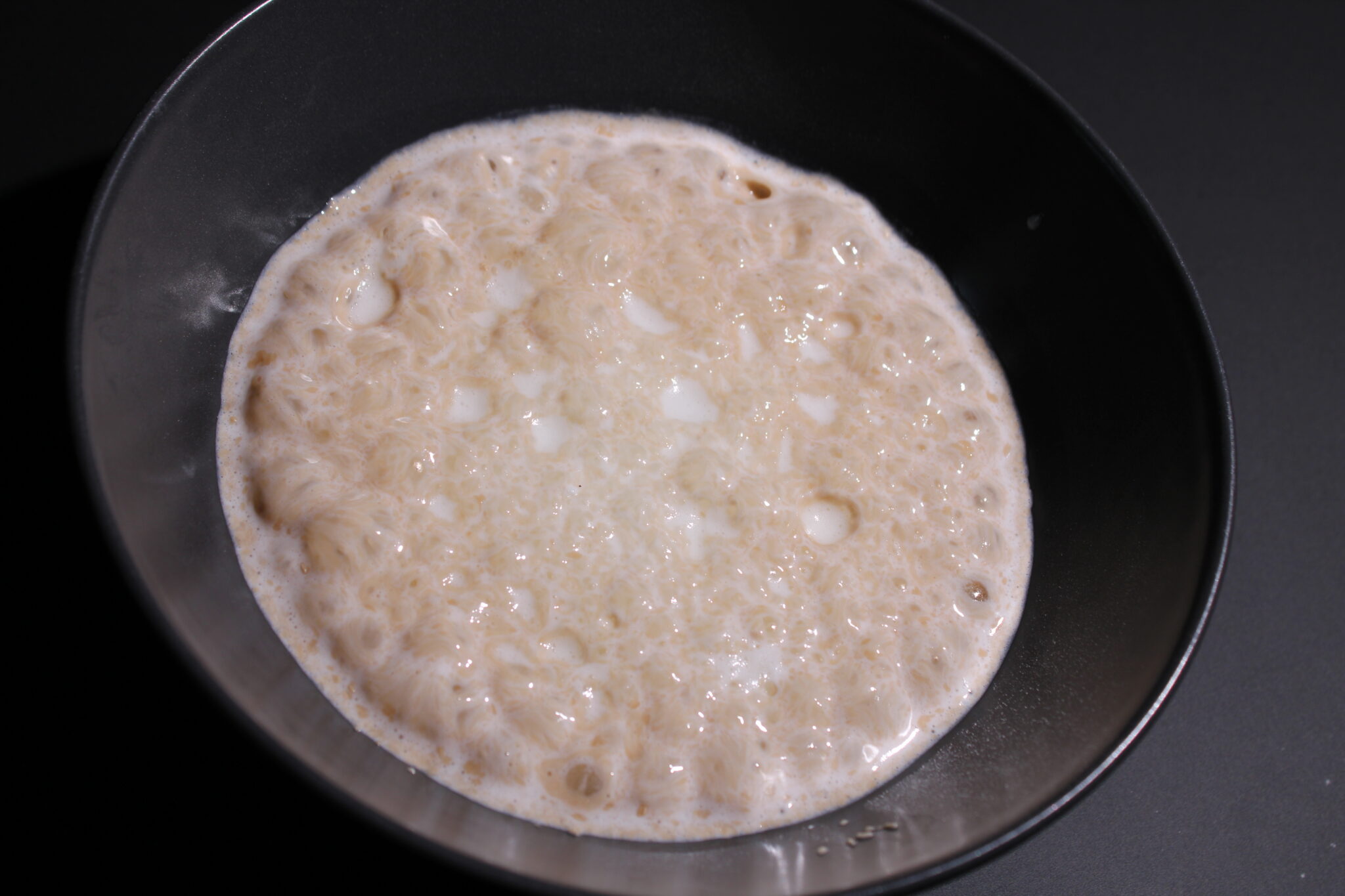
Step 1. Activate the yeast: Warm the milk in a small saucepan to 100–110°F / 38–43°C. Remove from the heat, stir in the sugar and yeast, and let it sit in a warm spot for 10–15 minutes until foamy and bubbly.
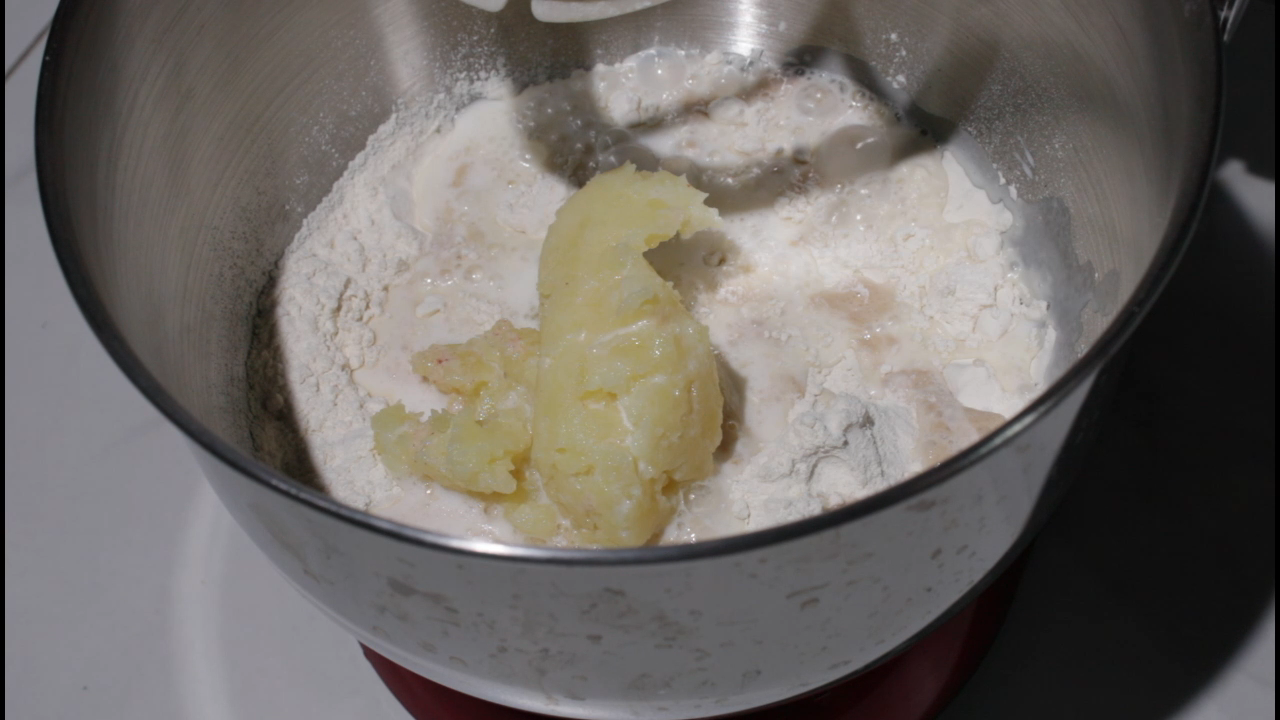
Step 2. Combine the dough ingredients: Place the flour, salt, and mashed potato in a stand mixer bowl. Pour in the foamy yeast mixture and mix for 30 seconds to 1 minute until a shaggy dough comes together.
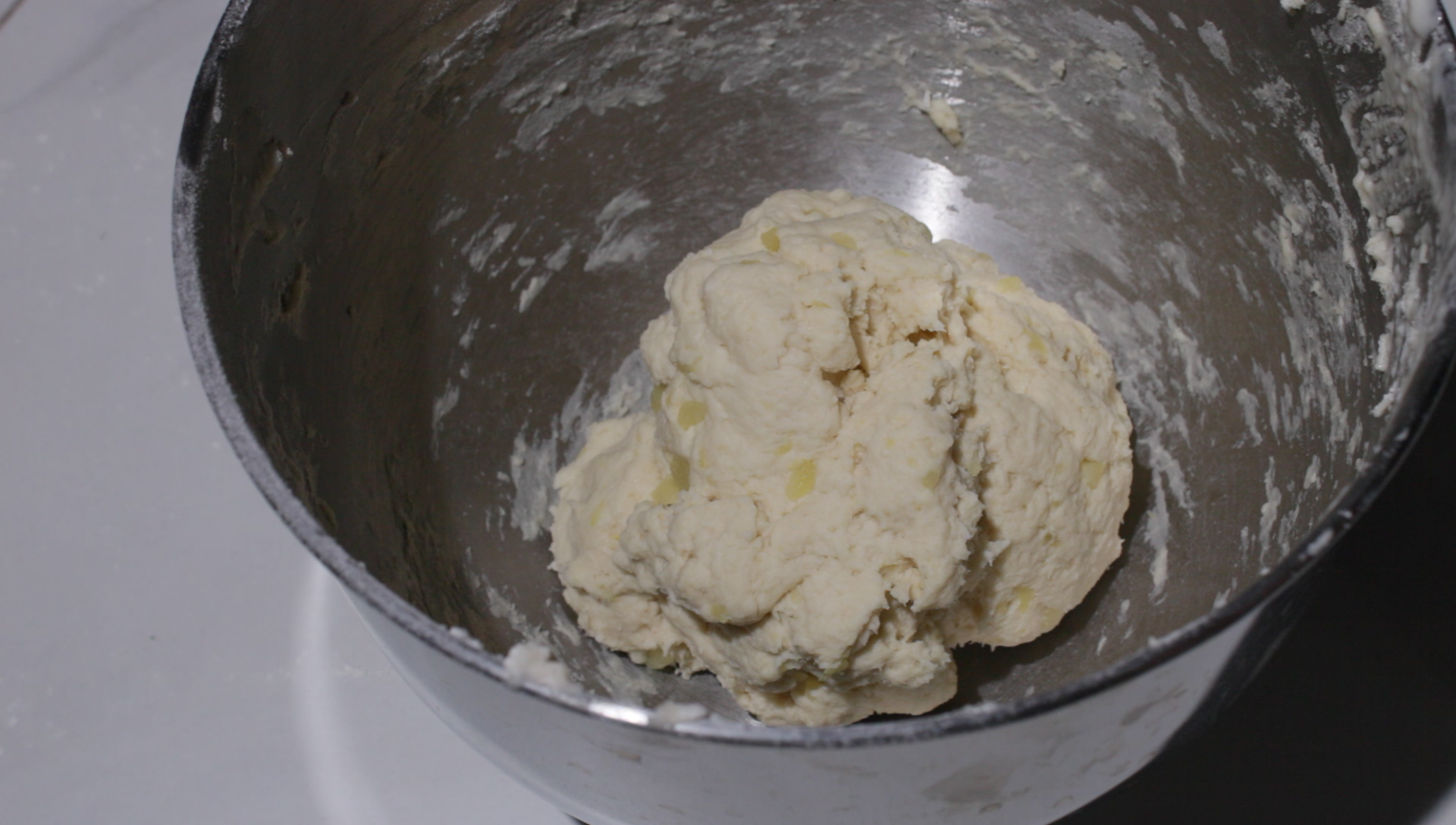
Step 3. Knead until smooth: Switch to the dough hook attachment and knead for 5–7 minutes until the dough turns smooth, elastic, and begins pulling cleanly away from the sides of the bowl.
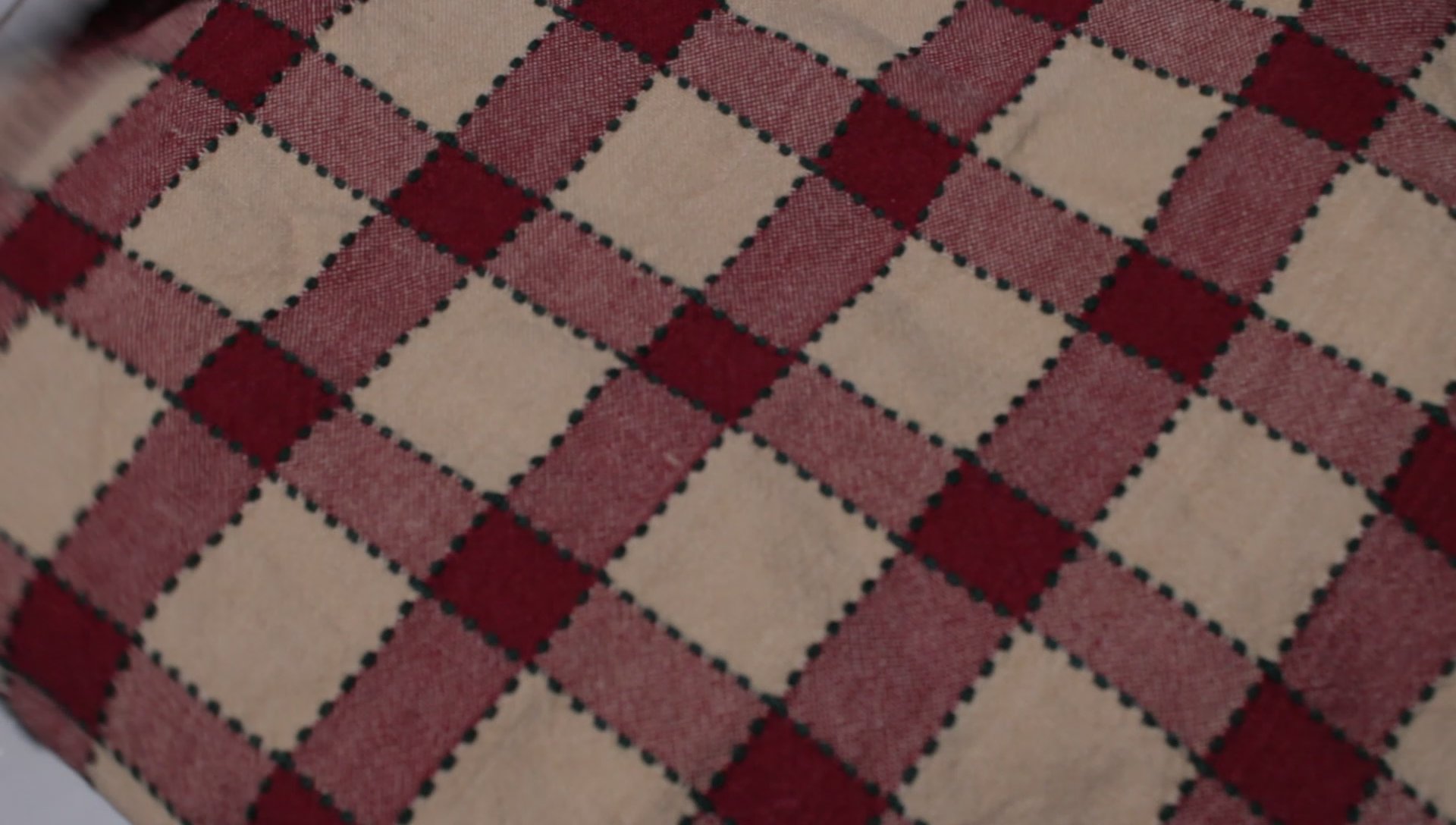
Step 4. Let the dough rise: Cover the bowl and let the dough rest in a warm, draft-free spot for 1.5 hours until doubled in size. Patience pays off here—giving the yeast time to develop creates those light, airy pockets.
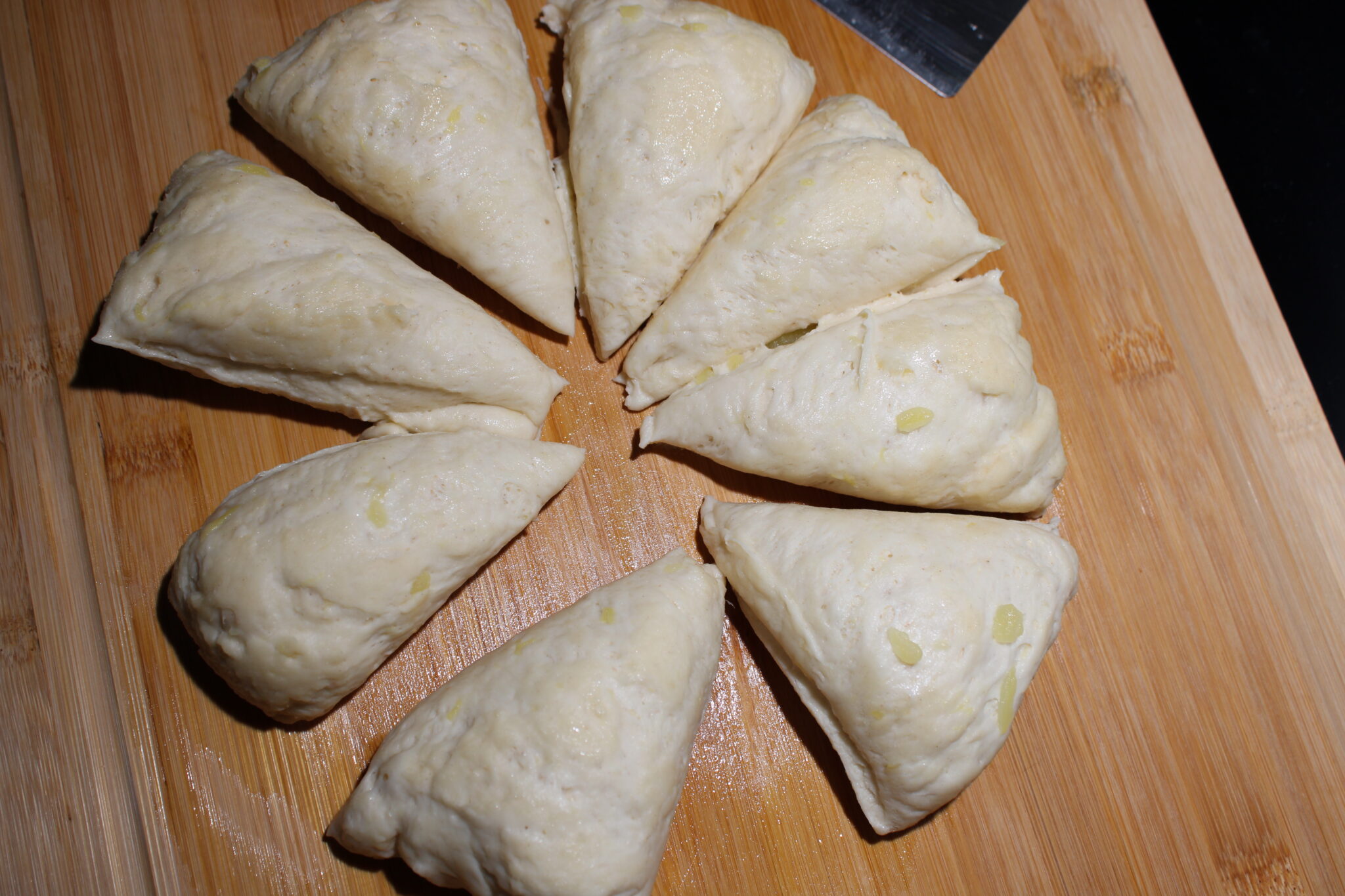
Step 5. Divide the dough: Turn the risen dough out onto a clean work surface and cut it into 8 equal portions.
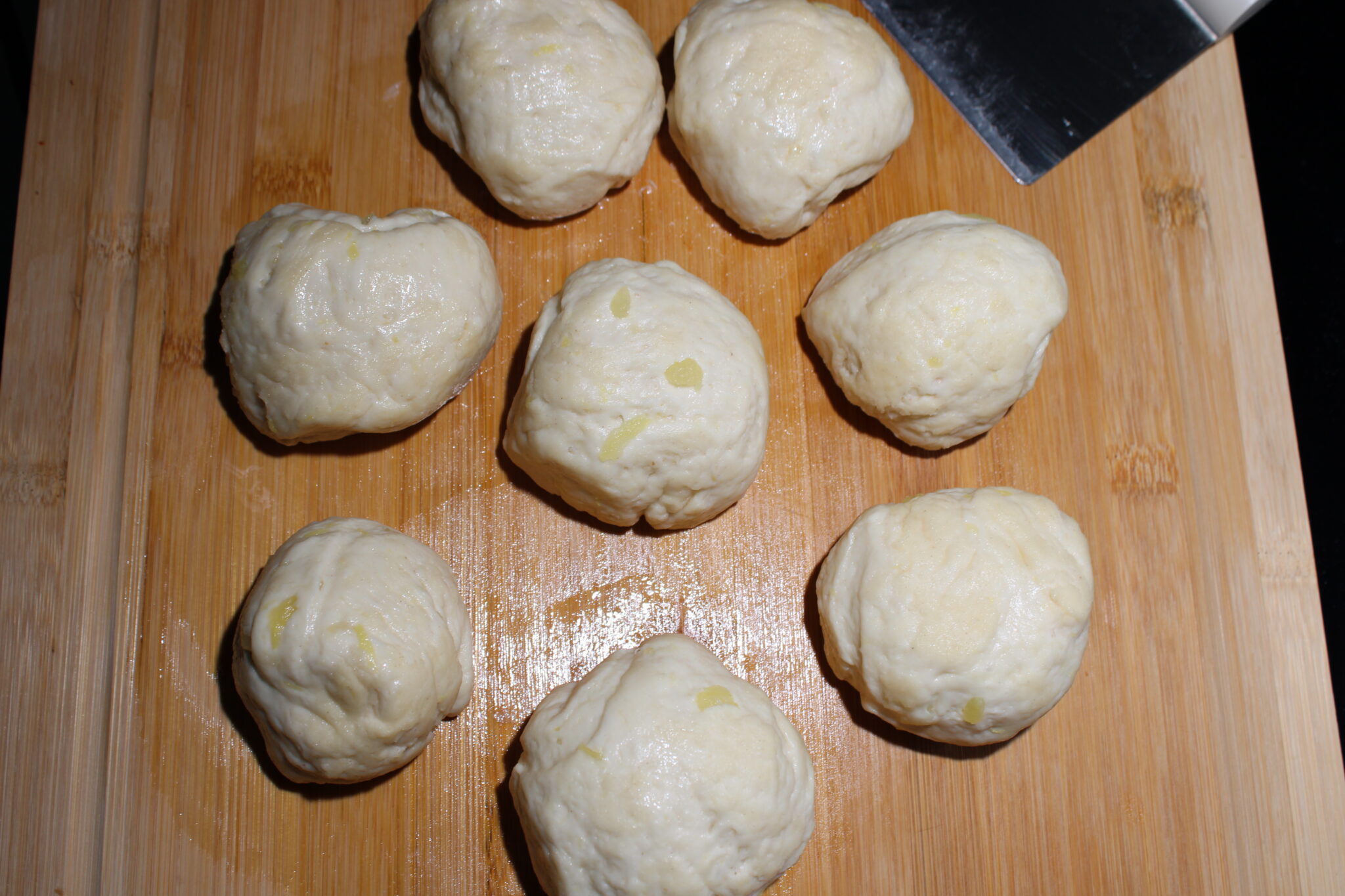
Step 6. Shape and rest again: Lightly oil your hands and shape each portion into a smooth ball or small loaf. Let them rest for 15 minutes while you heat the oil.
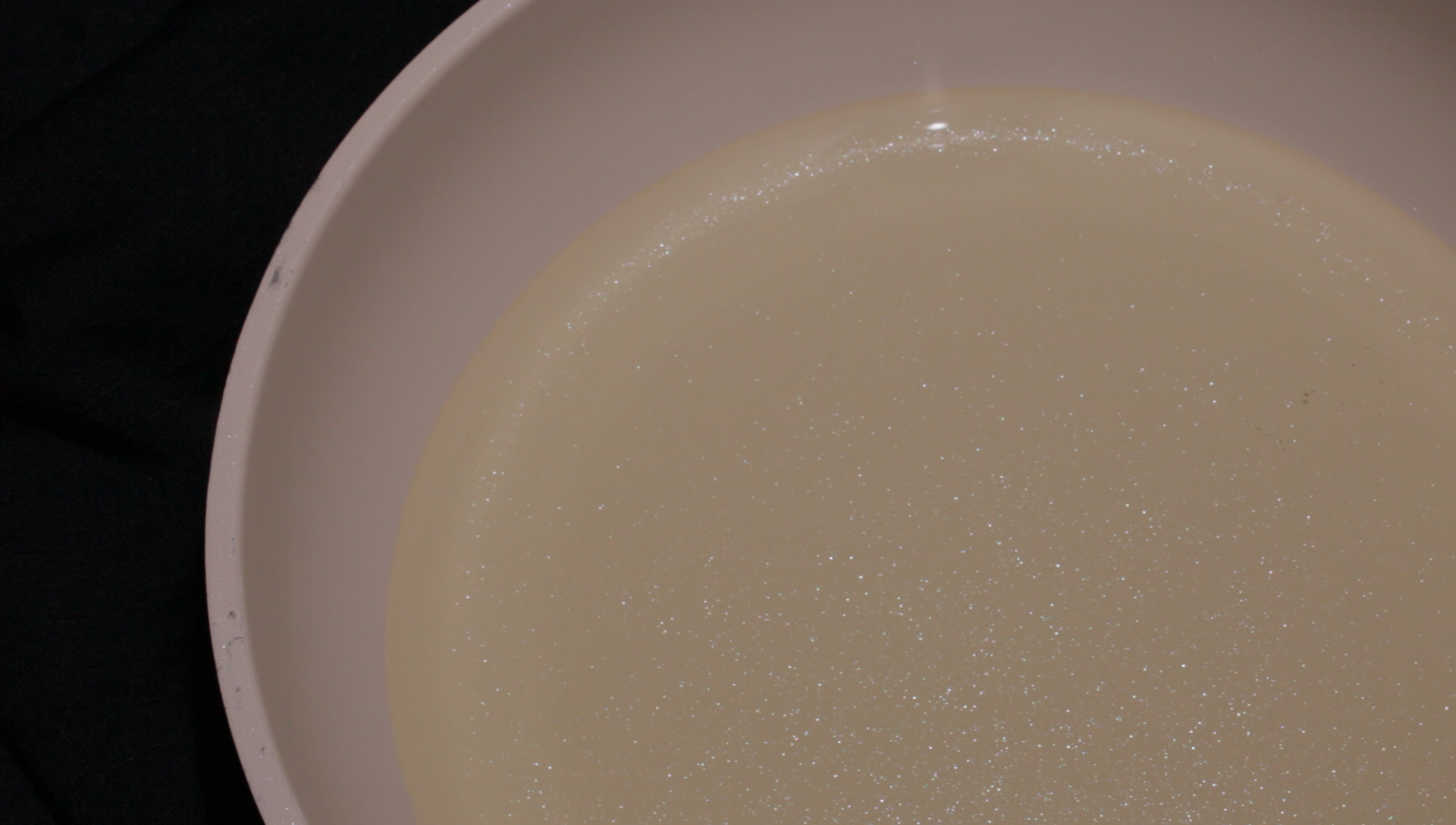
Step 7. Heat the frying oil: Pour frying oil ½ inch deep into a large sauté pan and heat it to 350°F.
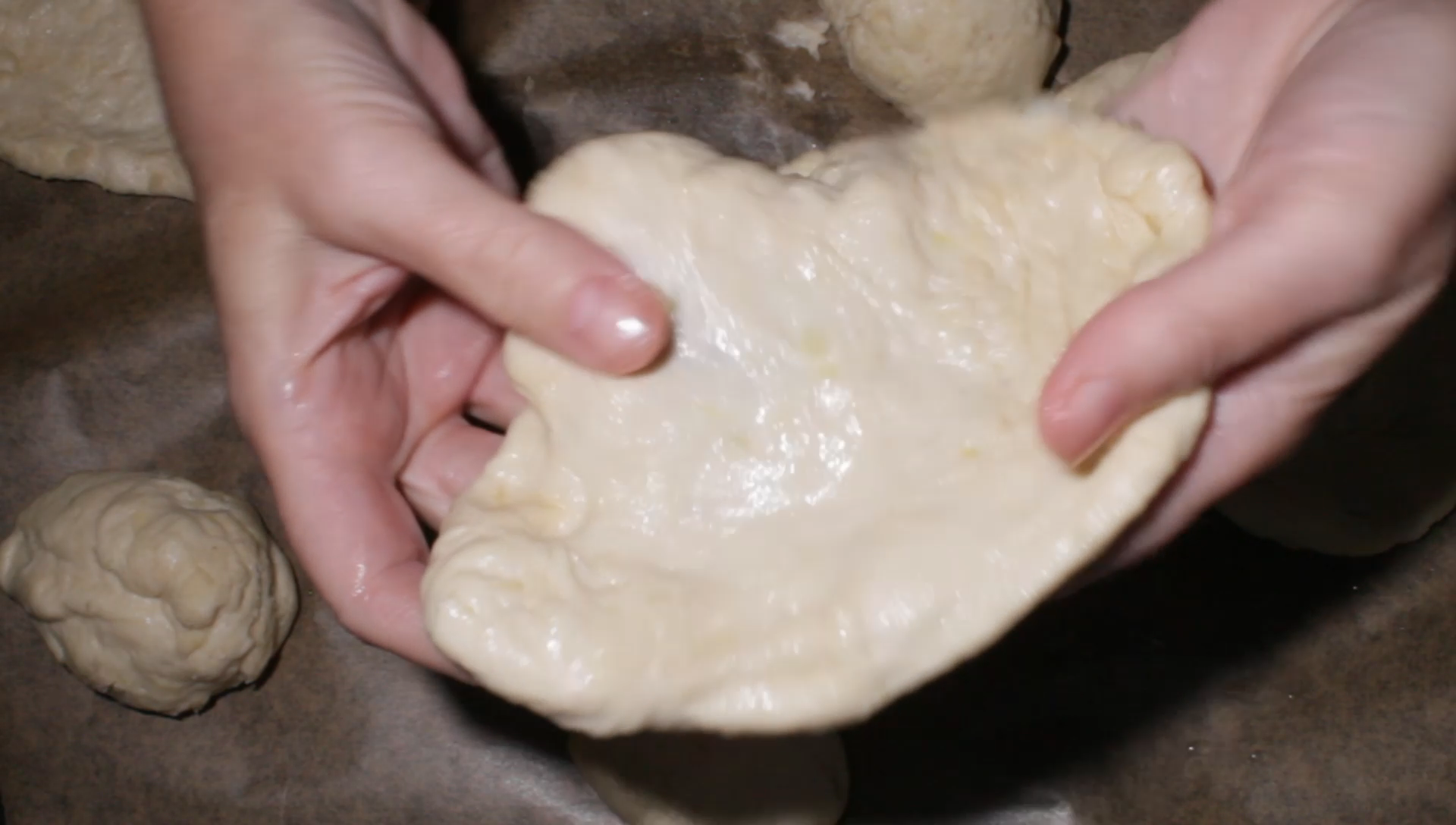
Step 8. Stretch into rounds: With lightly oiled fingers so the dough doesn't stick, gently stretch each portion into a round, keeping the center thinner and leaving the outer edges slightly thicker.
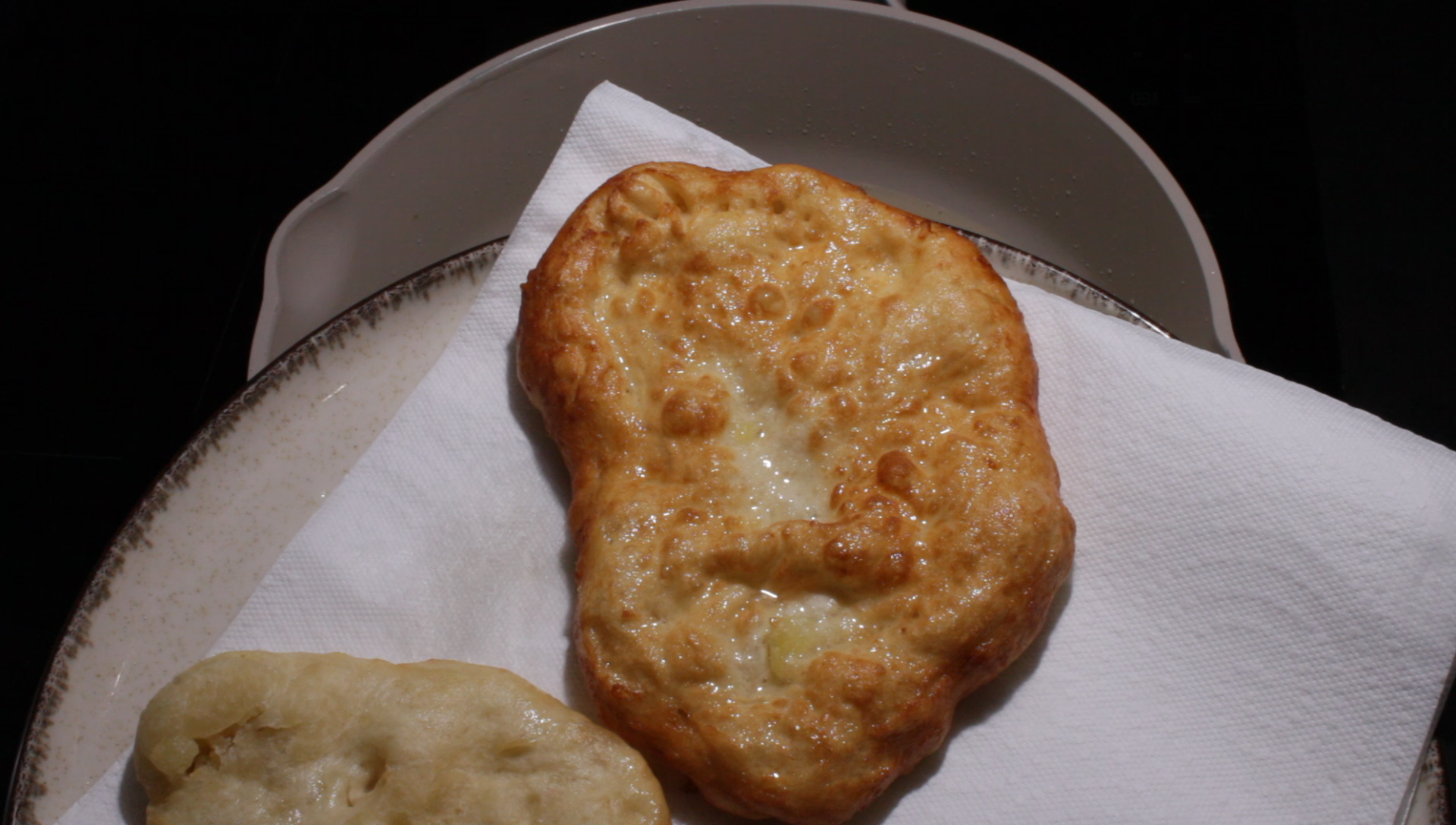
Step 9. Fry until golden brown: Carefully lay the stretched dough into the 350°F oil and fry on both sides until puffed, blistered, and deep golden brown. Transfer to a paper towel-lined plate to drain.

Step 10. Top and serve hot: Serve your Hungarian flatbread plain while piping hot, or pile on your favorite toppings. For a gourmet twist, I love layering slices of my Sous Vide Duck Breast with Orange Glaze right on top!

Pro Tips and Mistakes to Avoid
- Check the milk temperature before adding yeast: Warm the milk to 100–110°F (38–43°C). Milk that is too hot will kill the yeast, while cold milk won't wake it up within the 10–15 minute activation window.
- Knead until the bowl cleans itself: Stop kneading once the dough looks smooth, feels elastic, and pulls away from the sides of the mixer bowl (5–7 minutes). Over-kneading can make the fried bread tough.
- Don't rush either rise: Give the dough the full 1.5 hours covered to double in size, plus the 15-minute rest after shaping so the gluten relaxes and stretches easily without snapping back.
- Use oiled hands instead of extra flour: Potato dough can feel slightly tacky. Lightly oiling your hands and fingers prevents sticking without adding dry flour that could scorch in your frying oil.
- Keep the center thinner than the edges: Gently press from the middle outward so the rim stays puffed and chewy while the center crisps up. Don't stress over perfect circles—lángos is rustic street food!
- Hold the oil steady at 350°F: If the oil drops below 350°F, the dough absorbs extra grease instead of puffing immediately; if it gets too hot, the outside browns before the thick rim cooks through.
Variations and Substitutions
Stick closely to the dough measurements for the best texture, then treat the warm, crispy bread as your canvas for langos toppings:
- Classic Hungarian (Sajtos-Tejfölös): Brush the hot fried bread with crushed garlic mixed with a splash of water or oil, then slather on cool sour cream and a generous handful of shredded Mozzarella cheese.
- Bacon, Onion, and Garlic: Top with garlicky sour cream, crispy crumbled bacon, and thinly sliced red or green onions for a hearty pub-style bite.
- Fresh Caprese Langos: Layer ripe diced tomatoes, fresh basil leaves, and shredded or fresh mozzarella over the warm crust for a bright, summery twist.
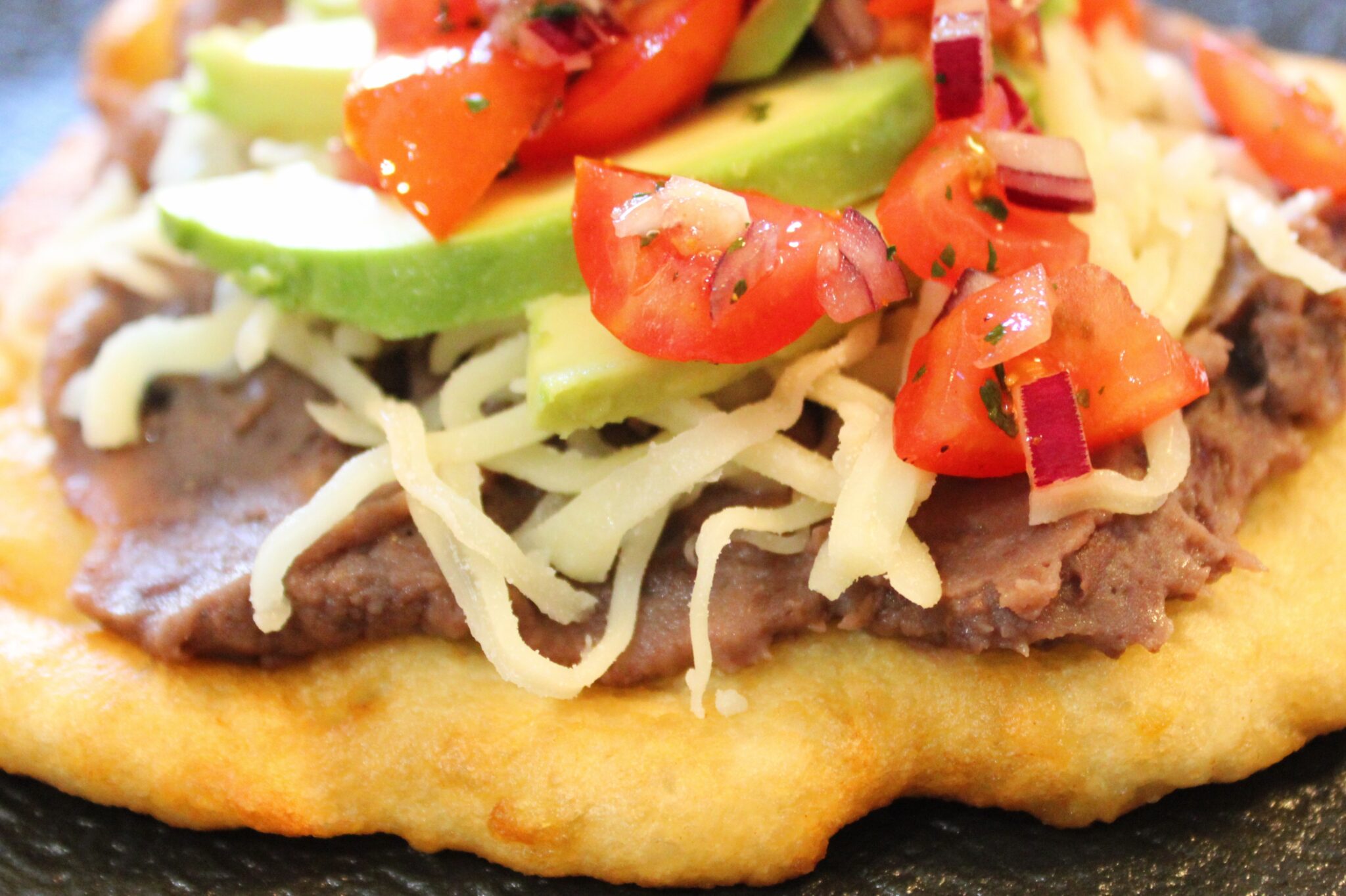
- Mexican-Inspired Langos: My husband loves piling warm refried beans, shredded cheese, diced tomatoes, creamy avocado, and salsa onto his lángos—a fun fusion of Hungary and flavors from home.
- Sweet Dessert Langos: Skip the garlic and top freshly fried rounds with Nutella and sliced bananas, cinnamon sugar, or warm fruit jam for breakfast or dessert.
What to Serve With Hungarian Langos
While loaded lángos easily stands on its own as a meal, plain or garlic-brushed rounds are also fantastic alongside rich Central European mains—or followed by a classic Hungarian sweet:

- Hearty Goulash or Paprikash: Use warm pieces of Hungarian fried bread to soak up every drop of sauce from my Authentic German Goulash Recipe or creamy Instant Pot Chicken Paprika Recipe.
- Schnitzel or Stroganoff Night: Serve lángos on the side with German Paprika Schnitzel With Spicy Paprika Sauce or Instant Pot Ground Beef Stroganoff for an ultra-comforting dinner spread.

Finish With a Hungarian Sweet: Going all-in on Hungarian street food? Pair your savory lángos feast with my Hungarian Chimney Cake Recipe for dessert.
Frequently Asked Questions
Hungarian langos is a traditional Hungarian street-food fried bread made from a yeasted mashed potato dough. The dough is divided into portions, hand-stretched into rounds with thicker rims, and fried in hot oil until golden and crisp.
Mashed potato adds moisture, tenderness, and subtle richness to the dough, giving Hungarian potato langos its signature soft, pillowy interior beneath a crisp golden crust.
The dough is divided into 8 equal portions, so this langos recipe yields 8 individual fried flatbreads.
Yes! Freshly fried Hungarian fried bread is delicious served warm and plain alongside soups and stews, or brushed simply with garlic water before adding sour cream and shredded cheese.
Storage, Reheating, and Make-Ahead Tips
- Storage: Homemade langos is at its absolute peak right out of the pan while crisp and warm. Store any plain leftovers in an airtight container at room temperature or in the refrigerator for 1–2 days (keep toppings separate so the bread doesn't get soggy).
- Reheating: Leftover lángos firms up overnight. Enjoy it at room temperature or warm a plain piece in the microwave for 10–15 seconds just until soft and heated through, then add your toppings.
- Make-Ahead: This potato yeast dough is not meant to be refrigerated or made ahead. Mix, let it rise for 1.5 hours, shape, and fry fresh for the best puff and texture.
There is something deeply satisfying about turning a handful of pantry staples and leftover mashed potatoes into golden, blistered Hungarian langos right in your own kitchen. Once you pull that first crisp round from the pan and pile on the sour cream and cheese, you’ll see why this beloved street food is pure magic.
Did you make this Hungarian langos recipe? Please rate it and leave a comment below—I’d love to hear which toppings you piled onto yours!
Recipe

Hungarian Lángos
Ingredients
- 1 cup mashed potato
- 2 cups bread flour
- ½ cup milk
- 2 ½ teaspoon yeast
- 1 teaspoon white sugar
- 1 teaspoon himalayan salt
Instructions
- Warm milk in a small saucepan to 100–110°F / 38–43°C, then remove from the heat and add the sugar and yeast. Store in a warm place until the yeast activates, about 10- 15 minutes.
- Place the flour and salt in a stand mixer bowl and add the yeast mixture, then mix for 30 seconds to 1 minute, until combined.
- Once combined, switch to the dough hook attachment and knead for 5 - 7 minutes.
- Once the mixture is smooth, elastic, and starts pulling away from the sides of the bowl. Stop kneading. Cover the dough and let it rest for 1.5 hours, until it doubles in size.
- Transfer the dough to a clean surface. Cut the dough into 8 portions.
- With lightly oiled hands, shape the 8 dough balls into small loaves. Let them rise for an additional 15 minutes while the oil heats.
- In a large sauté pan. Add frying oil ½” deep. Heat the oil to 350°F.
- Stretch the loaves with your hands (use oiled fingers to help them stick), keeping them round, with edges thicker than the center.
- Fry on both sides in hot oil until golden. Place on paper towels to drain and serve plain or with a topping of your choice.
- Add your favorite toppings.
Expert Tips:
- Check Milk Temperature: Warm milk to 100–110°F (38–43°C) so the yeast blooms properly in 10–15 minutes without overheating.
- Use Cool Mashed Potatoes: Make sure your 1 cup of mashed potato is lukewarm or room temperature before adding it to the mixer so it doesn't kill the yeast.
- Oil Your Hands, Not the Counter: Lightly oil your fingers when shaping and stretching the dough into rounds with thinner centers and thicker edges.
- Keep Oil at 350°F: Maintaining 350°F ensures the dough puffs immediately without soaking up excess oil.



Comments
No Comments