
As I’ve been living in Hungary for a while now and love this Hungarian Langos recipe, I still get intoxicated when I catch the smell of that golden dough frying in hot oil. That lovely, irresistible smell has a way of getting your attention—and suddenly you’re craving lángos!
This Hungarian langos recipe makes wonderfully crisp, golden fried bread with a soft, tender center and plenty of room for all your favorite toppings. And the best part? I don’t deep-fry my lángos like the street vendors do. I fry it on the stovetop with just a little oil, so you get that deliciously crispy exterior while using less oil.
Lángos is classic Hungarian street food, and this homemade version is such a fun one to make at home. The dough gets its distinctive texture from mashed potato, yeast, flour, and milk, then it’s stretched by hand before being fried until beautifully golden. It’s crispy, fluffy, and absolutely perfect for loading up with your favorite langos toppings.
And if you're already dreaming about Hungarian food, check out my Exploring Budapest Through Food: A Food Lover's Guide to Hungary's Capital for even more Hungarian food inspiration.
Jump to:
- What Is a Hungarian langos Recipe?
- Why You're Going to Love This Recipe
- Ingredients
- How to Make Hungarian Langos
- How to Get the Best Texture
- A Few Things That Can Go Wrong
- Variations and Substitutions
- What to Serve With Hungarian Langos
- Expert Tips
- Frequently Asked Questions
- Storage / Reheating / Make-Ahead
- Recipe
- 💬 Comments
What Is a Hungarian langos Recipe?
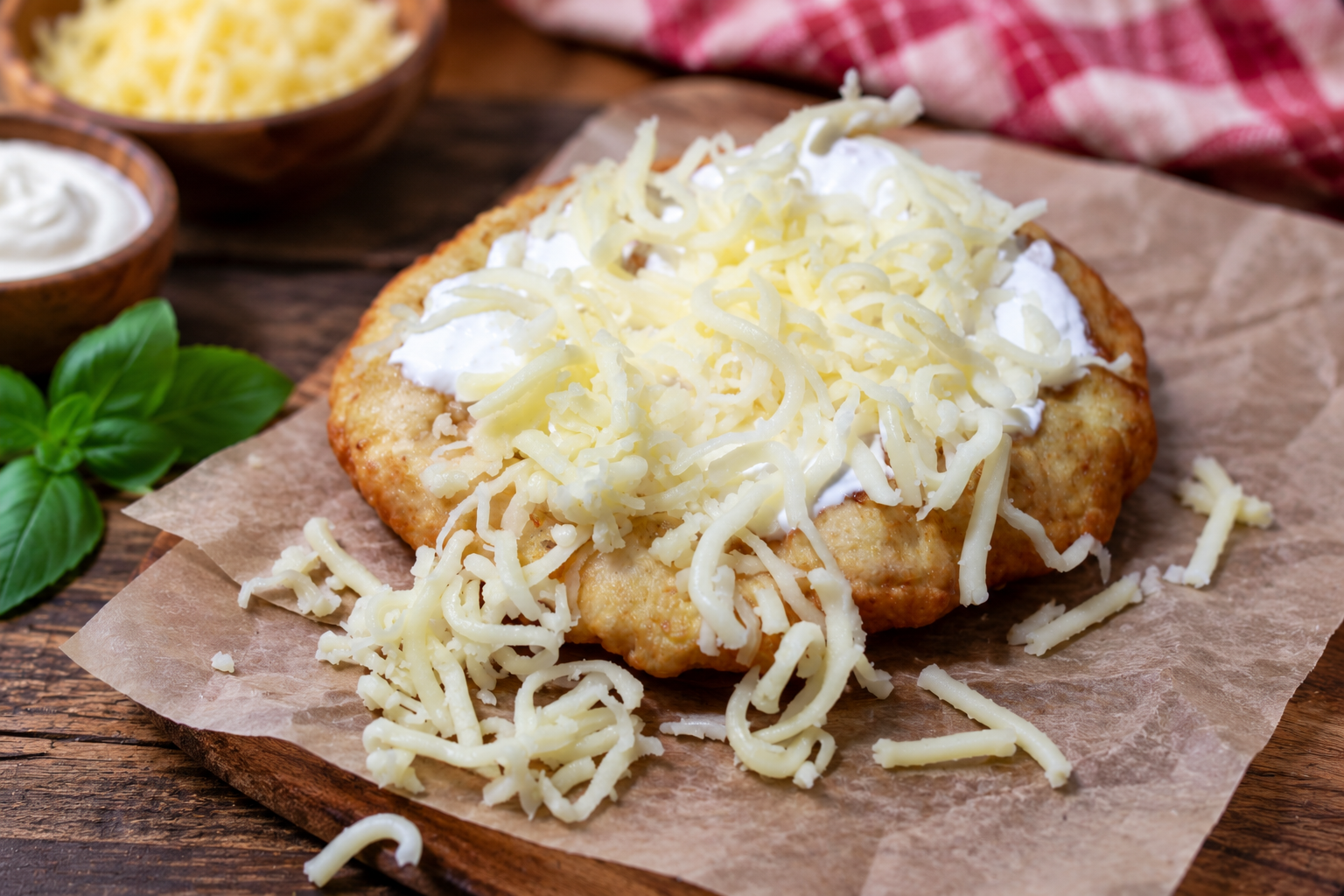
A Hungarian langos recipe is a recipe for a traditional Hungarian fried bread made with a yeasted dough that includes mashed potato. The dough is divided into portions, stretched into rounds with thicker edges, and fried until golden. This Hungarian fried bread can be served plain or finished with your favorite langos toppings.
Want to Save This Recipe?
Enter your email & I'll send it to your inbox. Plus, get great new recipes from me every week!
By submitting this form, you consent to receive emails from Went Here 8 This.
Why You're Going to Love This Recipe
- Crispy outside, soft inside. Frying the stretched dough creates that irresistible contrast between golden exterior and tender center.
- Mashed potato adds something special. Potato is part of the dough itself, making this a delicious twist on ordinary fried bread.
- It's hands-on and fun. Stretching the dough into rounds is part of the experience.
- Eight portions means plenty to share. This recipe divides the dough into 8 pieces, making it perfect for serving a group.
- The toppings are completely flexible. Serve your homemade langos plain or add your favorite toppings.
Ingredients
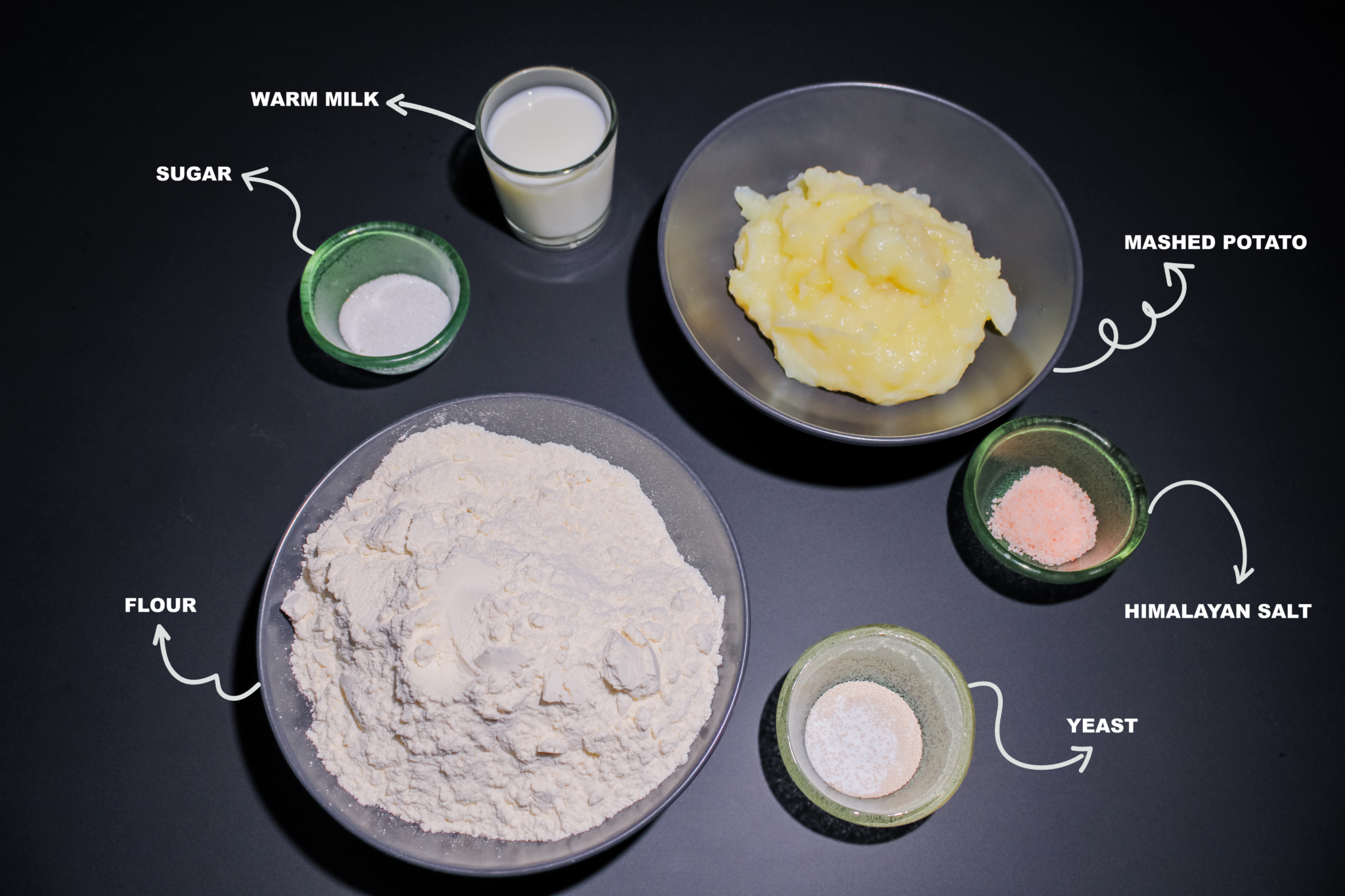
- 1 cup mashed potato
- 2 cups of flour
- ½ cup milk warm milk
- 2 ½ teaspoon yeast
- 1 teaspoon sugar
- 1 teaspoon Himalayan salt
Scroll down to the recipe card for a printable version of the ingredients and instructions.
Key Ingredients
- Mashed potato: This is what gives this Hungarian potato langos its distinctive dough. It's not simply a basic flour-and-yeast dough; mashed potato is worked right into the recipe.
- Flour: Flour provides the structure for the dough and gives the langos enough strength to be shaped and stretched.
- Milk: The milk is warmed to 100–110°F / 38–43°C before the yeast and sugar are added.
- Yeast and sugar: These work together while the yeast activates, helping create the dough that will rest and double in size.
- Himalayan salt: Salt seasons the dough and rounds out the flavor of this traditional-style fried bread.
If you have extra mashed potatoes on hand and want another way to put them to work, my Creamy Mashed Potatoes are another great potato recipe to have in your back pocket.
How to Make Hungarian Langos
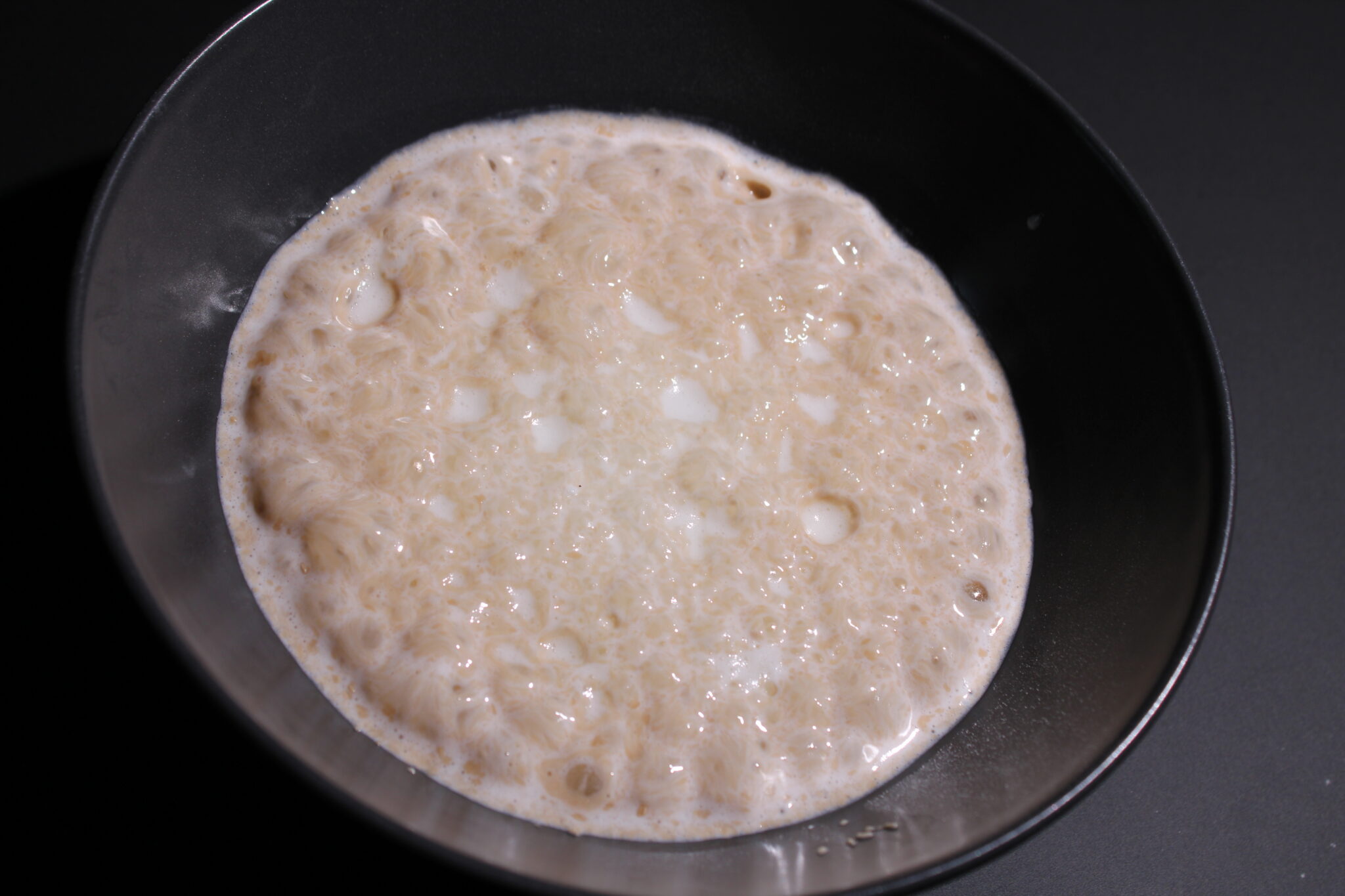
Step 1. Activate the yeast by warming the milk in a small saucepan to 100–110°F / 38–43°C. Remove it from the heat, then add the sugar and yeast.
Store it in a warm place until the yeast activates, about 10–15 minutes.
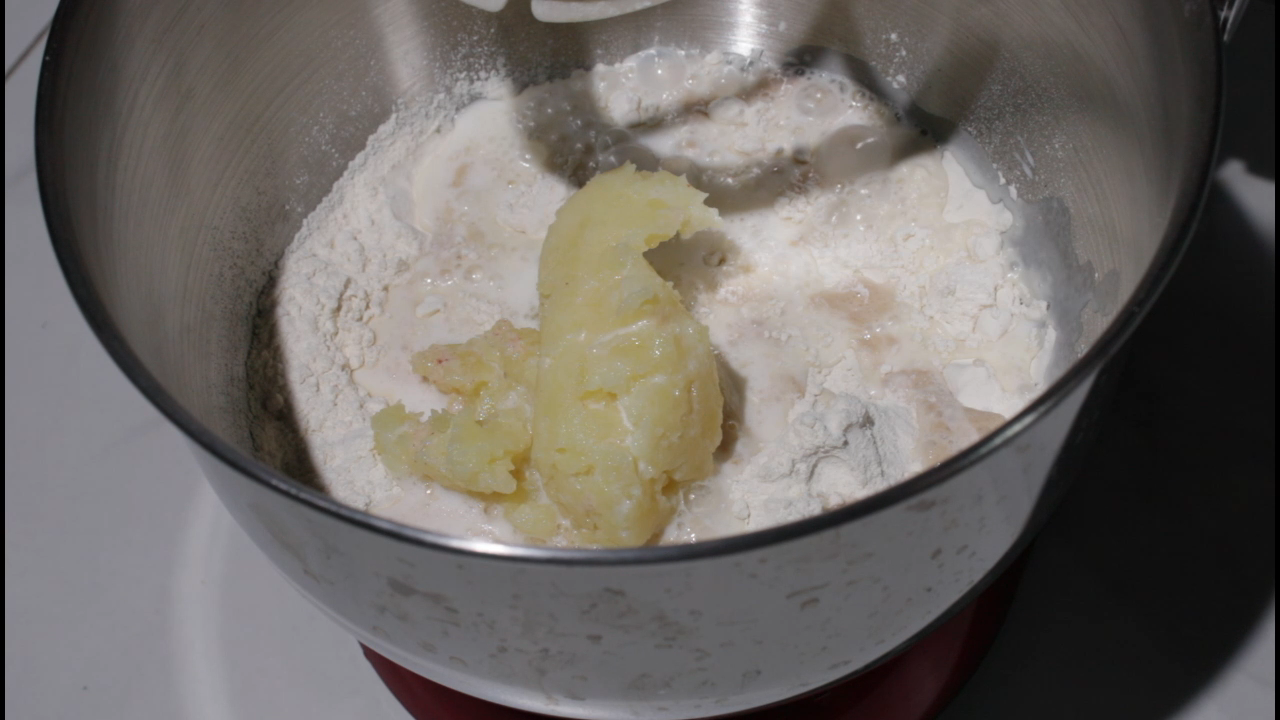
Step 2. Place the flour and salt in a stand mixer bowl. Add the yeast mixture and mix for 30 seconds to 1 minute, until combined.
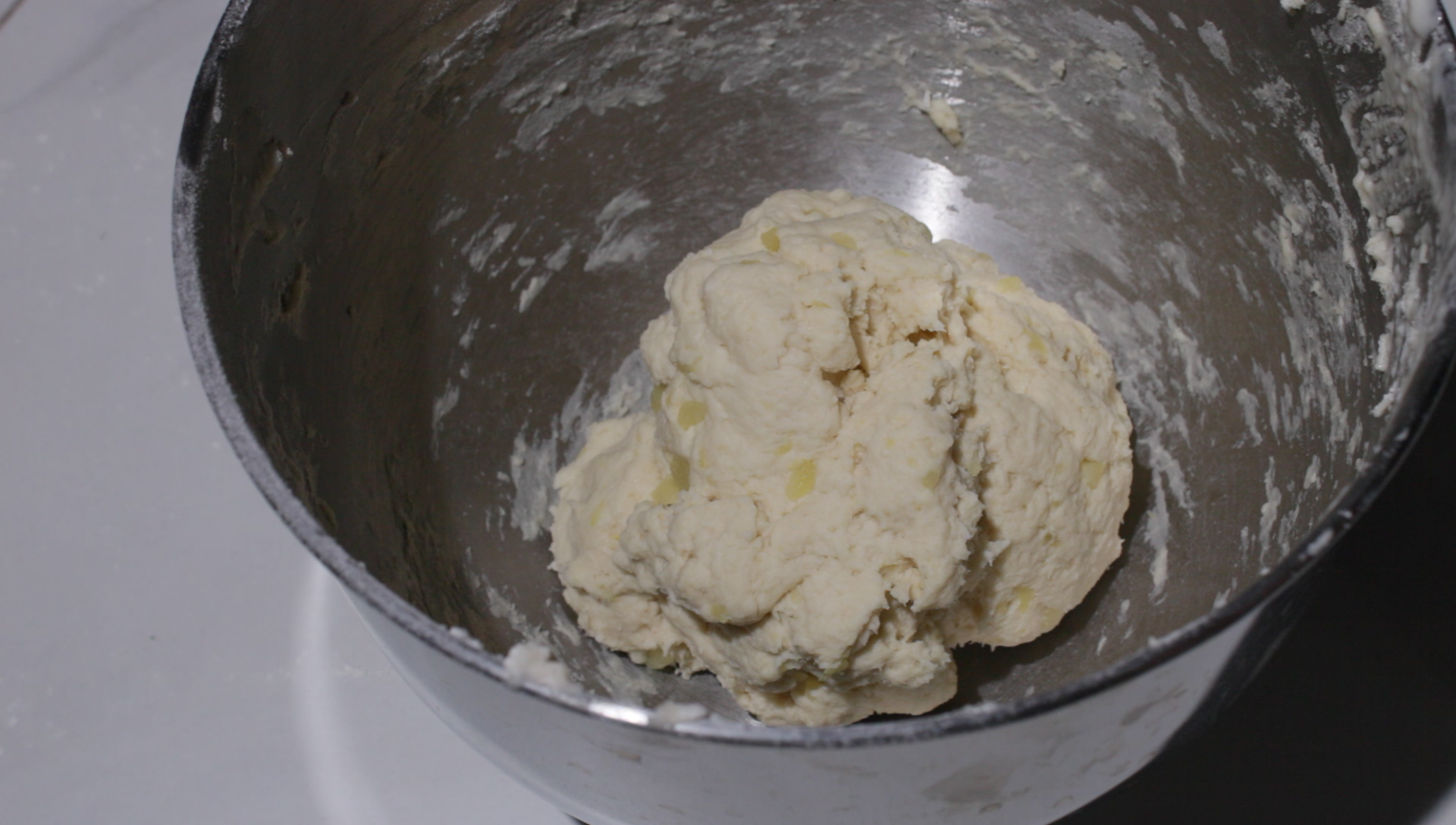
Step 3. Switch to the dough hook attachment and knead for 5–7 minutes.
You’re looking for a dough that becomes smooth and elastic.
Step 4. Once the mixture is smooth, elastic, and starts pulling away from the sides of the bowl, stop kneading.
Cover the dough and let it rest for 1.5 hours, until it doubles in size.
This is the part where patience pays off. Give the dough its time to do its thing!
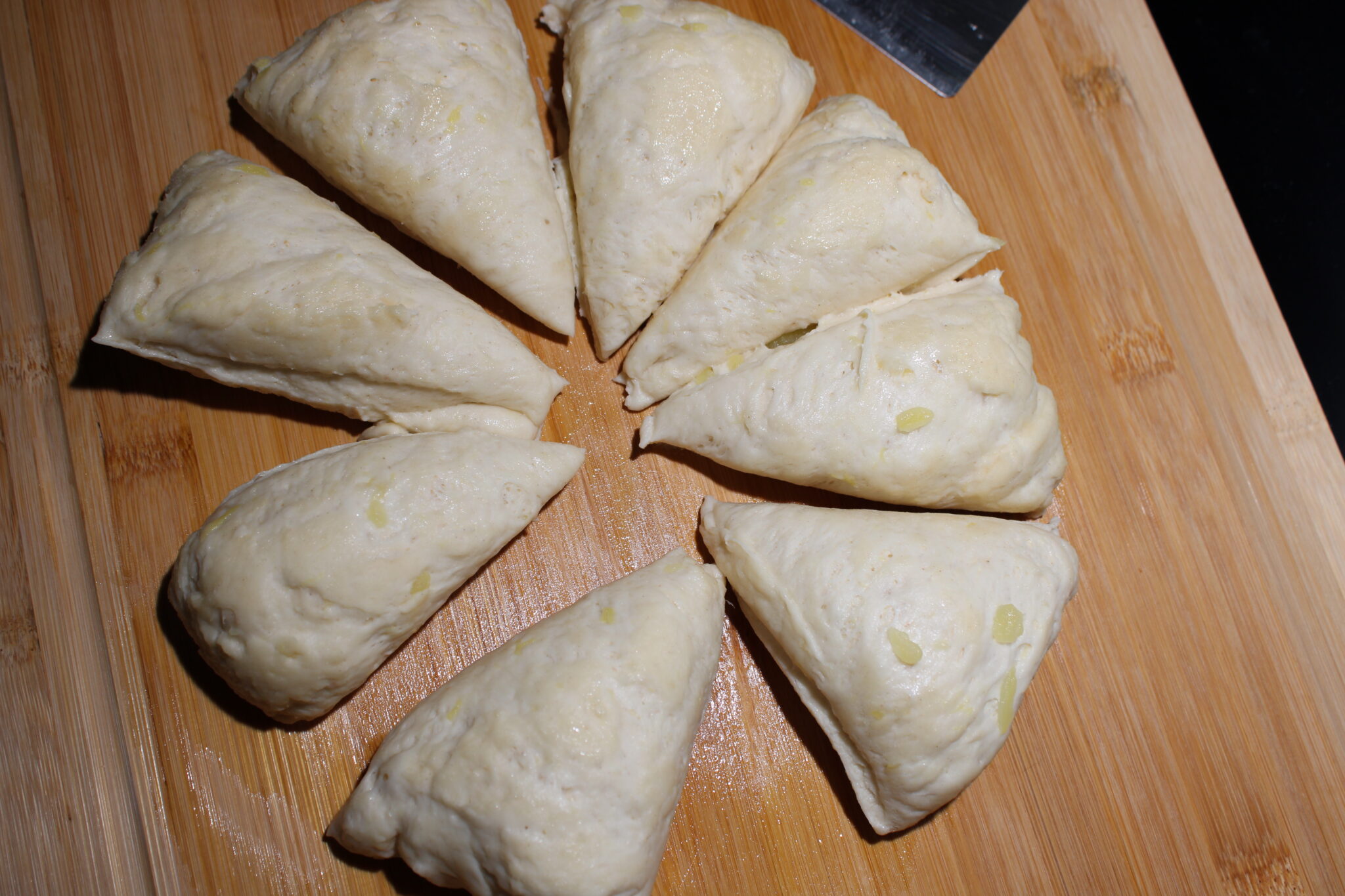
Step 5. Transfer the dough to a clean surface and cut it into 8 portions.
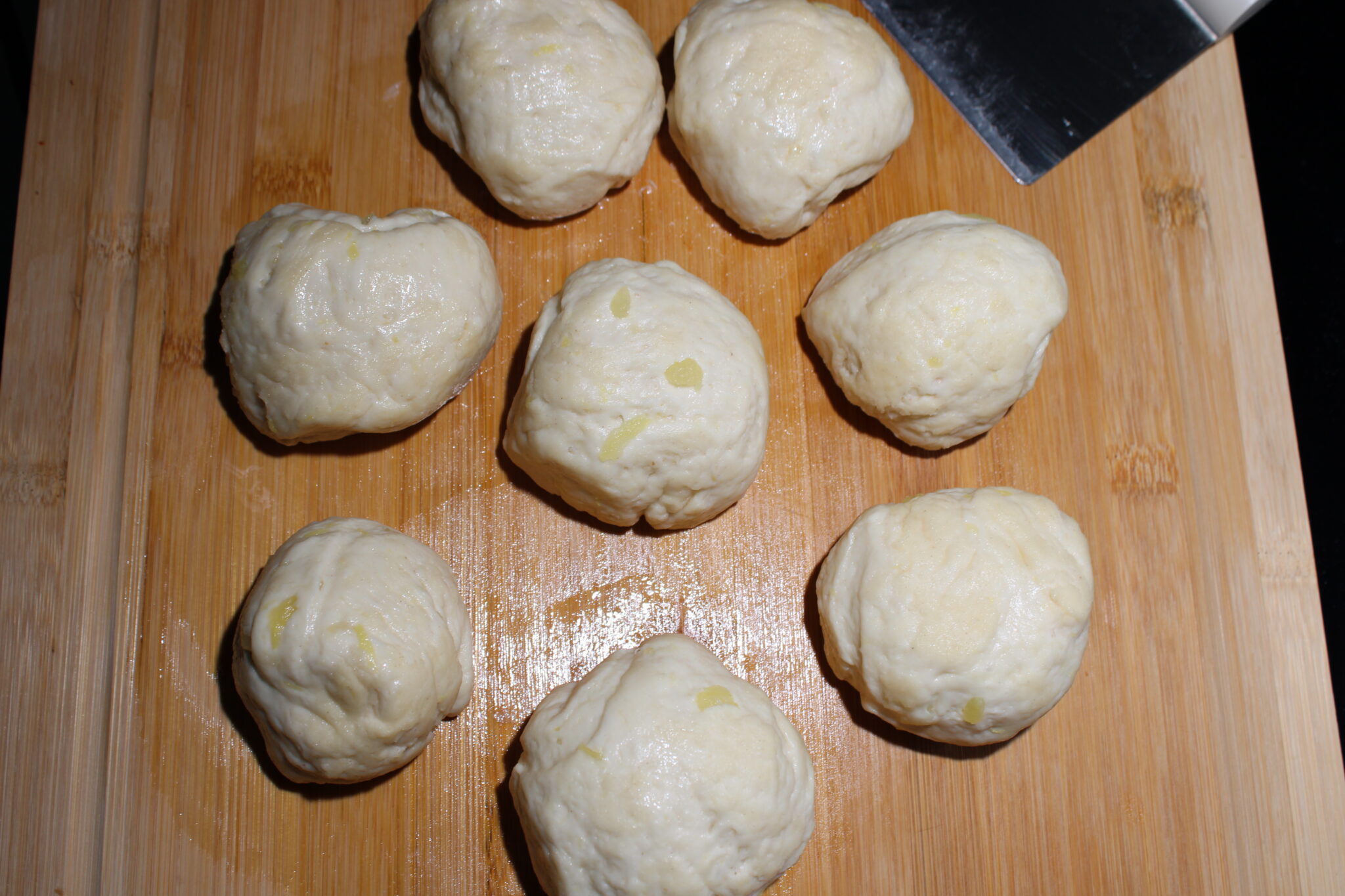
Step 6. With lightly oiled hands, shape the 8 dough balls into small loaves.
Let them rise for an additional 15 minutes while the oil heats.
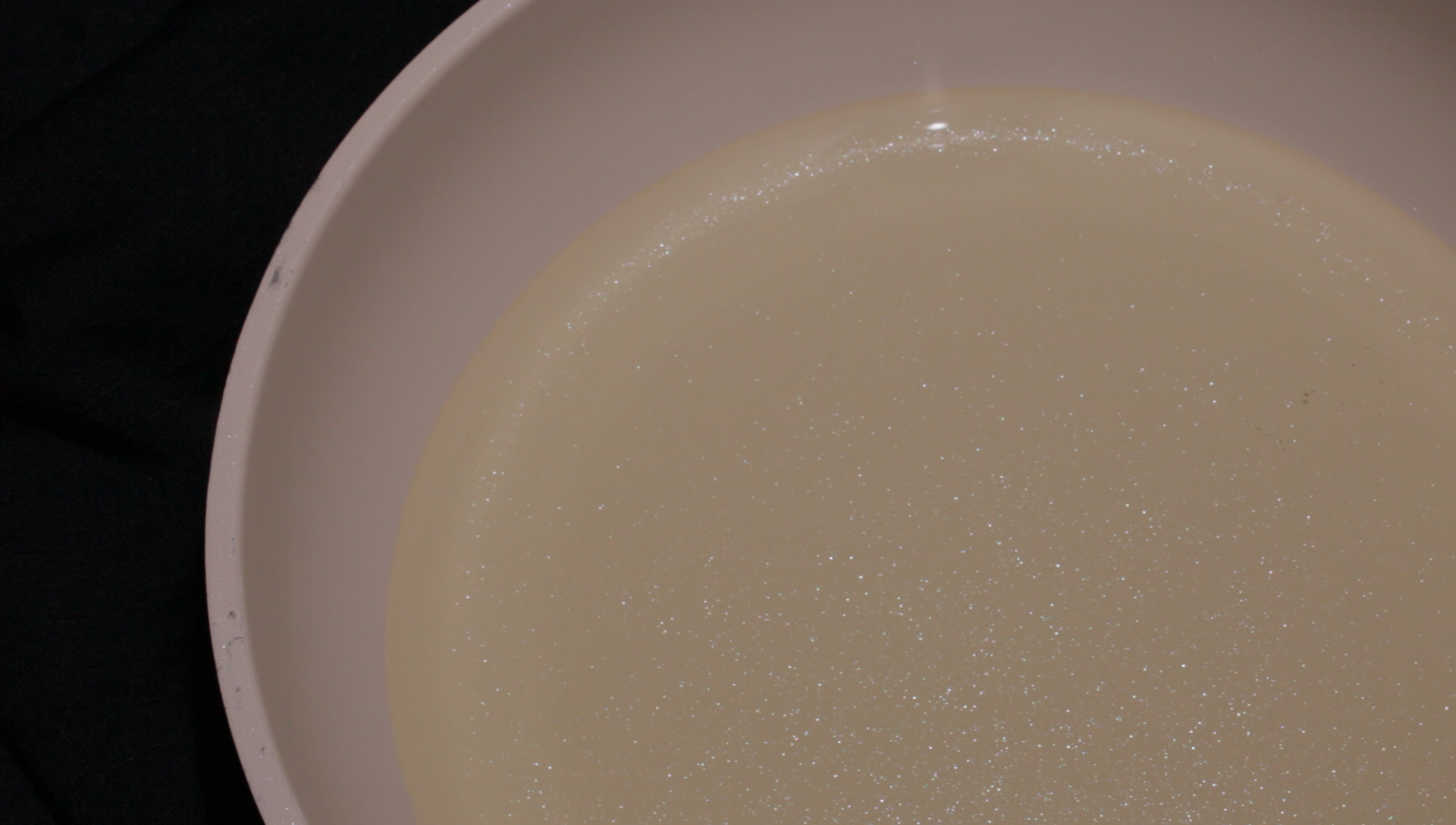
Step 7. In a large sauté pan, add frying oil ½” deep.
Heat the oil to 350°F.
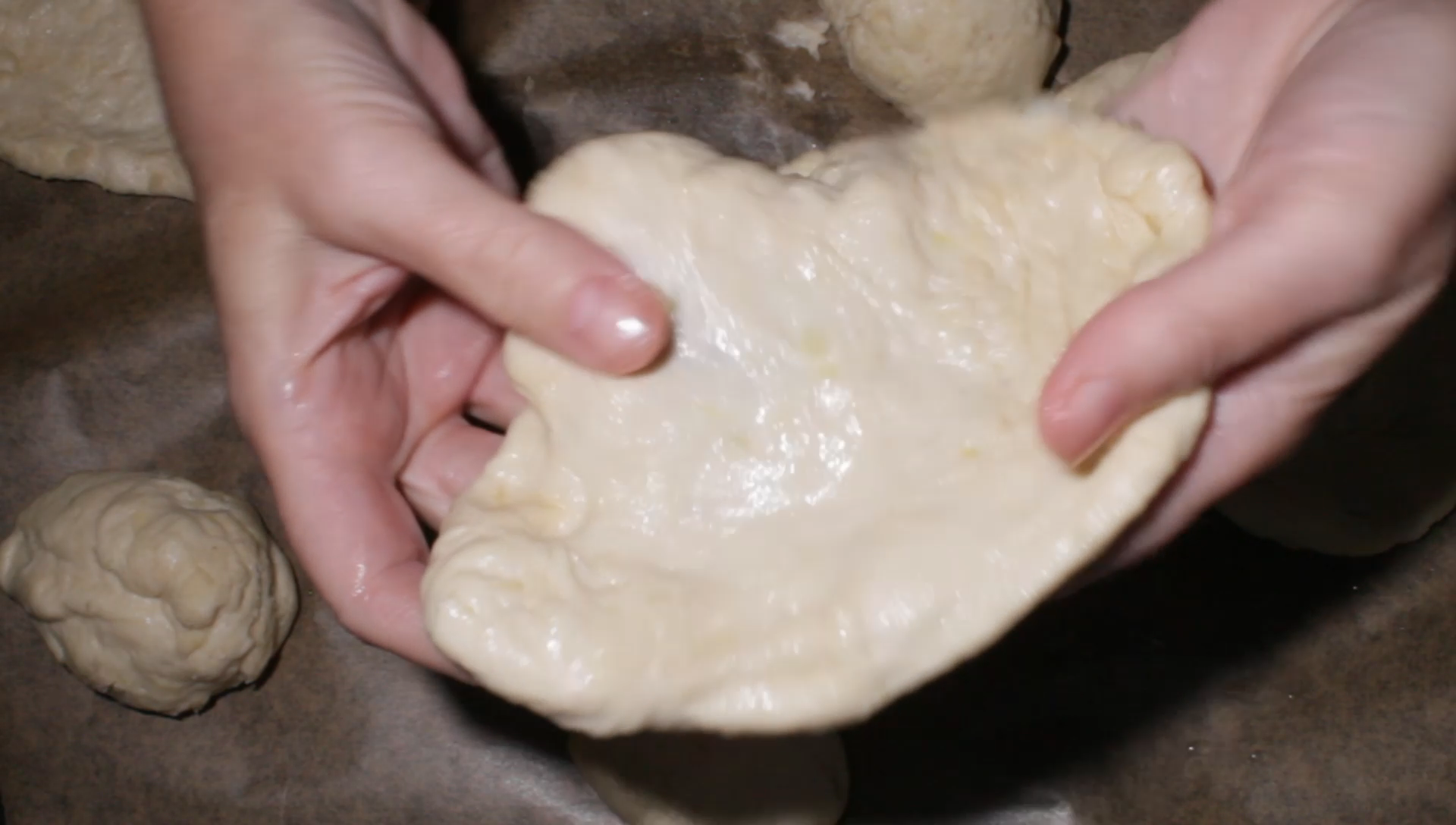
Step 8. Stretch the loaves with your hands, using oiled fingers to help them stick.
Keep them round, with the edges thicker than the center.
That shape gives the finished Hungarian flatbread its characteristic look and texture.
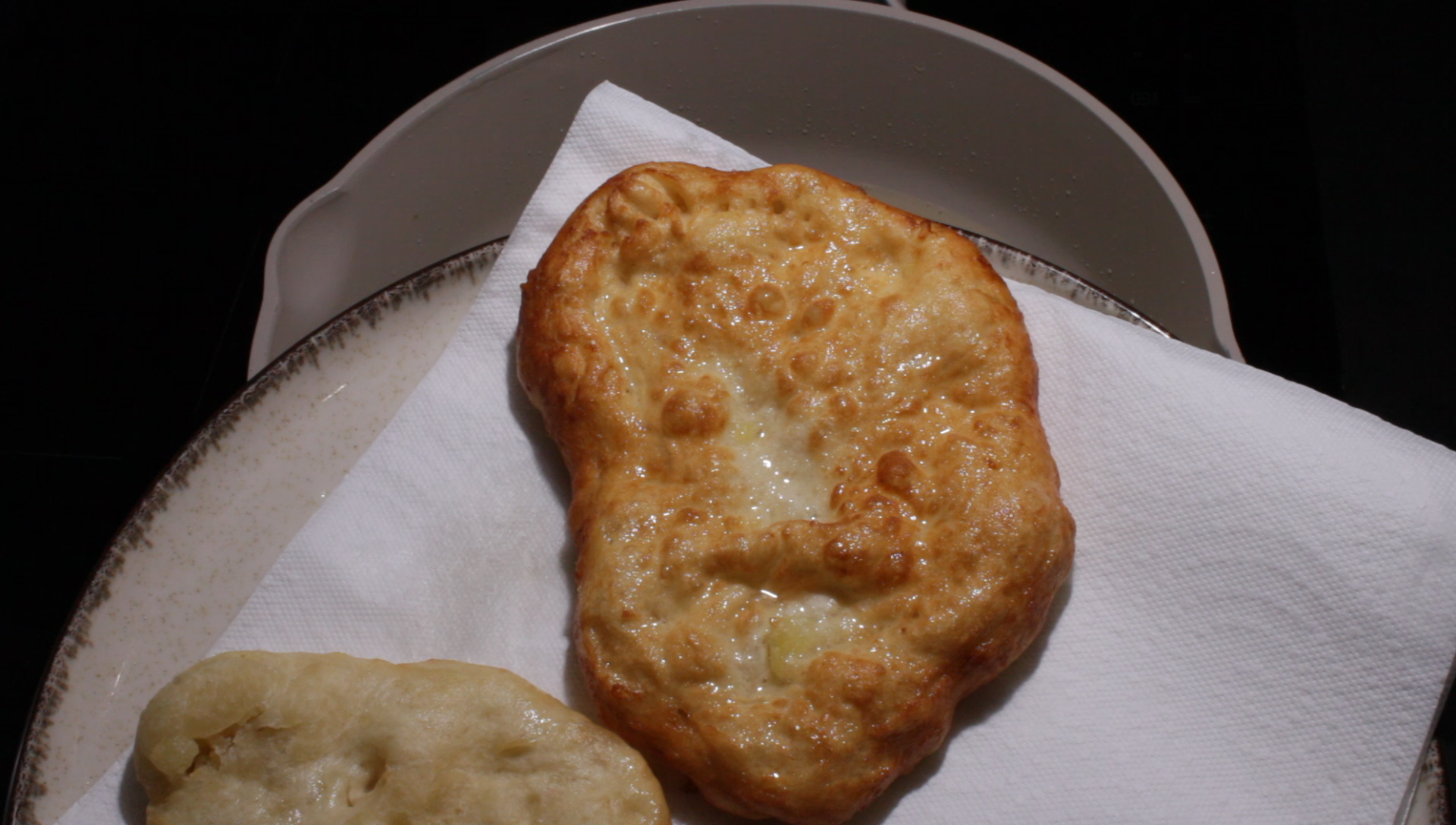
Step 9. Fry on both sides in hot oil until golden.
Place the finished langos on paper towels to drain.

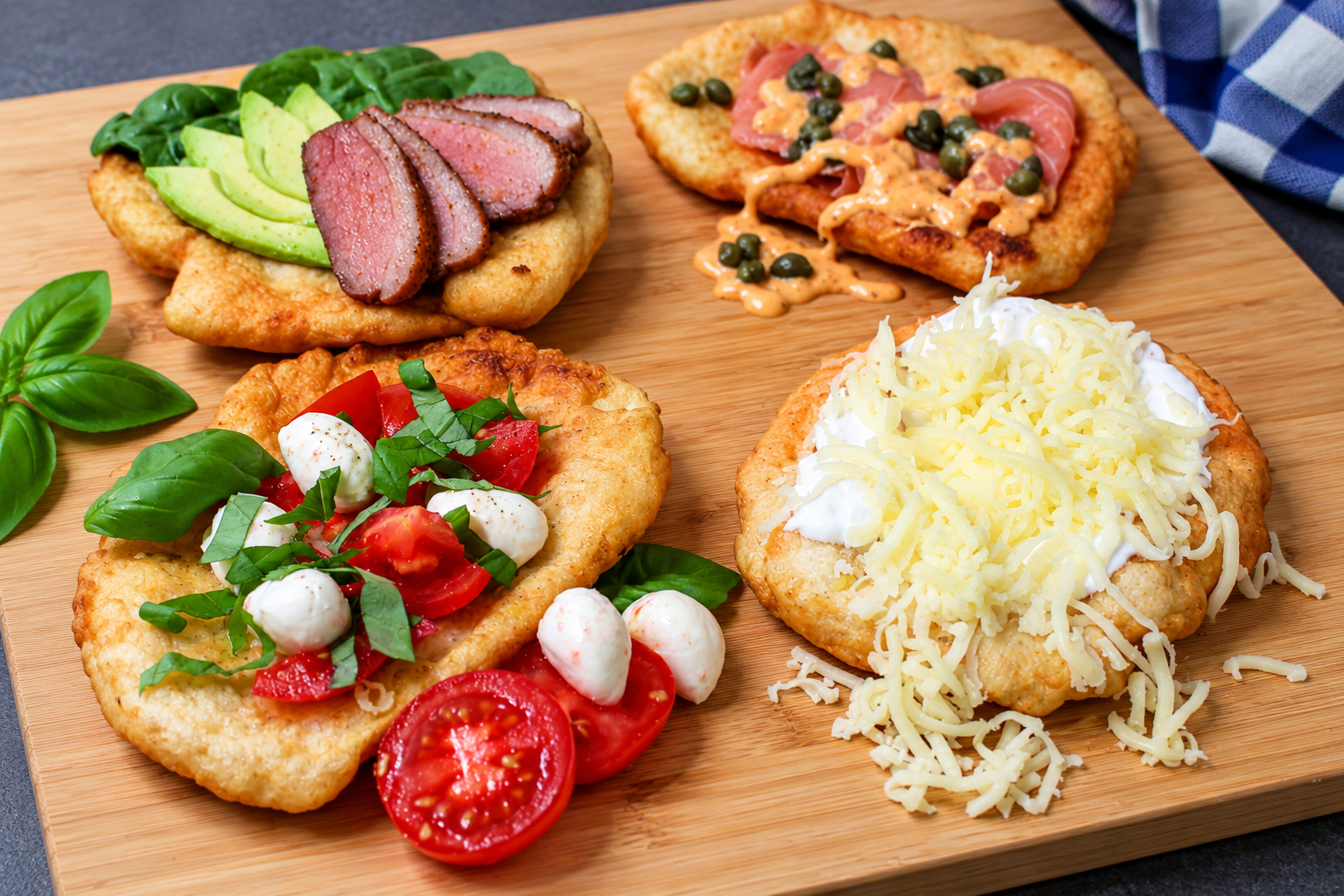
Step 10. Serve plain or add your favorite toppings.
And yes, this is absolutely the fun part. I sliced some Sous Vide Duck Breast with Orange Glaze to place on my Langos, so delicious
How to Get the Best Texture
- The dough needs time to rest and rise, so don't rush the process. The dough needs 1.5 hours of resting time, until the dough doubles in size, followed by another 15-minute rise after shaping.
- Pay attention to the dough during kneading, too. Make sure to stop once the dough is smooth, elastic, and begins pulling away from the sides of the bowl.
- When shaping, keep the center thinner and the edges thicker. Then fry at 350°F until golden.
Those simple details are what help create the crisp exterior and soft center that make homemade langos so much fun to eat.
A Few Things That Can Go Wrong
- The yeast doesn't activate - Make sure the milk is warmed to the specified 100–110°F / 38–43°C range before adding the sugar and yeast. Allowing the mixture about 10–15 minutes to activate is what makes the recipe work.
- The dough hasn't doubled - Make sure to let the dough rest for 1.5-hours, allowing time for the dough to doubles in size. Keep the dough covered while it rests.
- The dough is difficult to shape - Use lightly oiled hands when shaping the portions, then use oiled fingers when stretching the dough.
- The langos isn't the right shape - Keep the dough round and make the edges thicker than the center. Don't worry about making every piece perfectly identical—lángos is rustic Hungarian street food, not a geometry exam.
Variations and Substitutions
To get the best Langos follow the recipe exactly, but once your langos is fried, there is plenty of room for you to have some fun with langos toppings! While the traditional Hungarian version is usually topped with sour cream and Mozzarella cheese, there are so many delicious ways to make langos your own.
- Sour cream and shredded Mozzarella cheese: This is the traditional Hungarian topping and probably the first version you should try. The creamy sour cream with the salty, melty cheese is simple but absolutely delicious.
- Garlic: Garlic-flavored toppings are also very popular in Hungary. You can keep it simple with garlic or add another of your favorite topping for an extra punch of flavor.
- Bacon and onions: Because honestly, can you ever go wrong with crispy bacon and onions? This makes a hearty and incredibly satisfying version.
- Fresh tomatoes and herbs: I love putting a little Caprese salad on top of my langos . The combination of juicy tomatoes, fresh basil, and creamy cheese with the crispy fried bread is so good. It's honestly one of my favorite ways to eat it.
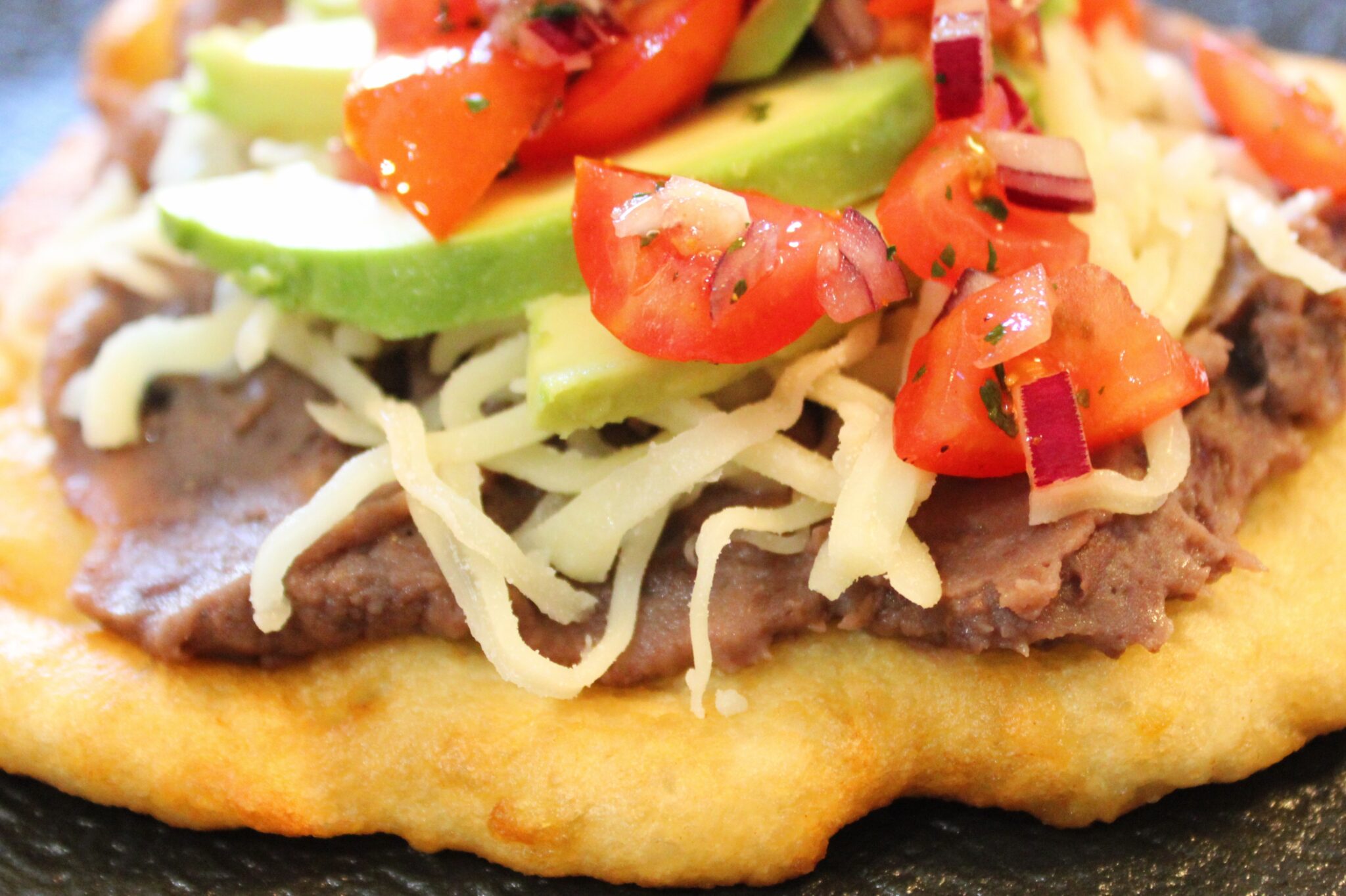
- Mexican Langos: My husband loves Mexican food, and while we’ve been here in Hungary, he loves topping his lángos with refried beans, cheese, tomatoes, avocado, and salsa. It gives him a little taste of Hungary with some familiar flavors from home—and honestly, what a great combination! I love how versatile lángos can be. You can enjoy the traditional Hungarian toppings or have some fun and create your own combination inspired by the flavors you love.
- Make it sweet: Yes, you can even turn langos into dessert! I've seen people top it with things like banana and Nutella, and I'm completely on board with that idea. The sky is the limit here—this is your chance to get creative and make your langos your own!
If you come up with a unique combination that you love, I’d love to hear about it in the comments section!
What to Serve With Hungarian Langos
Langos is substantial enough to enjoy on its own, but it can also be part of a larger Hungarian-inspired meal.

Start with a Hearty Hungarian-Style Dish
In Hungary, a piece of crispy Hungarian fried bread makes a great accompaniment to a hearty meal. Try it with a rich bowl of goulash. My Authentic German Goulash Recipe is another comforting Central European-style meal that pairs beautifully with lángos.
It also makes a great side dish with my Instant Pot Chicken Paprika Recipe, helping to balance out some of that delicious paprika spice.
You can also serve it alongside German Paprika Schnitzel With Spicy Paprika Sauce for a hearty meal.
And if you're looking for something a little different, lángos makes a great addition to Instant Pot Ground Beef Stroganoff.
Finish with Hungarian Chimney Cake
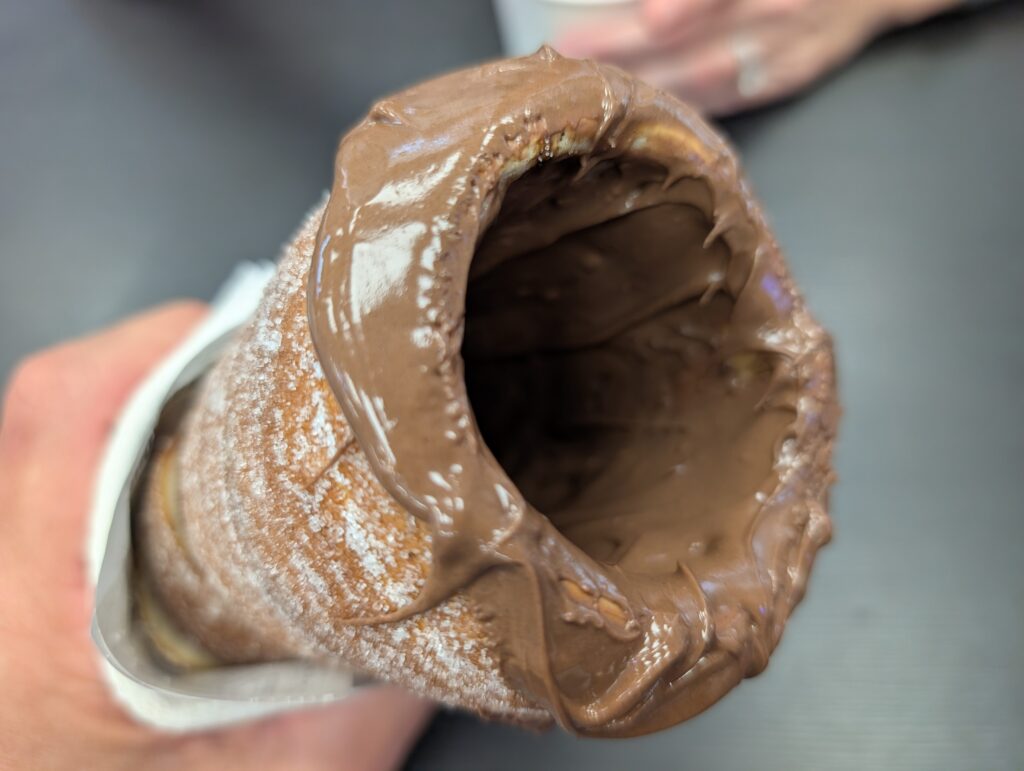
If you're going all-in on Hungarian food, dessert should absolutely be part of the plan. My Hungarian Chimney Cake Recipe brings another classic Hungarian treat to the table.
Add Something Sweet
You can also take a fresh lángos and top it with your favorite sweet toppings. Chocolate is always a good choice! My husband loves banana and Nutella on his, and I've even had lángos for breakfast with jam.
Honestly, this is where you can have some fun and make it your own. It's completely up to your taste buds!
Expert Tips
- Measure the milk carefully. The yeast mixture starts with milk heated to 100–110°F / 38–43°C.
- Give the yeast time to activate. The recipe calls for about 10–15 minutes.
- Don't skip the first rise. The dough needs 1.5 hours to double in size.
- Use lightly oiled hands. This helps when shaping and stretching the dough.
- Keep the center thinner than the edges. The recipe specifically calls for thicker edges.
- Get the oil to 350°F. This is the specified frying temperature.
- Don't forget the toppings. Langos is practically begging for a little personalization.
Frequently Asked Questions
Hungarian langos is a traditional fried bread made from a yeasted dough containing mashed potato. The dough is divided into portions, stretched into rounds, and fried until golden. It can be served plain or with your favorite langos toppings.
Yes. Mashed potato is included directly in the dough, making this a Hungarian potato langos recipe rather than a simple flour-based fried bread.
The combination of mashed potato, yeast, flour, and milk gives this homemade langos its own character. The dough is also stretched by hand with thicker edges before being fried.
The dough is cut into 8 portions, so this langos recipe makes 8 pieces.
Absolutely. Fried langos can be served plain or with a topping of your choice. Sometimes a beautifully golden piece of fried Hungarian bread doesn't need much fuss at all.
Storage / Reheating / Make-Ahead
- Storage: Langos is best when eaten right after it’s made. If you have leftovers, keep them in an airtight container for 1–2 days. But honestly, fresh langos is always the best!
- Reheating: If you’re eating leftover lángos, you can enjoy it at room temperature or warm it in the microwave for about 10–15 seconds, just until it’s warm and soft. The langos will harden up overnight, so you just want to warm it enough to soften it again.
- Make-Ahead: Langos dough is not meant to be refrigerated or made ahead of time. Once you make the dough, let it rise according to the recipe, then you’ll need to shape and fry the lángos once it has risen. If you have leftover fried langos, you can keep it for 1–2 days, but it’s always best eaten fresh and right after frying.
Hungarian Langos Recipe Closing
There is something wonderfully satisfying about making Hungarian langos from scratch. You get to mix the dough, watch it rise, stretch each piece by hand, and then watch it turn golden in the hot oil.
The result is a crisp, tender Hungarian fried bread that's ready to be enjoyed plain or dressed up with your favorite toppings.
If you've been looking for a fun Hungarian langos recipe to make at home, this one is definitely worth getting your hands a little oily for. Make a batch, pile on your favorite langos toppings, and enjoy a little taste of Hungarian street food right from your own kitchen.
Did you make this Hungarian langos recipe? rate it and leave a comment below to let me know how it turned out!
Recipe
Hungarian Lángos
Ingredients
- 1 cup mashed potato
- 2 cups bread flour
- ½ cup milk
- 2 ½ teaspoon yeast
- 1 teaspoon white sugar
- 1 teaspoon himalayan salt
Instructions
- Warm milk in a small saucepan to 100–110°F / 38–43°C, then remove from the heat and add the sugar and yeast. Store in a warm place until the yeast activates, about 10- 15 minutes.
- Place the flour and salt in a stand mixer bowl and add the yeast mixture, then mix for 30 seconds to 1 minute, until combined.
- Once combined, switch to the dough hook attachment and knead for 5 - 7 minutes.
- Once the mixture is smooth, elastic, and starts pulling away from the sides of the bowl. Stop kneading. Cover the dough and let it rest for 1.5 hours, until it doubles in size.
- Transfer the dough to a clean surface. Cut the dough into 8 portions.
- With lightly oiled hands, shape the 8 dough balls into small loaves. Let them rise for an additional 15 minutes while the oil heats.
- In a large sauté pan. Add frying oil ½” deep. Heat the oil to 350°F.
- Stretch the loaves with your hands (use oiled fingers to help them stick), keeping them round, with edges thicker than the center.
- Fry on both sides in hot oil until golden. Place on paper towels to drain and serve plain or with a topping of your choice.
- Add your favorite toppings.
Expert Tips:
- Measure the milk carefully. The yeast mixture starts with milk heated to 100–110°F / 38–43°C.
- Give the yeast time to activate. The recipe calls for about 10–15 minutes.
- Don't skip the first rise. The dough needs 1.5 hours to double in size.
- Use lightly oiled hands. This helps when shaping and stretching the dough.
- Keep the center thinner than the edges. The recipe specifically calls for thicker edges.
- Get the oil to 350°F. This is the specified frying temperature.
- Don't forget the toppings. Langos is practically begging for a little personalization.




Comments
No Comments