
At first glance, pairing wine with food can sound like something you need to study separately. In reality, it is much simpler. You have steak, seafood, or a warm comfort dish on the table, and you need a bottle to make the food taste even better.
The three dinner styles above give you plenty of room to move. Steak brings fat, char, and deep flavor. Seafood can be light and delicate, but it can also be buttery, creamy, or spicy. Comfort food brings richness, softness, and that cozy feeling that makes people reach for another serving.
So never start with the label on the bottle. Start with your plate. Is the food grilled, fried, creamy, lemony, spicy, or tomato-based? That answer tells you more than the price or the country on the bottle.
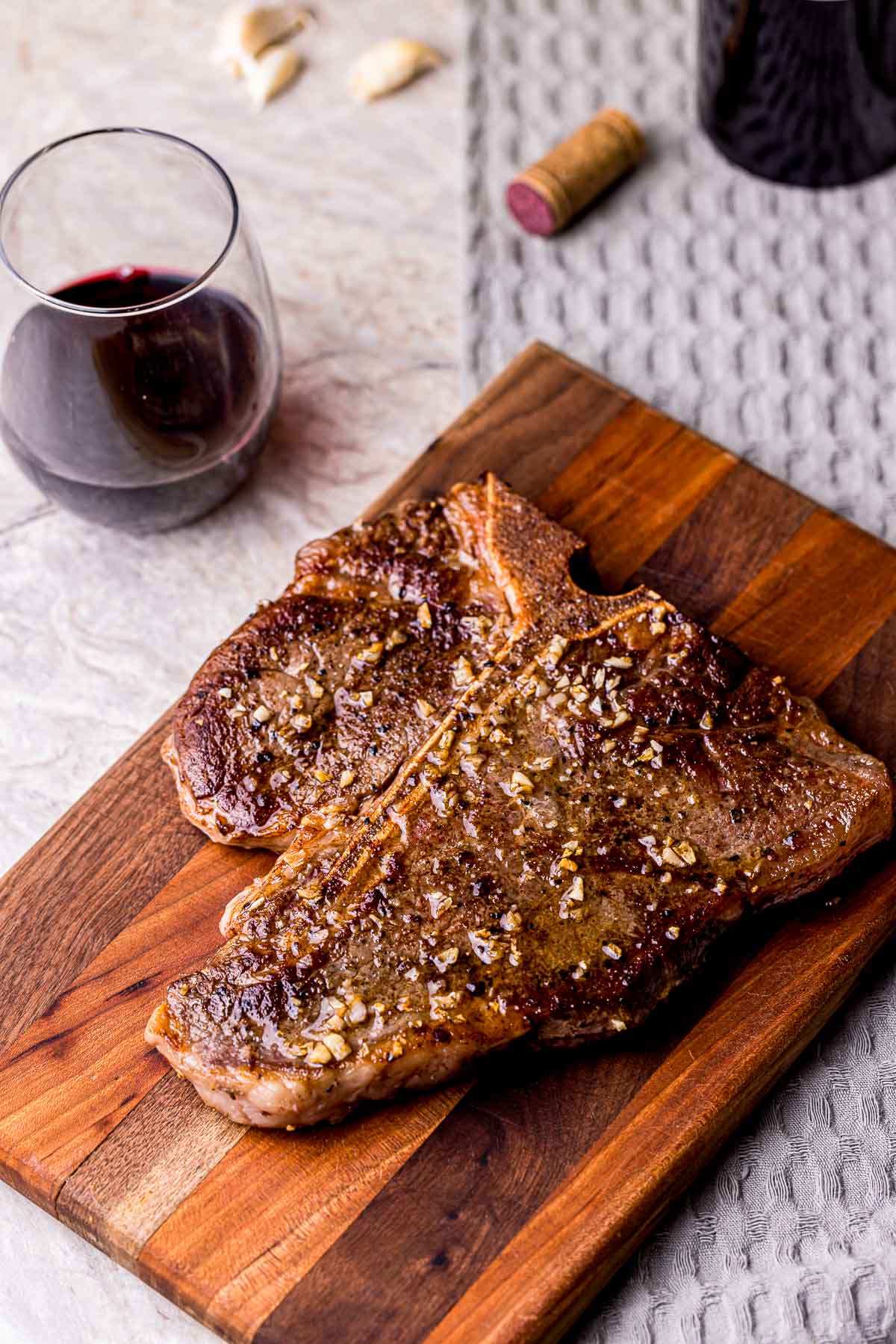
A bold steak can handle a bold red. But a steak salad with herbs and vinaigrette needs something fresher. Shrimp in garlic butter does not need the same wine as spicy seafood gumbo. Mac and cheese, fried chicken, and beef stew are all comfort food, but they ask for different bottles.
The easiest approach is to match the wine to the dish's body and flavor. Then ask what the food needs. Freshness? Structure? Fruit? Something crisp to cut through butter, cheese, or fried edges?
You also do not need to chase the perfect pairing. The best thing you can do is try to avoid obvious clashes. Heavy tannins with spicy food can feel rough. A flat, warm white can make seafood seem dull. A big red can make creamy food feel even heavier. That is usually where the useful part of pairing begins.
And of course, remember that this is just dinner at home. You do not need to turn the evening into a tasting session. Though, of course, why not, if that is what you want. But for dinner to feel relaxed and complete, it is enough to choose a bottle of wine that actually suits the meal.
If you are planning dinner and want to buy wine online, start with the main course category. Steak, seafood, and comfort food each point in a different direction, but the goal is the same: a bottle that helps the dish feel complete.
One practical note before you start cooking: for home preparation, Health Canada's safe internal temperature recommendations are useful for steak, seafood, or poultry. Wine temperature matters too: even the right bottle can taste flat if it is served too warm or too cold.
Start With the Main Flavor
Before choosing red or white, consider the dish's main flavor. Steak may feel like automatic red wine territory, and often it is. But the cooking method, sauce, and sides matter more than people think.
A grilled ribeye with fat, char, and marbling can take Cabernet Sauvignon, Syrah, or a bold red blend. Leaner cuts, like filet, sirloin, or flank, may work better with Merlot, Malbec, or Pinot Noir, especially if the sides are lighter. Add pepper sauce, mushrooms, or blue cheese, and the wine needs a bit more body to hold everything together.
Seafood is just as varied. Clean white fish with lemon wants freshness. Scallops in butter need enough acidity; otherwise, the dish can become too rich. Salmon has more weight so that it can handle fuller whites, dry rosé, or even a light red.
Want to Save This Recipe?
Enter your email & I'll send it to your inbox. Plus, get great new recipes from me every week!
By submitting this form, you consent to receive emails from Went Here 8 This.
Steak Pairing Ideas
Steak and red wine work together for a reason. Fat, salt, and char all respond well to structure and tannin. A good crust on the steak can make a bold red feel smoother, while the wine keeps the meat from feeling too heavy.
For grilled steak, Cabernet Sauvignon is the obvious choice. Syrah works well with smoky or peppery flavors. Malbec is a good middle option: juicy, full, and easy to pair with grilled meat.
For pan-seared steak with butter, mushrooms, or garlic, Merlot or Pinot Noir may be a better call. If the steak is spicy, skip the most tannic bottle, because heat and heavy tannins can feel rough together.
Seafood Pairing Ideas
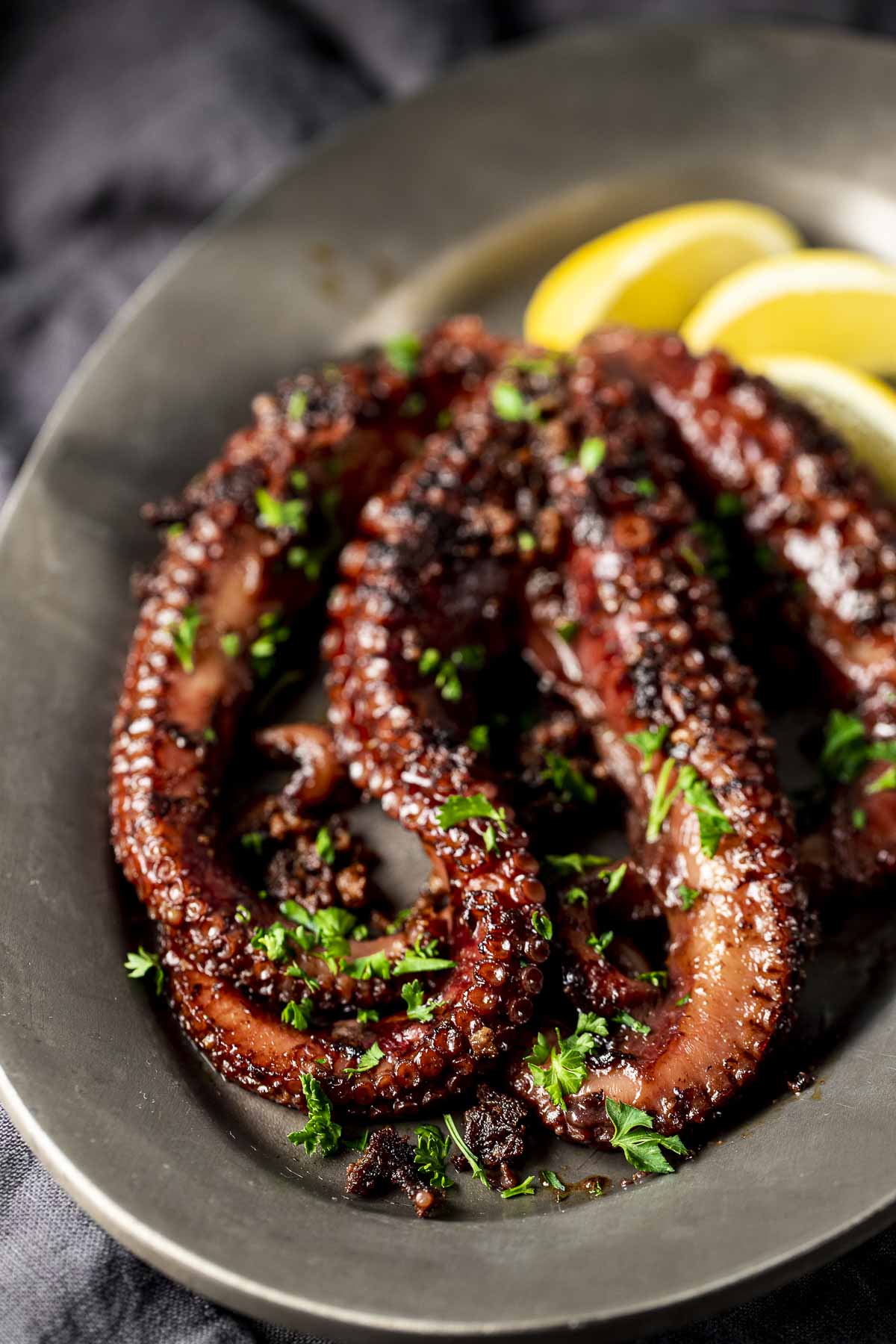
Seafood is all about texture and sauce. Delicate fish needs a wine that will not overpower it. Richer seafood needs enough freshness to keep everything lively.
For white fish with lemon, herbs, or simple vegetables, choose a crisp white like Sauvignon Blanc, Albariño, or Pinot Grigio. These wines bring acidity and freshness without getting in the way.
Chardonnay can work beautifully with buttery shrimp, scallops, or crab, especially if there is butter, cream, or a little sweetness from the seafood itself.
Salmon is more flexible. It can pair well with a fuller white, a dry rosé, or a light red like Pinot Noir. Spicy seafood needs a softer touch, such as Riesling, dry rosé, or a fruitier white.
Comfort Food Pairing Ideas
Comfort food is exactly where it is very easy to slip up. Yes, a rich dish with a full-bodied wine can sound like a good plan, but just a few minutes into the meal, you may realize it was probably a mistake.
Mac and cheese, creamy pasta, pot pie, fried chicken, burgers, and stews all need a little lift. Sparkling wine works well with fried food because the bubbles cut through salt and fat. A crisp white can brighten creamy dishes, while a soft red can handle meat-based comfort food without making it feel heavier.
For mac and cheese, try Chardonnay, sparkling wine, or dry rosé. For beef stew, go with Merlot, Syrah, or a medium-bodied red blend. For burgers, Malbec or Cabernet Sauvignon can work well, depending on the toppings.
A Quick Pairing Table
Feel free to use the table below as a cheat sheet in the store. Of course, it is not a strict rulebook, but it can save you from standing in front of the wine shelf for too long.
| Dish style | What the food brings | Wine direction |
| Grilled ribeye | Fat, char, deep beef flavor | Cabernet Sauvignon, Syrah, bold red blend |
| Filet or lean steak | Tender texture, softer flavor | Merlot, Pinot Noir, Malbec |
| White fish with lemon | Light texture, acidity | Sauvignon Blanc, Albariño, Pinot Grigio |
| Butter shrimp or scallops | Richness, sweetness, butter | Chardonnay, sparkling wine, dry rosé |
| Salmon | Rich fish, flexible texture | Chardonnay, sparkling wine, dry rosé |
| Fried chicken | Salt, crunch, fat | Sparkling wine, Chardonnay, dry rosé |
| Beef stew | Deep savory flavor, slow-cooked richness | Merlot, Syrah, medium-bodied red |
So, here is the main thing to remember. Heavier food pairs well with fuller-bodied wine, while lighter food usually pairs well with fresher wine. Fried or creamy food often works better with acidity or bubbles than with the same full-bodied red.
The Sauce That Changed Everything
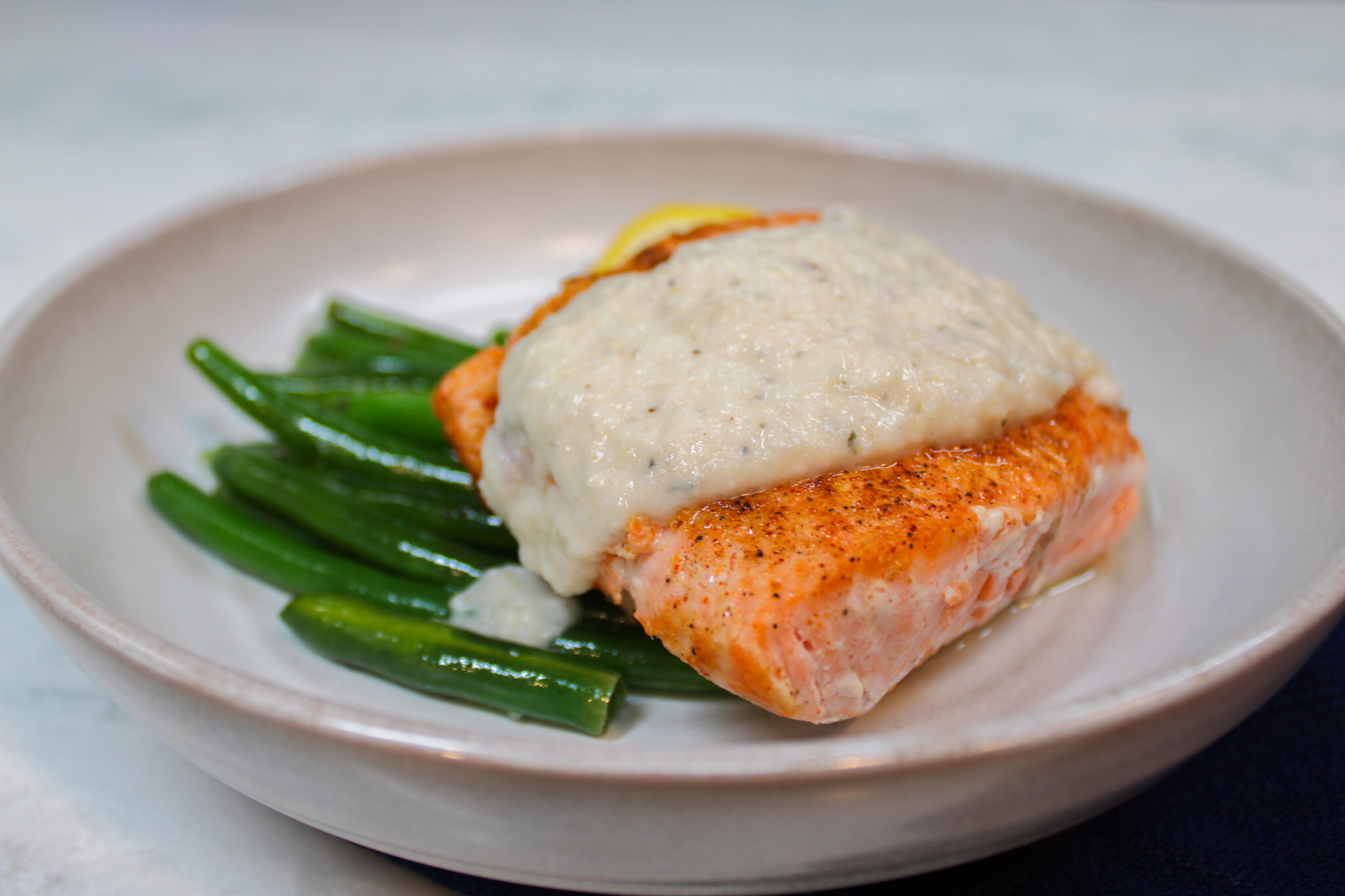
Do not underestimate sauces; they can really change everything. The same steak can feel bright and herbal with chimichurri, but much richer and softer with mushroom cream sauce. The same fish can taste fresh and zesty with lemon and herbs, then suddenly become fuller and warmer in a tomato-and-chili sauce.
That is why the sauce should be treated almost like a separate ingredient. Cream and butter usually need a fresh wine. Tomato sauces need enough acidity so the wine does not get lost beside them. Pepper, garlic, and smoky flavors can push the pairing toward fuller-bodied reds. Fresh herbs, citrus, and vinegar usually call for something more lively.
So, before opening the bottle, look at what is actually carrying the flavor. If it is the sauce, then the wine should respond to the sauce first, not just to the steak, fish, or chicken underneath.
Serving Tips That Actually Help
We have already established that serving wine at home does not need to be difficult. All you really need are clean glasses, the right bottle temperature, and, perhaps, someone to share dinner with. A sensible approach to choosing the wine helps too.
If you are serving more than one bottle, move from lighter to richer. Sparkling wine or a crisp white can open the meal. Bigger reds can come later with steak or stew. With that in place, you can enjoy the meal in all its proper food-and-wine glory.
Bringing It All Together
There is no single correct bottle of wine for steak, seafood, or anything else on the table. But it is enough to look at the main flavor of the dish, then at the sauce, texture, and heat. After that, you will understand which direction to move in.
All a good wine really has to do is open up the dish. Make the steak taste a little deeper, the seafood a little fresher, and the comfort food a little less heavy.
So keep the basic pairing guidelines in mind, choose a wine that suits the food on your table, serve it at the right temperature, and that is enough. Of course, nothing stops you from breaking the rules and choosing whatever wine you actually want, even if it does not technically pair with that steak at all.
Comments
No Comments