
From our home base in Budapest, Krakow was an easy escape—and we couldn't wait to start exploring this Krakow food guide destination for ourselves. A quick one-hour Wizz Air flight and suddenly we were in another country, ready to spend a few days discovering a new city, its food and its culture. This is one of the unexpected perks of living in Europe—we can hop on a relatively inexpensive flight, leave Budapest in the morning, and be somewhere completely different by lunchtime. Sure, the seats aren't exactly luxurious and legroom is more of a suggestion than a guarantee, but for an hour, we're not complaining! The ability to explore Central and Eastern Europe this easily is something we never could have experienced living in the United States.
After landing in Krakow, we grabbed a taxi to our Airbnb in the heart of the Old Town. By the time we dropped our bags, it was dinner time, and we were more than ready to get out and start exploring. We headed toward the Main Market Square, where the beautiful historic buildings were glowing in the evening light and outdoor cafés and restaurants were already buzzing. We found a table overlooking the square, ordered a beer, and settled in for our first taste of Krakow. Honestly, could there be a better way to start a trip?
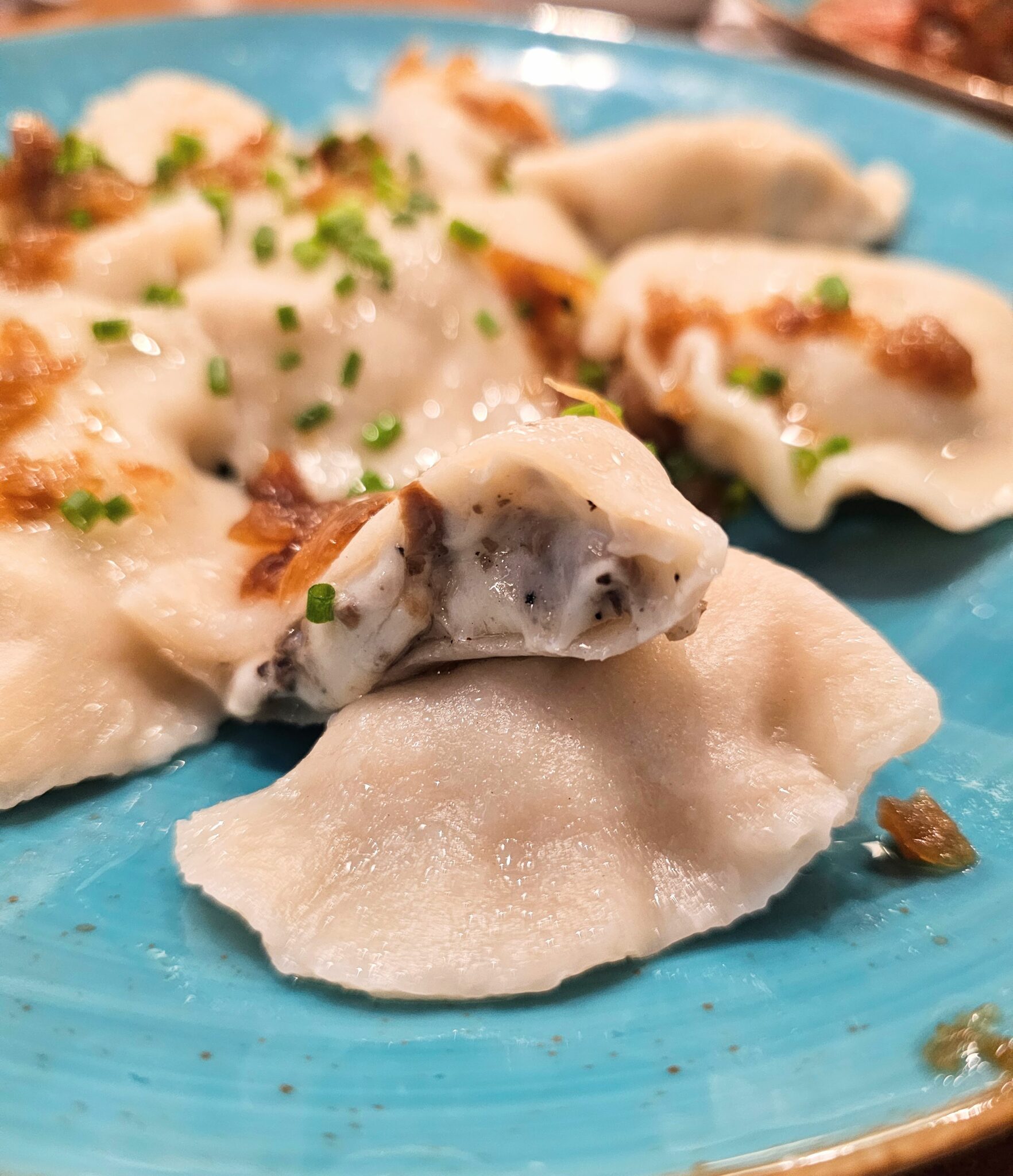
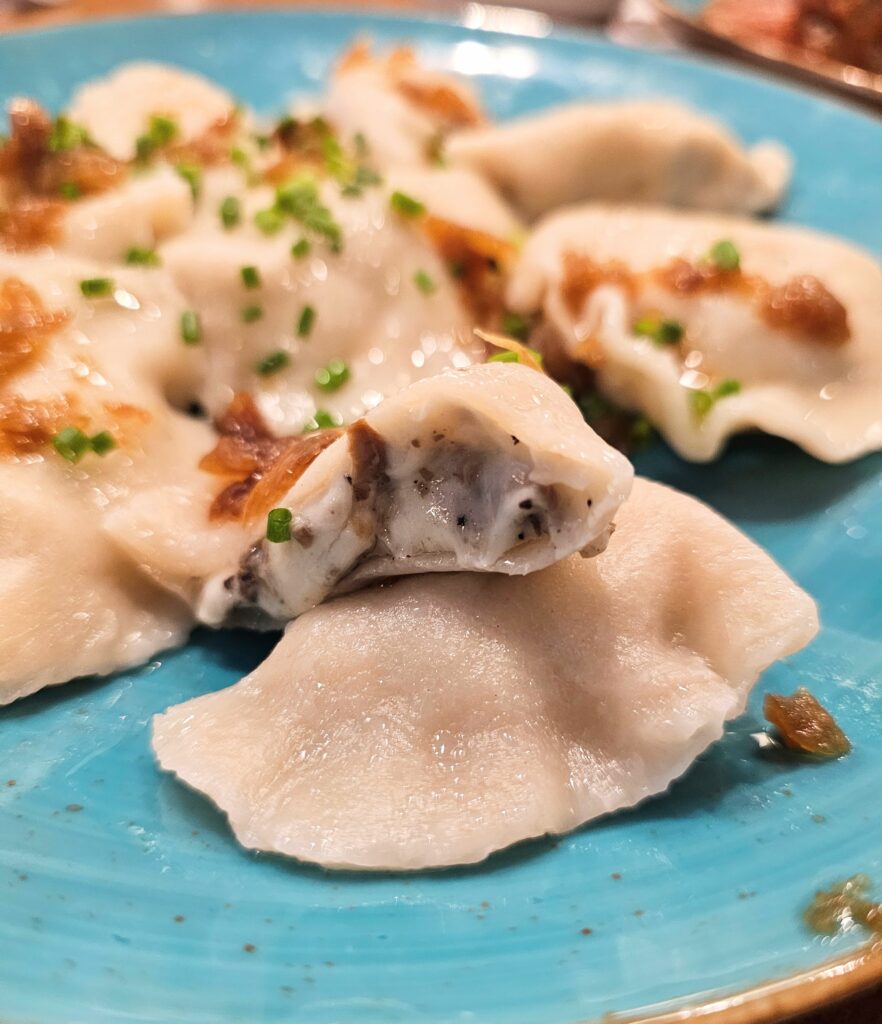
Our first order of business was, of course, pierogi. In Krakow, the pierogi were soft and tender, much more like delicate little parcels of filled pasta than the crispy version I typically make at home. And the filling choices seemed endless!
They also brought back a little taste of home for me. My grandmother made her pierogi the traditional way—soft and tender, filled with potatoes and then sautéed in butter with onions. Somewhere along the way, I've gotten into the habit of air frying perogies until they're golden and crispy. After tasting the pierogi in Poland, I'm thinking I may need to get back to my grandmother's way of doing things. Sometimes the old way really is the best way!
Jump to:
- Why We Chose to Explore Krakow Through Food
- What to Eat in Krakow, Poland
- The Ingredients That Define Polish Cooking
- Polish Food Is More Than Just Traditional Dishes
- Polish Desserts & Pastries
- Eating Our Way Through Krakow Old Town
- Exploring Kazimierz — Krakow's Historic Jewish Quarter
- A Trip Underground to the Wieliczka Salt Mine
- Final Thoughts: Krakow Through Food
- More Great Central European Destinations
- 💬 Comments

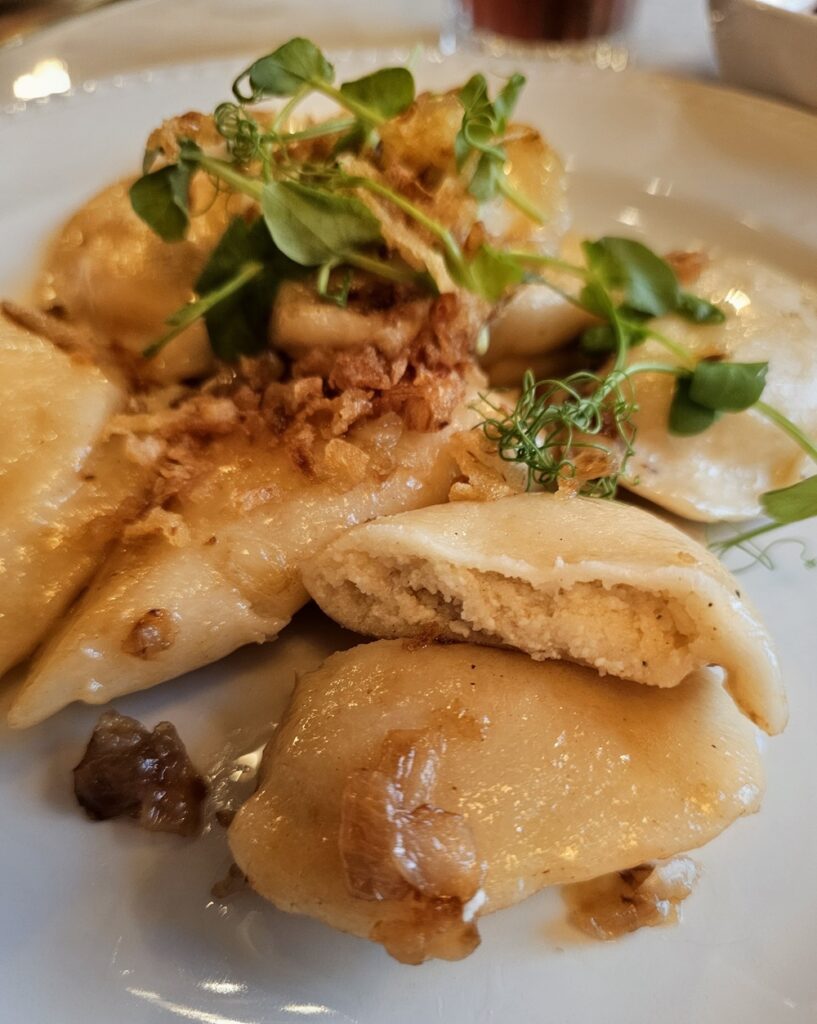
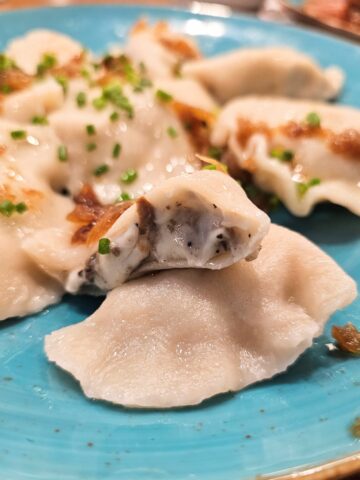
These classic Polish pierogi were filled with a comforting combination of creamy cottage cheese, potatoes and sautéed onion. The soft, tender dough wrapped around the savory filling made every bite rich and satisfying, while the onion added a little sweetness and depth. It's easy to see why this simple combination has become one of Poland's most beloved pierogi fillings. For us, it was a must-try while exploring Krakow—and definitely one of those dishes that makes you want to order just one more! 
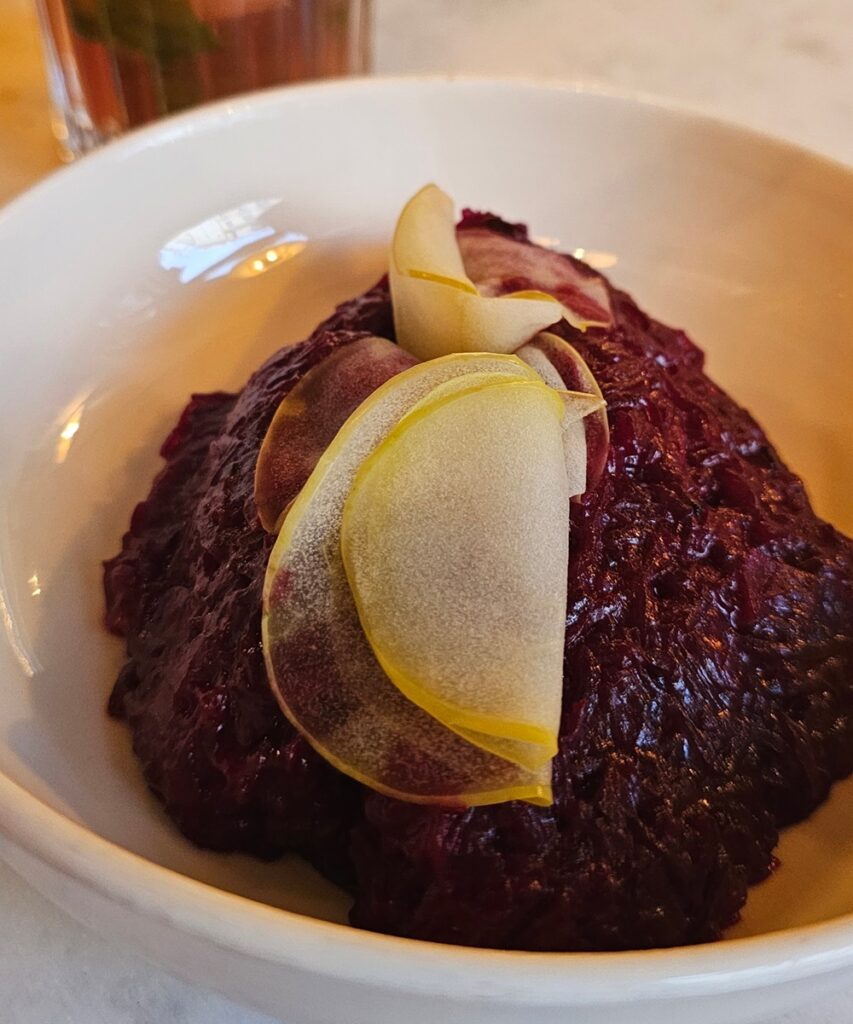
Braised Beetroot with Fermented Apple Purée — Tender braised beetroot paired with a smooth, slightly tangy fermented apple purée. The earthy sweetness of the beets works beautifully with the bright, tart apple, creating a surprisingly elegant combination. The fermentation adds a subtle depth and acidity that keeps the dish fresh and balanced.
After dinner, we weren't ready to call it a night. We wandered back into the square to see what Krakow looked like after dark. As the evening progressed, the street performers began appearing and crowds gathered around them. Musicians played, performers entertained and people watched. You could easily tell which acts were the crowd favorites—the bigger the crowd, the better the show!
One musician even had people dancing along to his music, from young kids to older couples. We stood there watching, laughing and taking it all in. It was one of those spontaneous travel moments that ends up being just as memorable as the sights you planned to see.
That first evening gave us a little taste for what was ahead—beautiful architecture, lively streets, history around every corner and, most importantly, plenty of opportunities to eat our way through the city.
Why We Chose to Explore Krakow Through Food
Who doesn't love eating their way through a new destination? For me, food is one of the best parts of traveling. Sometimes it's a dish I've never heard of, and other times it's something I make at home all the time but suddenly tastes completely different because I'm eating it where it originated. The ingredients, the preparation, the little twists and traditions—it all tells a story about the people and the place.
Poland was especially exciting for me because so many of the foods brought back memories of my grandmother's cooking. Pierogi, kielbasa and sauerkraut were definitely at the top of my list. These were foods I grew up eating, so I was curious to taste them in Poland and see how they compared to the versions I remembered from home. Would the pierogi taste like my grandmother's? Would the way they were prepared bring back those familiar flavors? And then there were the dishes that were completely new to me, like bigos and żurek, which I couldn't wait to try. It felt a little like taking a trip back through my family's food memories while discovering a whole new side of Polish cuisine at the same time.
Living in Budapest has made this kind of food exploration even more fun. Since moving to Central Europe, we've had the opportunity to travel from one country to another and taste our way through the region. I've found myself becoming more curious about local ingredients and traditional cooking techniques, and those experiences have definitely found their way into my own cooking. I'll try something on a trip and immediately start thinking, I need to make this at home! Of course, sometimes the goal is to recreate it exactly, and other times I can't resist putting my own spin on it.
That's one of the things I love most about traveling through food—you can visit the same city as someone else and come home with a completely different experience. A meal at a neighborhood café, a pastry grabbed from a little bakery or a dish you've never heard of can tell you things about a destination that you won't necessarily learn from a guidebook.
Polish cuisine is a perfect example. Traditional Polish cooking makes delicious use of humble, hearty ingredients like cabbage, potatoes, rye, pork and fermented foods. You'll find them tucked into soups, stews, dumplings and stuffed cabbage rolls. And while Krakow has plenty of restaurants serving traditional Polish food, we also found modern takes on classic ingredients and dishes from other parts of the world. That's part of the fun—there's always something new around the corner.
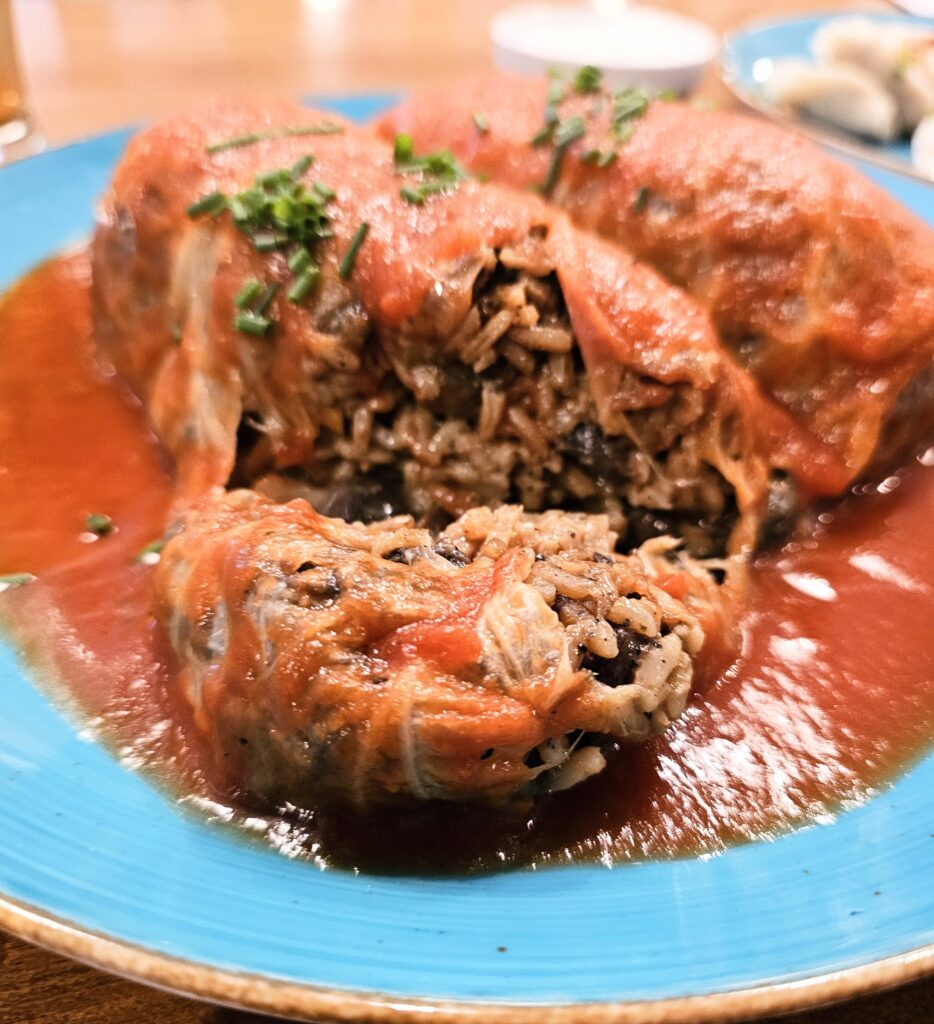
Traveling with my husband adds another layer to our food adventures because he's vegetarian. Finding good vegetarian food isn't always easy when we're traveling, especially in places where meat plays a big role in the traditional cuisine. But Poland pleasantly surprised us. He found plenty of delicious options, including braised beetroot with apples and leeks, cabbage rolls filled with rice, mushrooms and vegetables and served with tomato sauce, and Krakowskie-style zapiekanka topped with mushrooms, cheese and onions. So while I was happily chasing down traditional Polish dishes, he wasn't stuck eating salad! We both love beets, if you do as well try my Instant Pot Beets, Candied Beets, and Sous Vide Beets
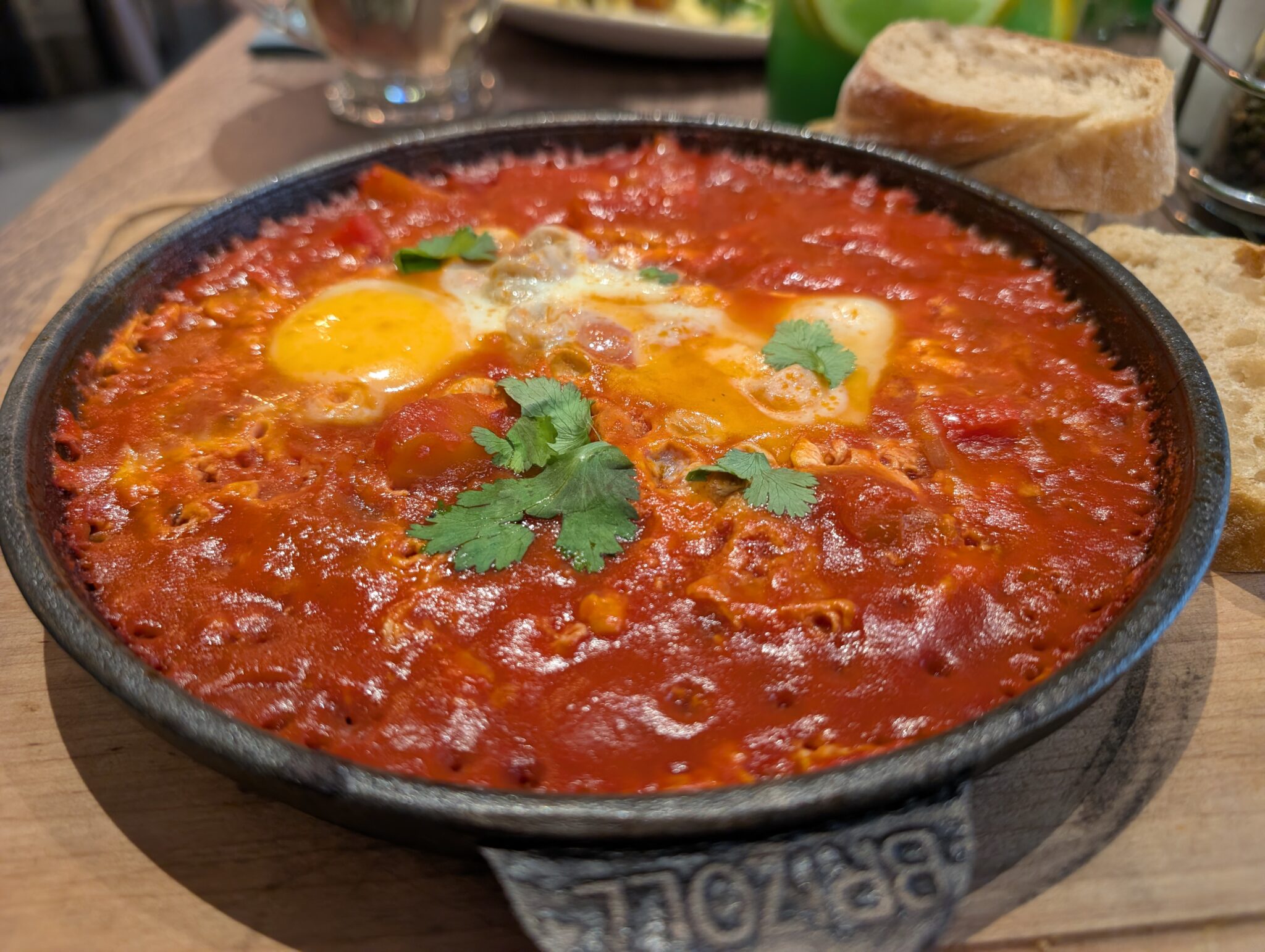
We were a little surprised to find shakshuka on breakfast menus in Krakow, but that's part of what makes traveling through food so much fun. You never know when a dish from another part of the world will become a local favorite.
We also discovered plenty of dishes that weren't traditionally Polish but have become part of the broader Central European food scene. Shakshuka, for example, originated in North Africa and the Mediterranean but has become a surprisingly common breakfast option throughout Central Europe. I love finding these little culinary connections while traveling. They show how food is constantly crossing borders, evolving and becoming part of new cultures.
And then there are the pastries.
If you have a sweet tooth, you may want to loosen your belt before visiting Poland. Cafés and pastry shops seem to be everywhere, and you don't have to stick to the touristy areas to find something delicious. My husband has quite the sweet tooth, so naturally, pastries became an important part of our Krakow experience. We found everything from beautiful cakes and filled pastries to flaky, croissant-like treats filled with pistachio cream and raspberry jam. Honestly, walking past a pastry shop without going inside required some serious willpower!
That's what made exploring Krakow through food so much fun for us. We weren't just checking restaurants off a list or hunting down the dishes everyone says you "must try." We were discovering how people eat, what ingredients they use, how familiar foods are prepared differently, and how traditional Polish cuisine fits into the larger food culture of Central and Eastern Europe.
For us, food isn't just something we eat while traveling—it's part of how we get to know a place. And in Krakow, we were more than happy to get to know the city one bite at a time.
Want to Save This Recipe?
Enter your email & I'll send it to your inbox. Plus, get great new recipes from me every week!
By submitting this form, you consent to receive emails from Went Here 8 This.
What to Eat in Krakow, Poland
If you're heading to Krakow, come hungry because this Krakow food guide is going to make you want to loosen your belt a notch! Polish cuisine is the kind of food that makes you want to order one more dish even when you're already full—and then somehow find room for dessert. It's hearty, comforting and packed with ingredients and traditions that have been part of Polish cooking for generations.
Seasonality also plays a big role. Polish cooking traditionally makes good use of whatever is available throughout the year, which means hearty cabbage and potato dishes in the colder months and fresh berries, vegetables, herbs and fruits when the growing season arrives.
And while traditional Polish food has its roots firmly planted in the country's history, Krakow's food scene has plenty of regional and international influences mixed in. You'll find centuries-old Polish dishes right alongside modern restaurants putting their own spin on familiar ingredients. That's what makes eating your way through Krakow so much fun.
Here are a few of the Polish foods we think you should put on your Krakow food bucket list.
Zapiekanka
Let's start with something fun: zapiekanka.
Think of it as Poland's answer to pizza and an excellent excuse to eat melted cheese on bread. A traditional zapiekanka starts with a long, open-faced baguette topped with mushrooms and cheese, then baked until everything is hot, bubbly and golden. From there, the toppings can get much more creative.
You'll find zapiekanka throughout Krakow, but Plac Nowy in Kazimierz is particularly famous for it.
We tried a version topped with mushrooms, cheese and onions, and it was exactly the kind of casual street food we love discovering when we travel. Crispy around the edges, gooey in the middle and incredibly satisfying after a day of walking.
And yes, it's perfectly acceptable to eat it while wandering around.
Kielbasa
You can't talk about Polish food without talking about kielbasa.
Kielbasa simply means sausage in Polish, and there are countless varieties depending on the region and preparation. It can be smoked, grilled, baked or served alongside other traditional dishes.
Pork is a common ingredient in Polish cuisine, and you'll find it featured in many traditional dishes. Preserving meats through smoking and curing was historically an important way to make food last through the winter, and those traditions are still very much part of Polish food culture today.
For a food lover, trying kielbasa in Poland is a little like having pizza in Italy—you've got to try it where the tradition began!
Bigos
Bigos, sometimes called Polish hunter's stew, is exactly the kind of dish you want waiting for you on a cold day.
It's a hearty combination of cabbage, sauerkraut, meat and other ingredients, slowly cooked together until the flavors have a chance to mingle. Pork and sausage are commonly used, although recipes vary from cook to cook and region to region.
The combination of fresh and fermented cabbage gives bigos a wonderful depth and tanginess. It's rustic, filling and incredibly comforting.
And because this is the kind of dish that gets better as it sits and the flavors develop, don't be surprised if a Polish cook has a pot going for more than one day. Sometimes the best food doesn't need to be rushed.
Żurek
If you're a soup lover, make room for żurek.
This traditional Polish soup gets its distinctive sour flavor from fermented rye, which gives it a tangy flavor unlike most soups you're probably used to. It's often made with sausage, potatoes and eggs and is especially popular around Easter.
The fermented rye is what makes this soup so interesting. Fermentation has long played an important role in Polish cooking, both as a way to preserve food and because it adds layers of flavor.
It may sound unusual at first, but that's exactly why I love trying traditional dishes when traveling. Sometimes the foods you can't quite imagine end up being the ones you remember.
Pierogi
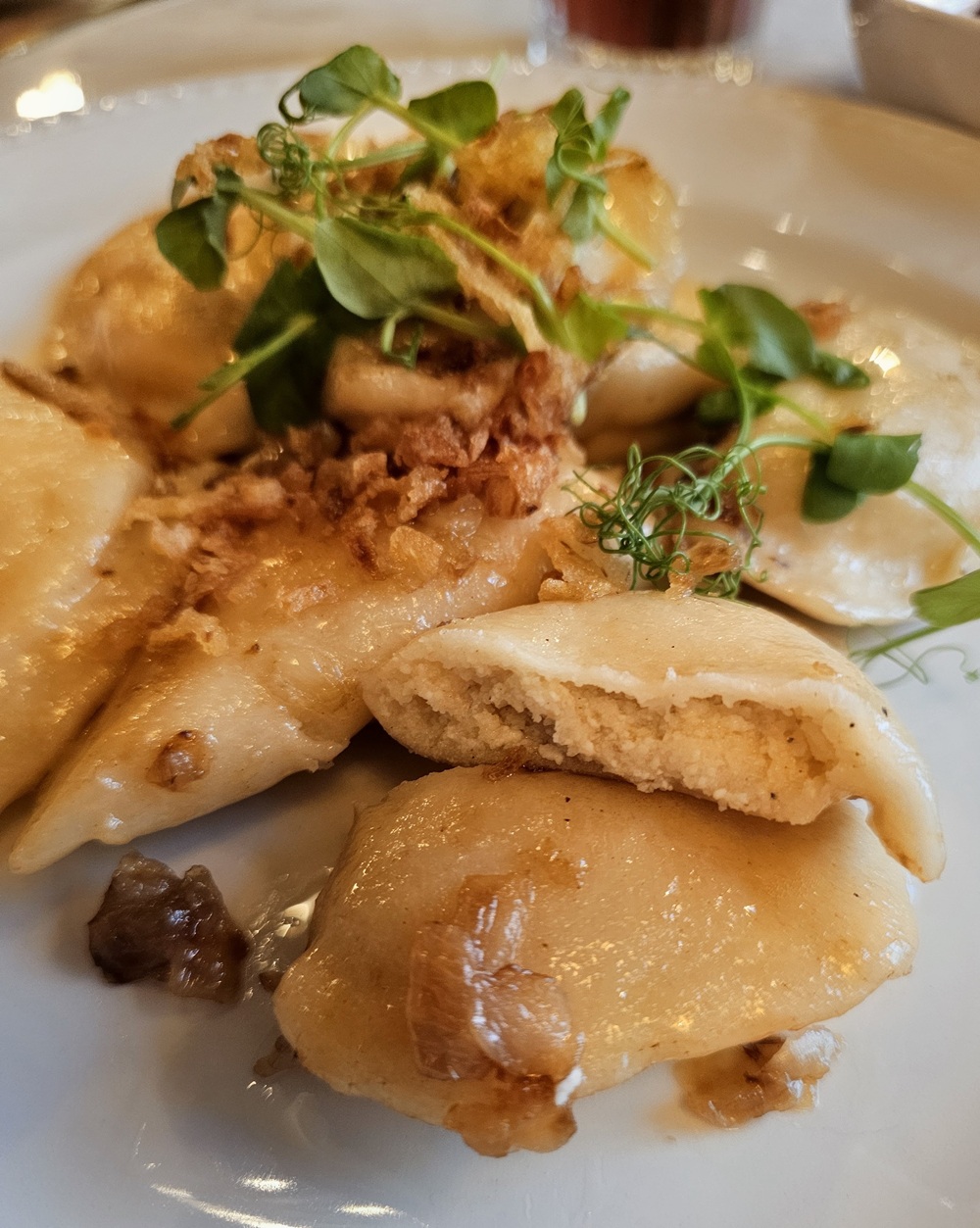
And then, of course, there are pierogi.
If there is one Polish food you've probably heard of before visiting Poland, this is probably it. These tender dumplings are made from a soft dough wrapped around a variety of fillings, then boiled and sometimes finished by pan-frying.
And the filling possibilities are practically endless.
You'll find traditional versions filled with potatoes and cheese, sauerkraut and mushrooms, meat, cabbage and more. Sweet pierogi can also be filled with fruit or other sweet fillings.
It's a perfect example of why I love eating familiar foods while traveling. You think you know a dish, and then you try it where it comes from and discover an entirely different side of it.
The Ingredients That Define Polish Cooking
While exploring Krakow, you'll notice certain ingredients popping up again and again.
Cabbage and fermented foods are especially important, whether they're used in soups, stews, dumplings or side dishes. Potatoes are another Polish staple, showing up in everything from pierogi fillings to hearty soups and pancakes.
Rye is used in breads and fermented preparations such as the base for żurek, while pork and sausage appear throughout traditional Polish cooking. Mushrooms are also common, particularly in dishes that showcase the flavors of Poland's forests.
Many of these ingredients reflect the practical nature of traditional Polish cooking. Food needed to be hearty, affordable and capable of feeding a family through long winters. Preserving, fermenting, smoking and pickling weren't just culinary techniques—they were ways of making sure there would be food available when fresh ingredients were harder to find.
Today, those same traditions have become an important part of what makes Polish food so interesting.
Polish Food Is More Than Just Traditional Dishes
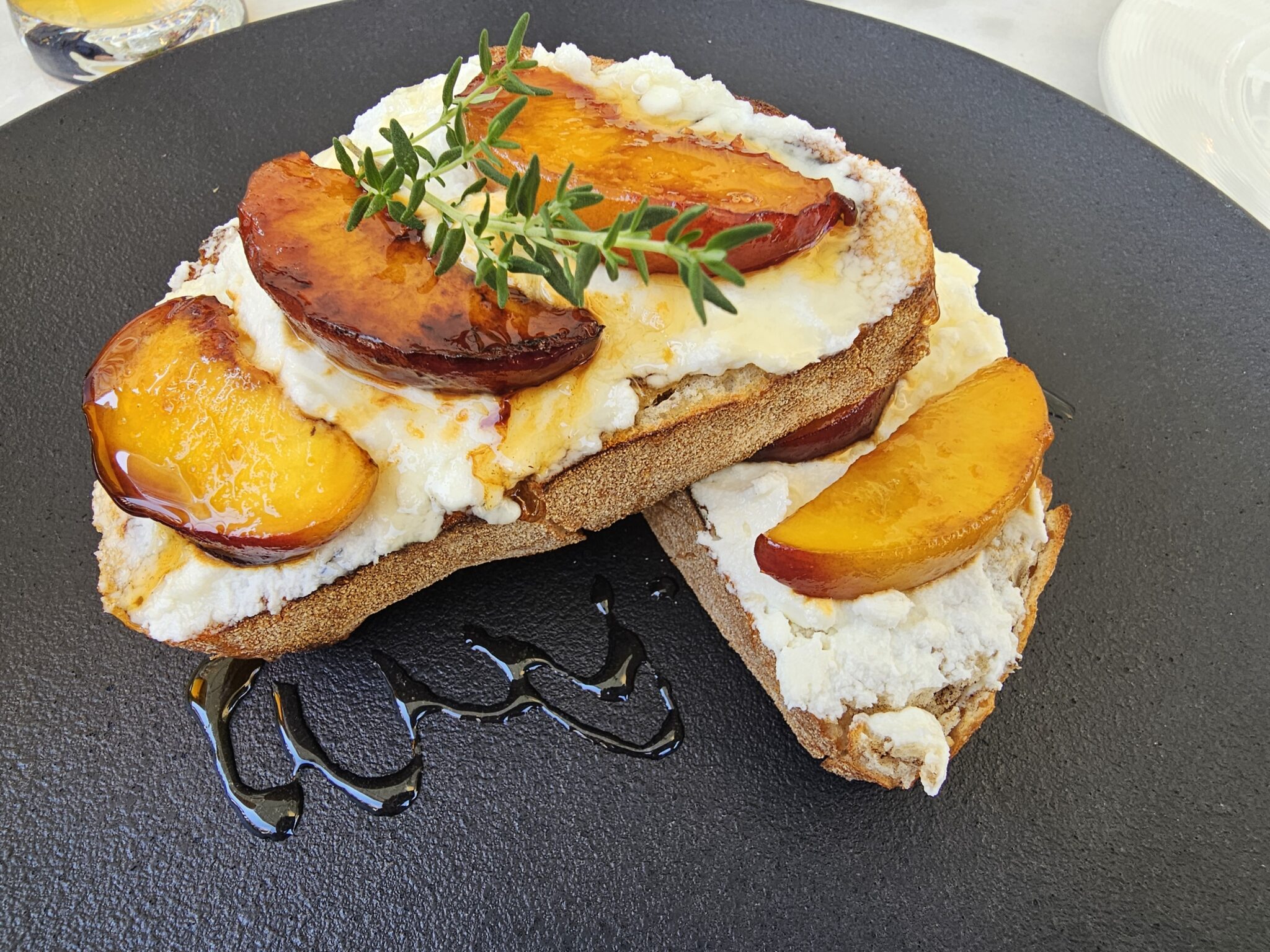
One of the biggest surprises for us was how much variety we found in Krakow. Yes, you can absolutely eat pierogi, kielbasa, bigos and żurek all day long, but Krakow's food scene has evolved far beyond traditional Polish cooking.
You'll find restaurants taking classic Polish ingredients and giving them a modern twist, along with food influenced by neighboring countries and cuisines from much farther away.
That's part of what makes Krakow such a fun city for food lovers. You can have a centuries-old Polish dish for lunch, grab a zapiekanka from a street vendor in the afternoon, stop for a beautiful pastry and finish the day with a modern interpretation of Polish ingredients.
For us, that's the real fun of exploring Krakow through food—discovering where traditional Polish cooking ends and the modern food scene begins, and happily eating our way through both.
Polish Desserts & Pastries

a cream puff featuring a light choux pastry jacket topped with a sweet, crackly crust colored in a vibrant raspberry hue. 
The display case features an assortment of artisanal sculpted fruit-shaped mousse pastries, including hyper-realistic mango, lemon, and raspberry designs alongside tiramisu cups. Display case featureing an assortment of fine pastries and tarts, with varieties such as "Malinowy earl grey" and "Chrupiący pekan". Display case showcasing an assortment of traditional layer cakes, fruit tarts, and towering meringue-based confections. bakery display case features an assortment of filled croissants topped with fruits, chocolates, and creams, including varieties like Kinder Bueno and pistachio-raspberry. 
Raspberry shaped chocolate shell with Raspberry moose and jelly inside
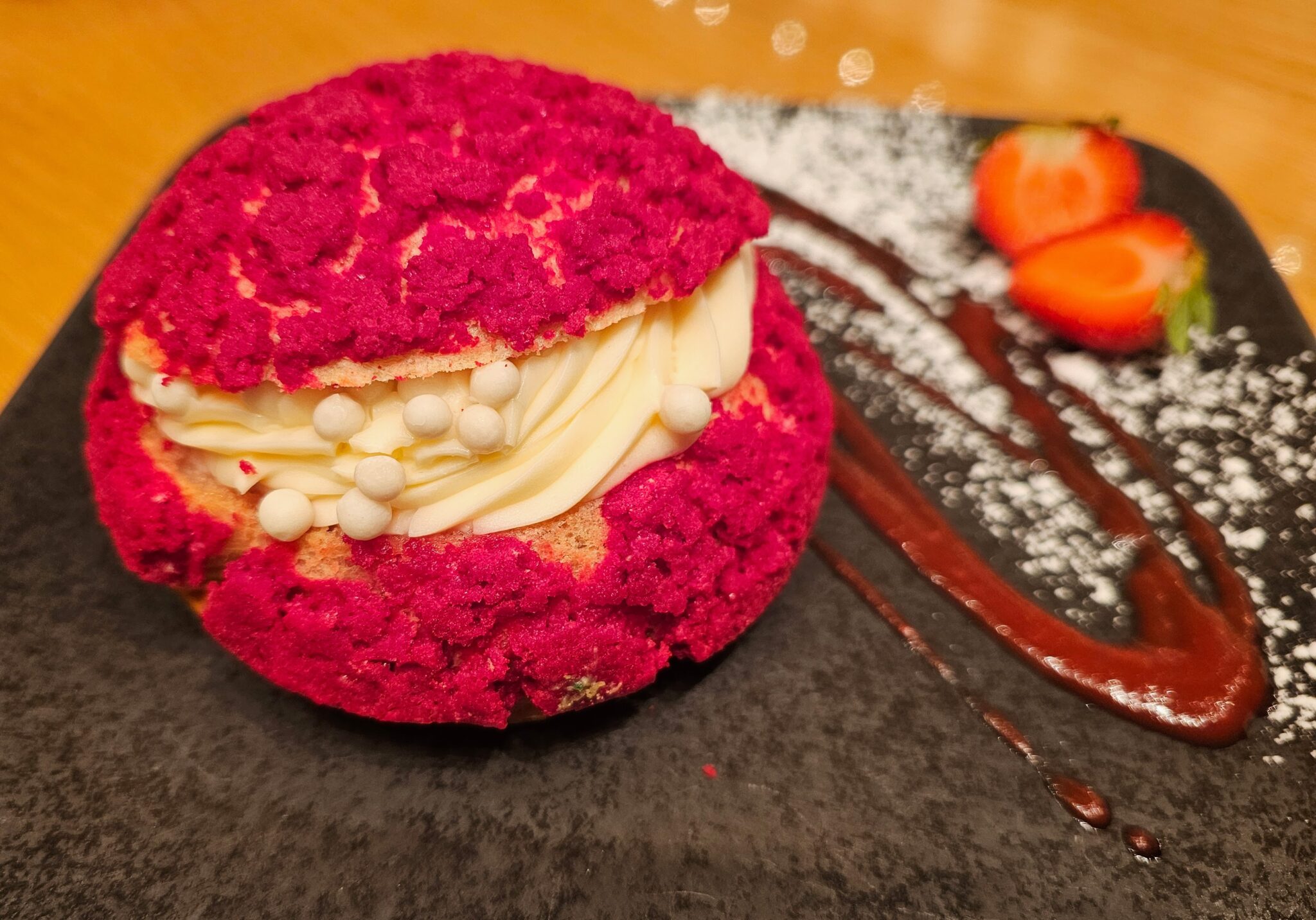
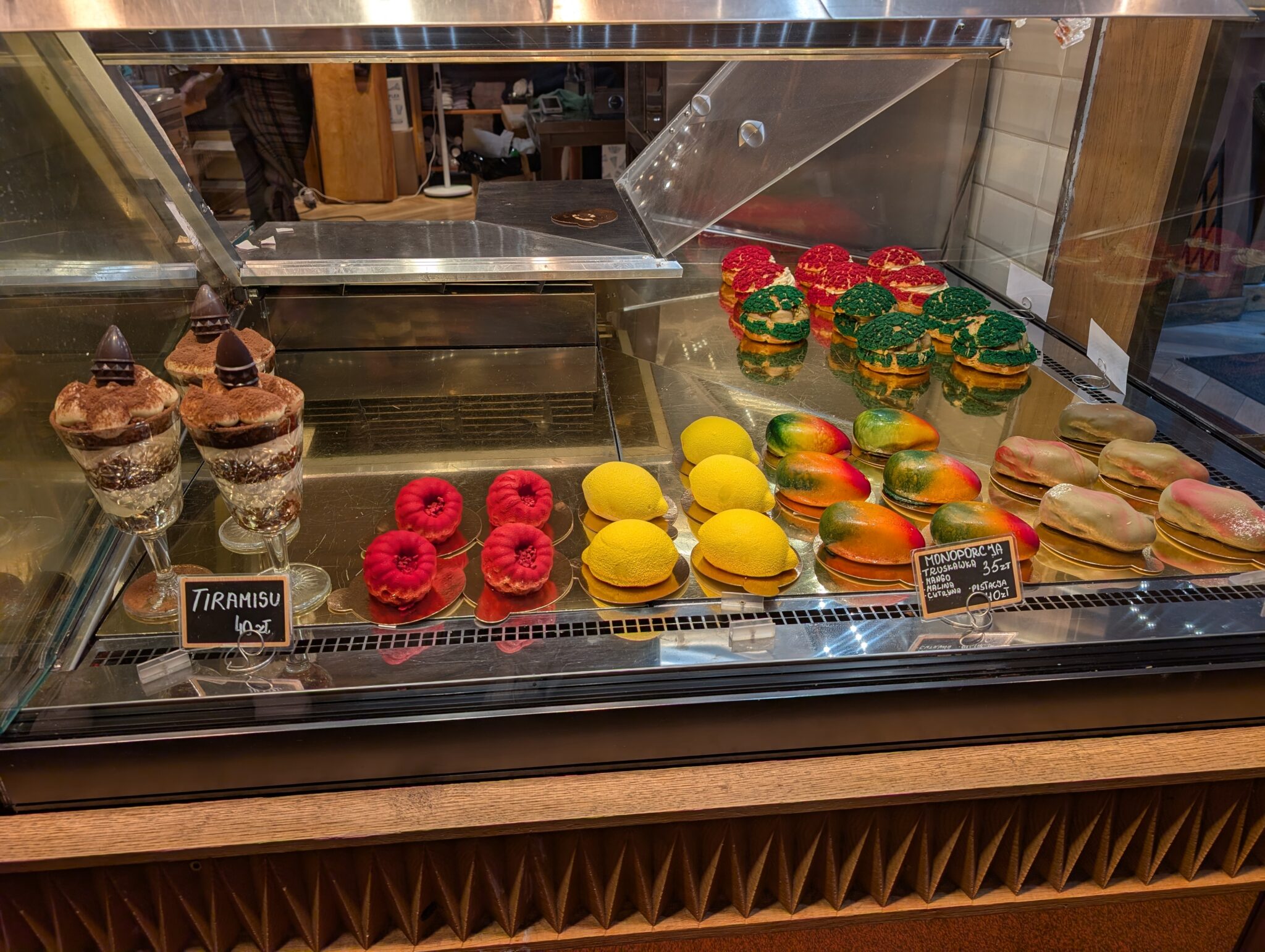
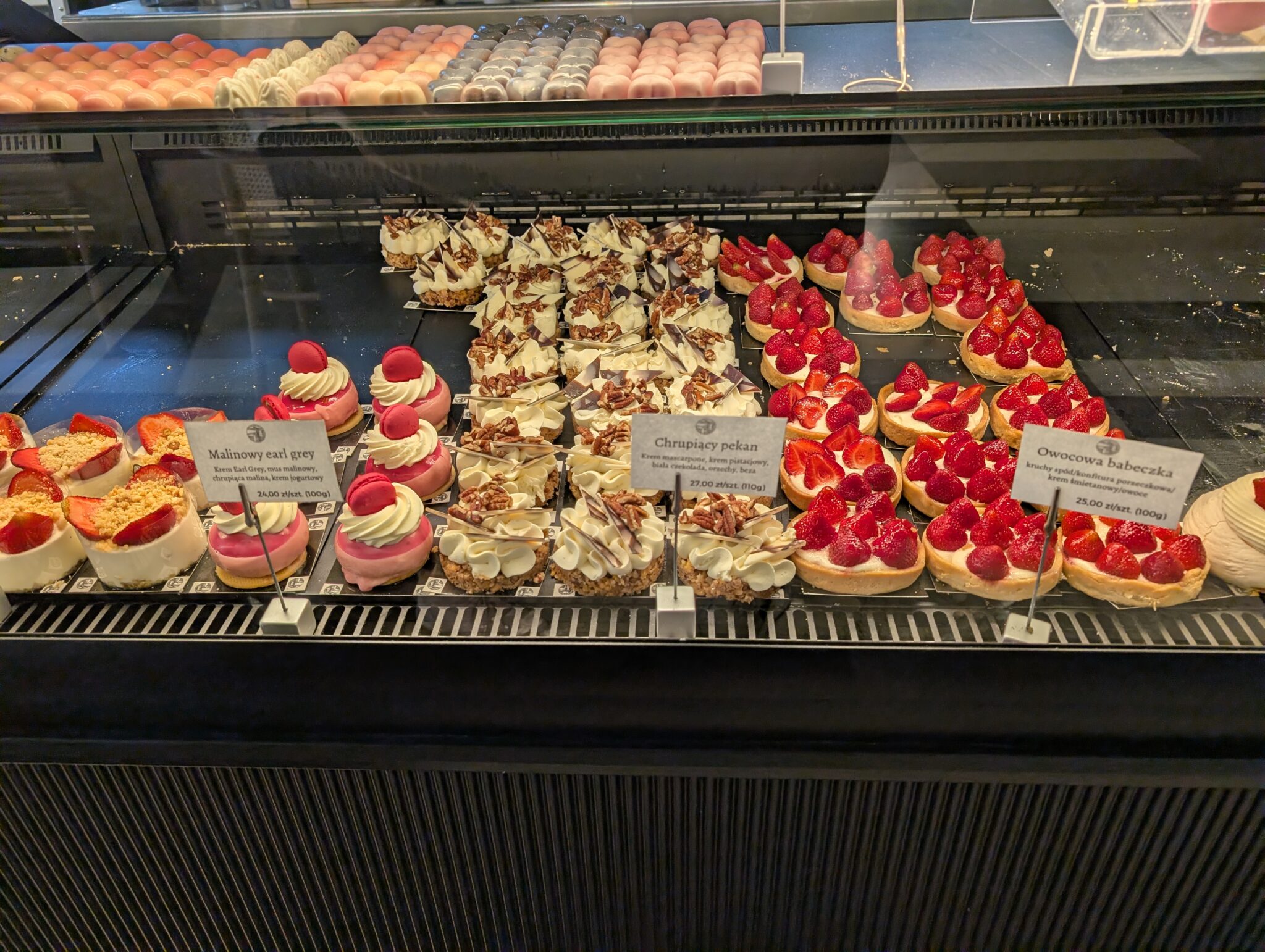
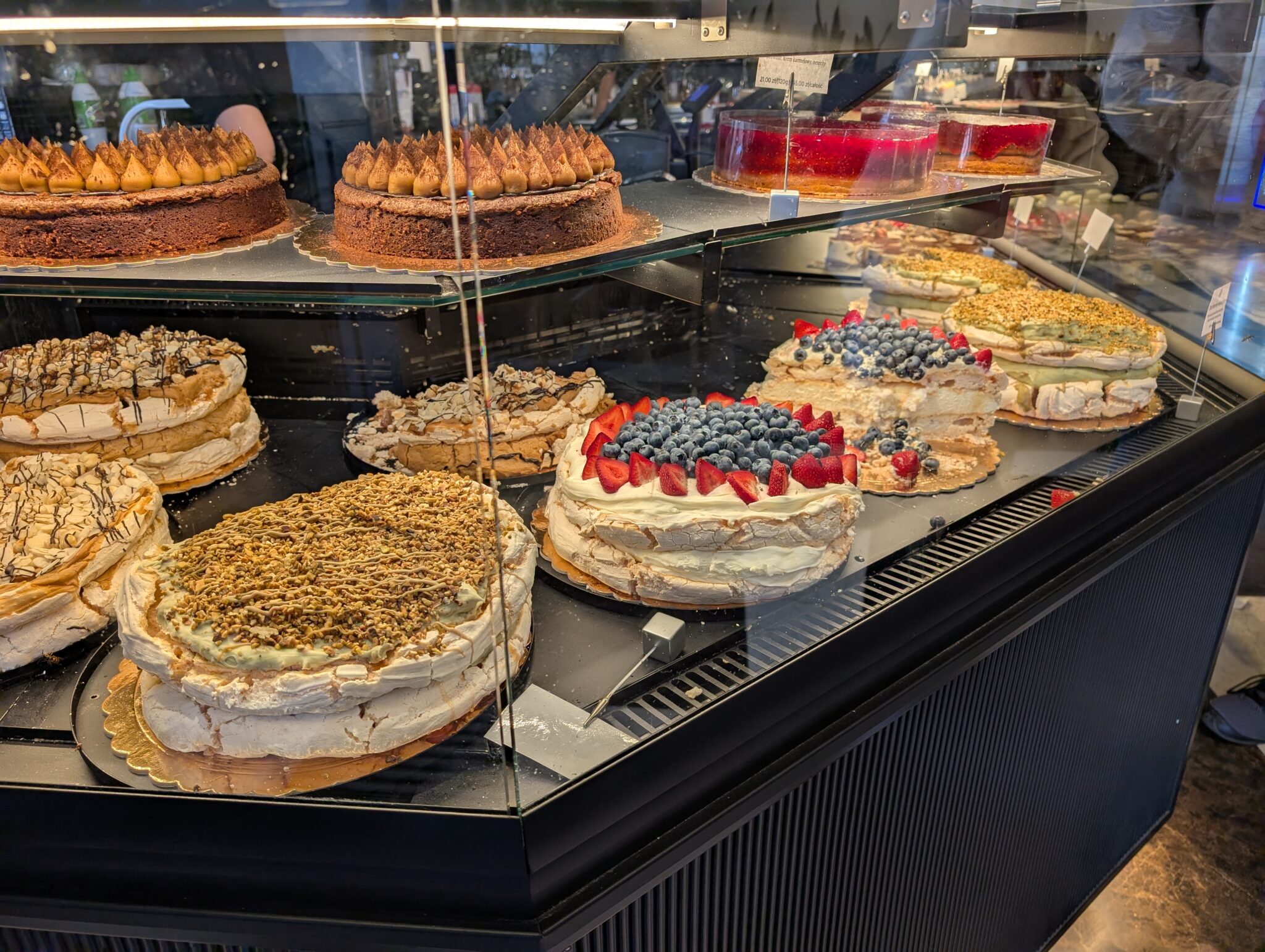
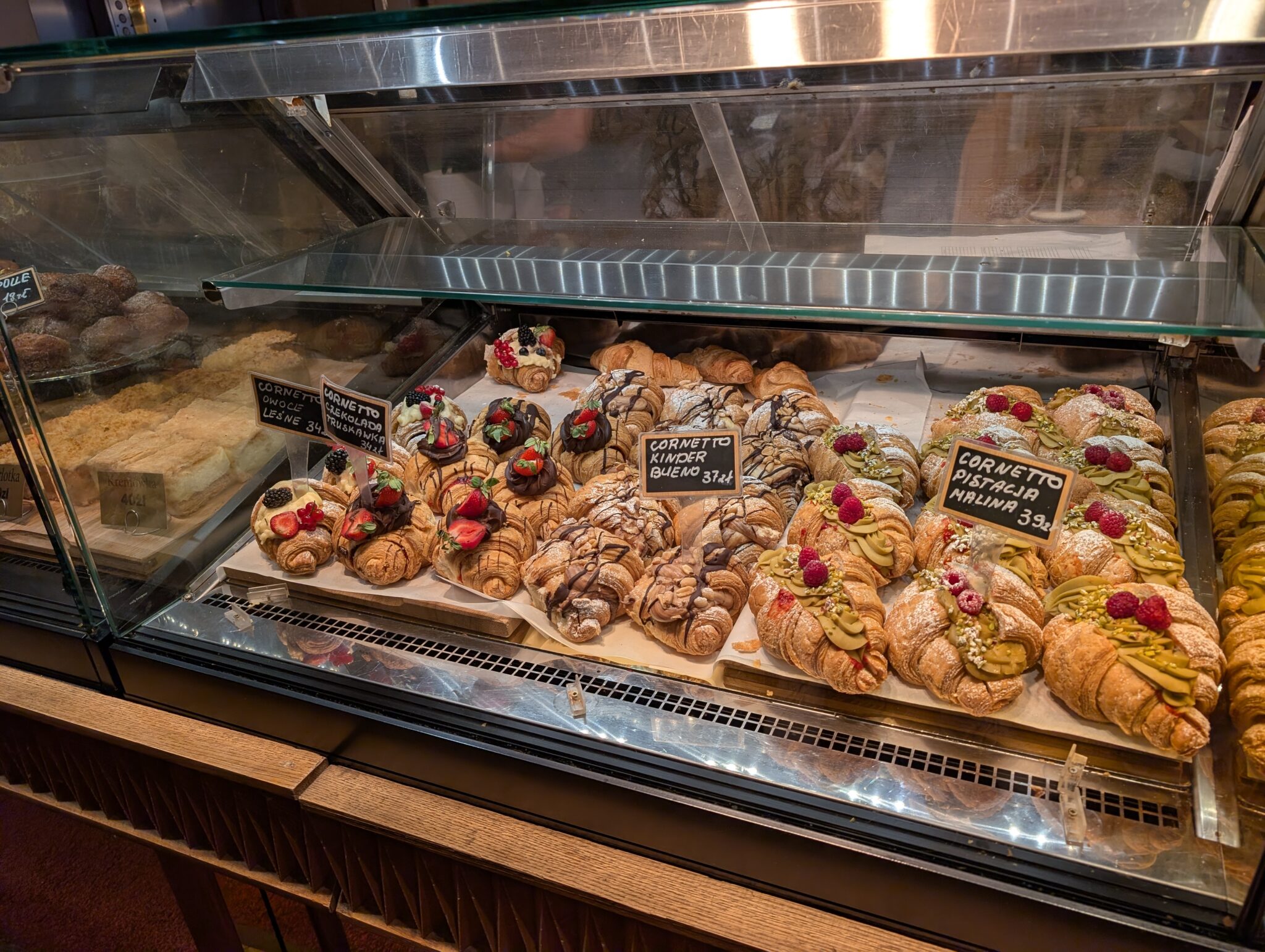
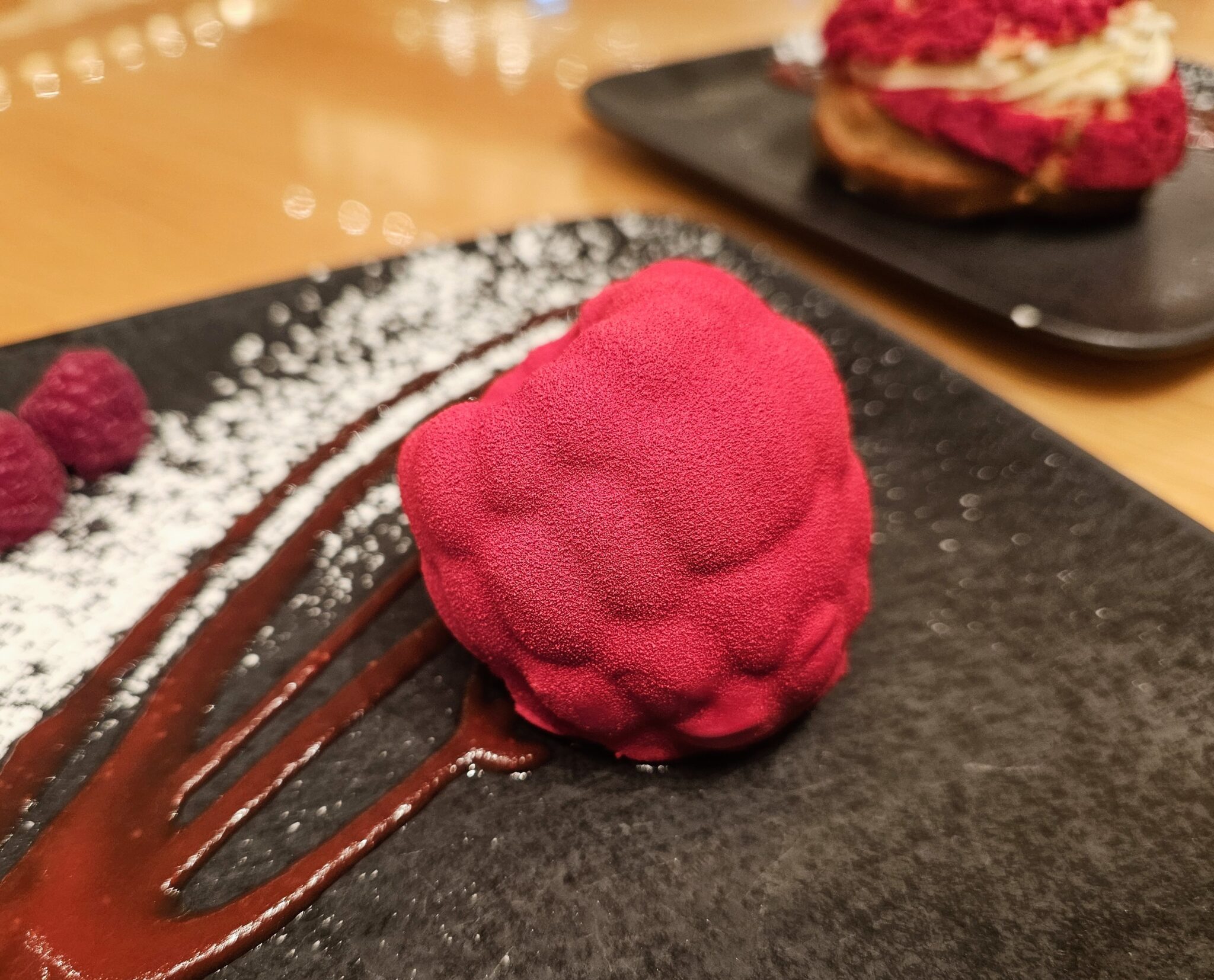
Ah, the desserts and pastries! You really can't visit Poland without noticing them because they seem to be everywhere. Bakery windows are filled with beautifully decorated cakes, flaky pastries and all kinds of sweet treats that look almost too pretty to eat. Almost.
The funny thing is that when you look at many of these desserts, you expect them to be ultra sweet. But I was pleasantly surprised to find that most weren't overwhelmingly sugary. Instead, the sweetness was often just right, with the pastry, fruit, cream or other fillings balancing everything out.
I have to admit, I gained a little weight during our week in Krakow, so I didn't sample nearly as many pastries as I would have liked. Believe me, this was a serious exercise in self-control! I saw plenty of desserts that looked absolutely irresistible but reminded myself that I couldn't possibly eat everything that caught my eye.
So, I'll let the pictures do some of the talking and share a few of the pastries and desserts I actually managed to try. If I had stopped for every one that made me say, "Oh, that looks good!", I probably would have needed to buy a larger suitcase—and a new wardrobe!
Look how indulgent this artisanal sculpted fruit-shaped mousse pastries is
Eating Our Way Through Krakow Old Town
To start our first full day in Krakow, we chose breakfast at Chleb and More, and it turned out to be a fantastic choice. They even have a bakery right in front of the restaurant, so you know you're in for a good start when you walk through the door!
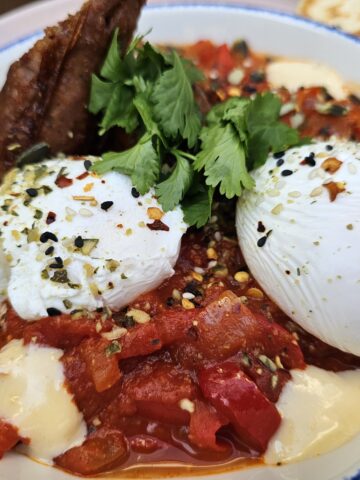
I ordered the Turkish eggs, which consisted of two poached eggs served over garlic labneh with aubergine, pomegranate, browned butter, coriander and mint, along with bread and butter. The combination was incredible. The creamy labneh, rich browned butter, bright pomegranate and fresh herbs all worked together with the perfectly poached eggs. It was definitely not the typical American breakfast, and that's exactly what I wanted.

Cottage cheese pancakes The fluffy pancakes were served with sweet cream, seasonal fruit and delicate meringue, creating a combination that was creamy, fruity and just the right amount of indulgent. 
Turkish eggs, two perfectly poached eggs served over creamy garlic labneh with tender aubergine, juicy pomegranate seeds, browned butter, fresh coriander and mint. The rich, buttery flavors were balanced by the tangy labneh, bright pomegranate and fresh herbs, while warm bread and butter made the perfect vehicle for scooping up every last bite.
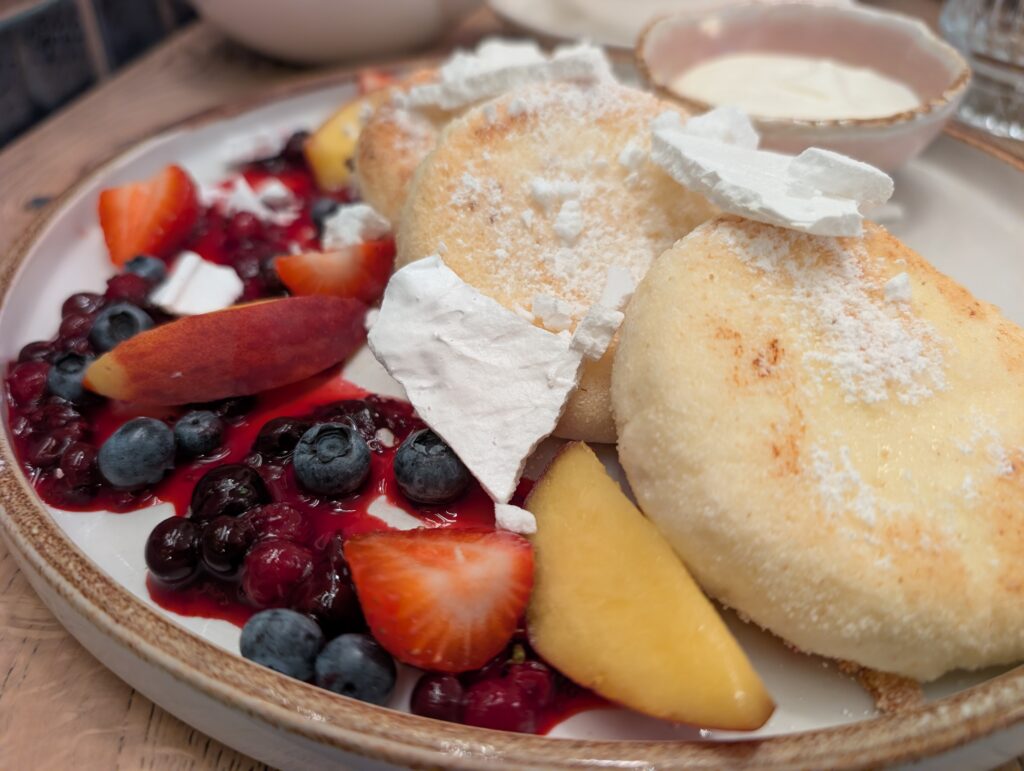
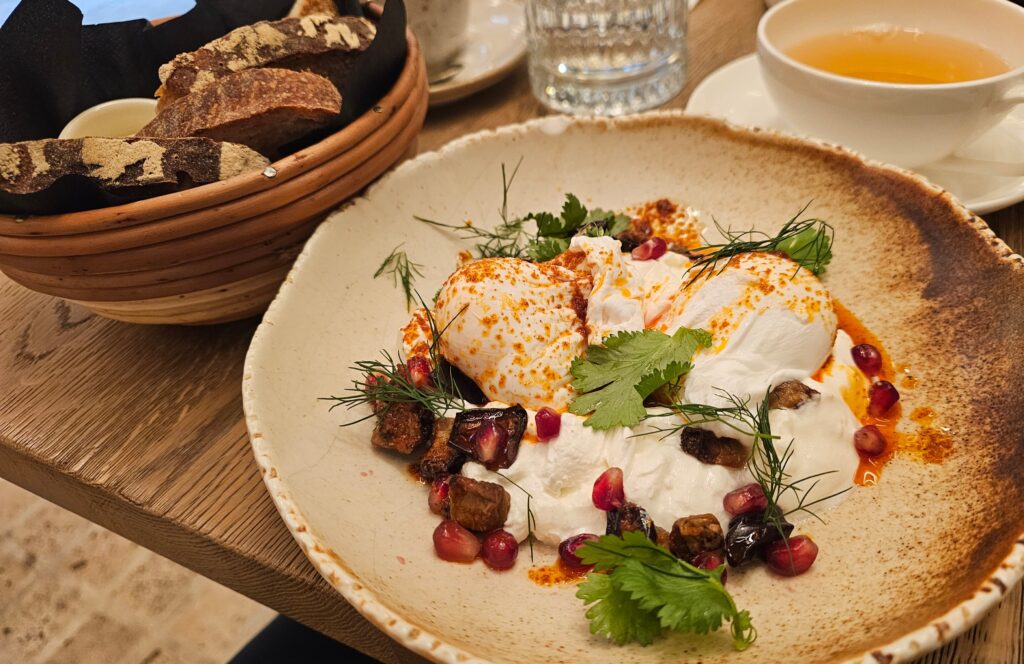
You will find interesting international influences throughout Krakow's food scene. Dishes with Turkish, Mediterranean and other Central European influences have found their way onto local menus, making breakfast a fun opportunity to try something you might not expect to find in Poland.
My husband went in a completely different direction with the cottage cheese pancakes, served with sweet cream, seasonal fruit and meringue. Cottage cheese shows up in many Polish dishes, but don't expect the chunky American-style cottage cheese you might be picturing. Polish twaróg, or farmer's cheese, is much smoother and has a mild, slightly sweet flavor. It is often used in desserts and pastries and makes a fantastic filling for pancakes. If you like pancakes but want to try it a little different try my Fluffy Lemon Pancakes or these indulgent Orange Ricotta Pancakes.
And then there was the sweet cream. Sour cream is a common accompaniment to many Polish dishes, although I found the versions we tried in Poland to be a little milder and creamier than what we're accustomed to in the United States. Paired with the sweet pancakes, fruit and meringue, it made for one seriously indulgent breakfast.
With our bellies full and plenty of coffee in us, we were ready to hit the streets and explore Krakow.
Exploring Krakow's Old Town
Like most visitors to Krakow, we started our day by exploring the Old Town, and honestly, it is hard to beat. One of the things I loved most about Krakow's historic center is how compact and walkable it is. Many of the major sights are clustered together, making it easy to spend the day wandering from one fascinating place to another without constantly jumping in a taxi or public transportation.
If you've read my Vienna, Austria post, you know I love using GPSmyCity to map out our stops when we travel. For Krakow, we shared my earbuds and listened to the audio guide as we walked. It was a great way to learn about the history behind the buildings and landmarks without having to follow a tour group around the city.
And the best part? We could walk at our own pace, stop whenever something caught our eye, and—of course—take a food break whenever we felt like it.
You can see many of Krakow's major Old Town sights in a single day, although I recommend slowing down and giving yourself time to actually enjoy the city rather than simply checking landmarks off a list.
Main Market Square — Rynek Główny
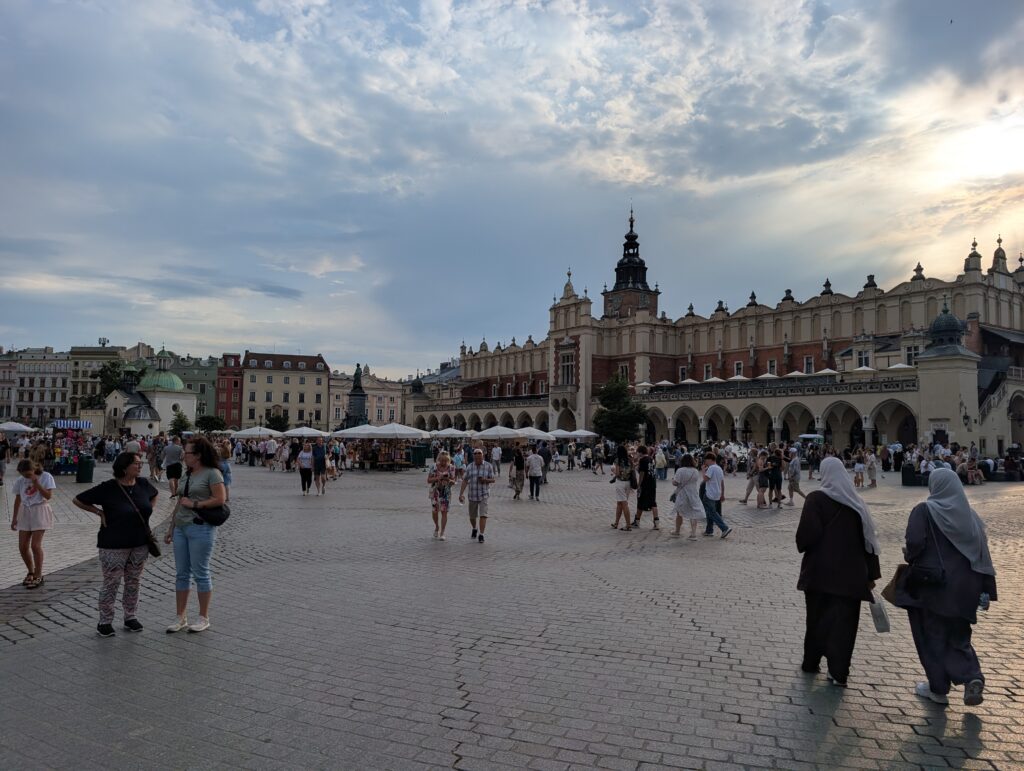
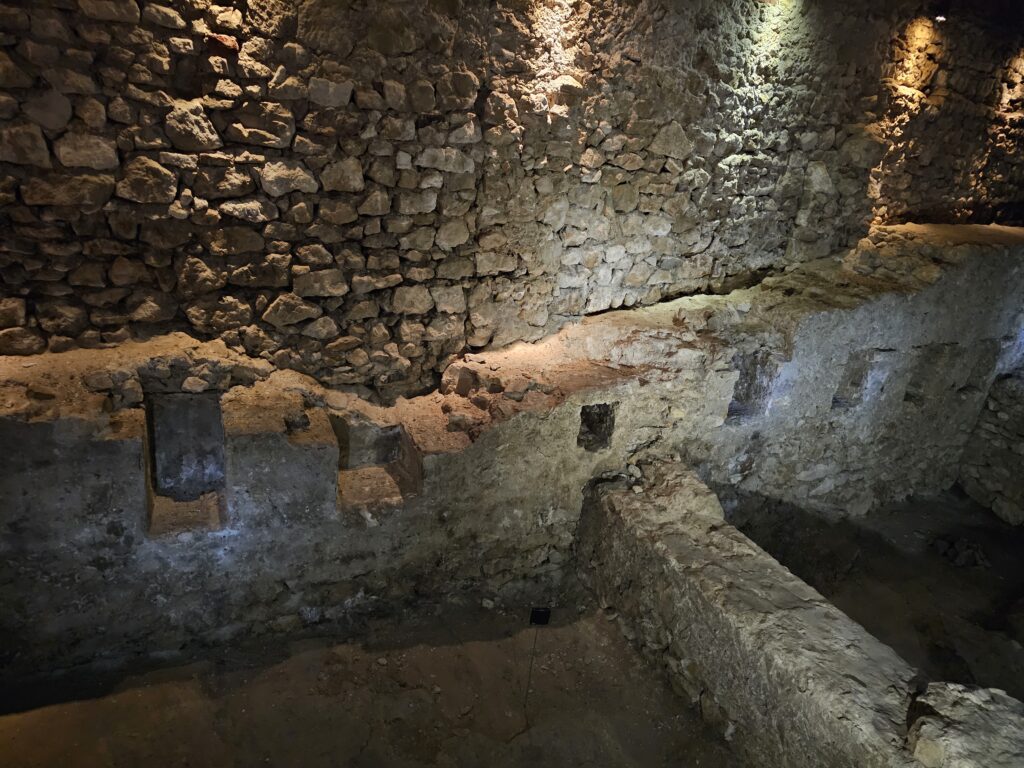
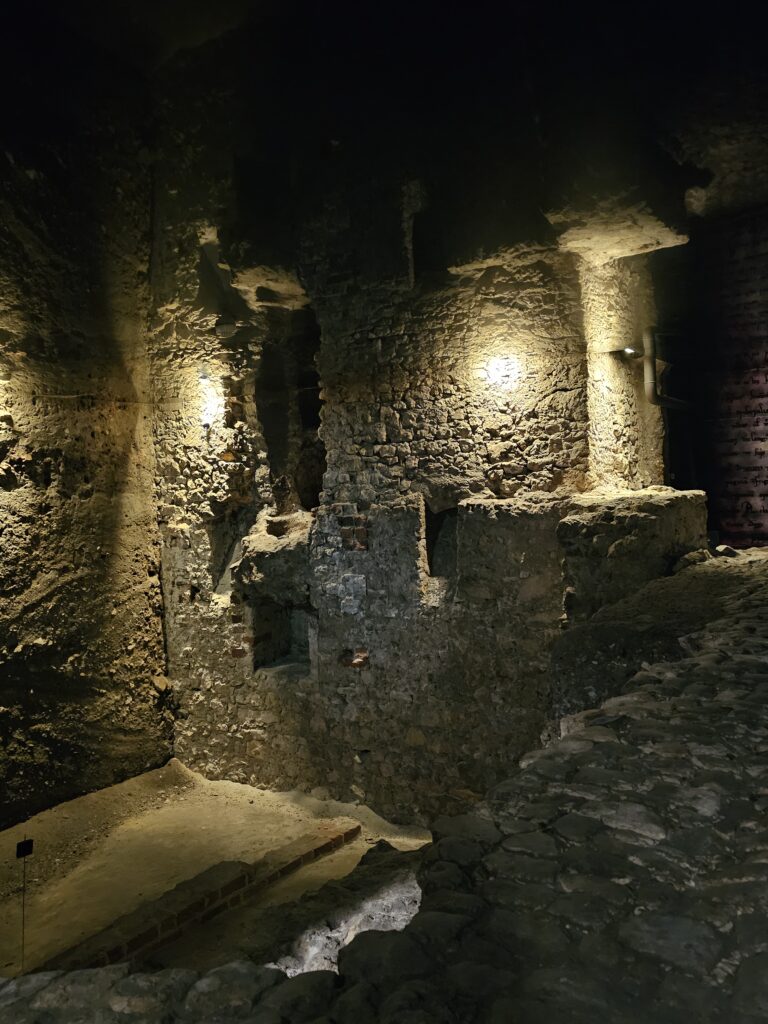
Our first stop was practically right outside the doors of Chleb and More: Rynek Główny, Krakow's Main Market Square.
This enormous historic square has been at the heart of Krakow for centuries. During medieval times, it was a bustling center of trade and city life, and today it is still one of the liveliest places in Krakow—only now the merchants have been joined by cafés, restaurants, tourists and street performers.
During the day, especially in the summer, the square is full of people eating, laughing, taking photos and enjoying the surrounding historic buildings. Restaurants and cafés completely encircle the square, making it a pretty spectacular place to sit down with a drink or meal and simply watch the world go by.
But as the sun begins to set, the square seems to come alive all over again.
Street entertainers begin appearing, musicians set up, crowds gather and the outdoor cafés fill up. You can quickly tell which performers are the crowd favorites because they attract the biggest groups. One musician even had people dancing along to his music—young and old alike. We could have stood there for hours just people-watching.
And Krakow's Old Town really does seem to have a nightlife of its own. One morning, I woke up around 3:00 a.m., looked out our window and could still see people wandering through the streets. To make things even better, the local doughnut shop was still open and selling doughnuts!
Let's just say Krakow's Old Town does not seem to believe in bedtime.
There is something pretty special about being able to walk out your door and immediately find history, food, music and people all around you.
St. Mary's Basilica
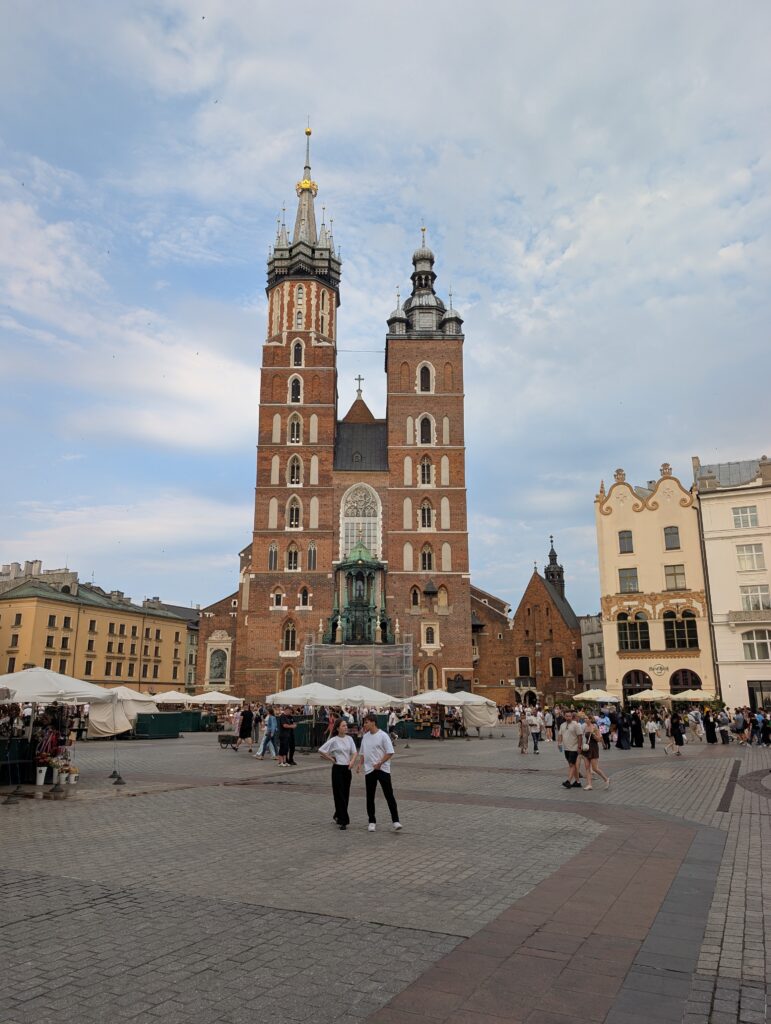
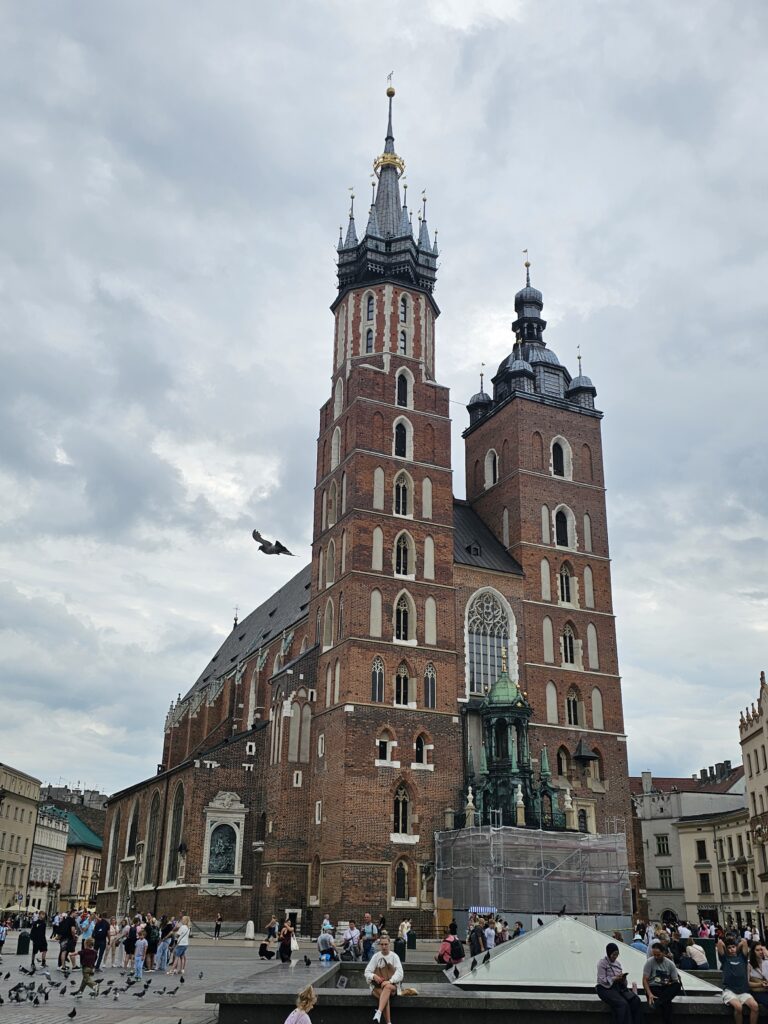
When you're in Europe, one of my favorite things to do is visit the churches. They are often incredibly beautiful, and you can spend as much time admiring the architecture and artwork as you do learning about their history.
Right on the Main Market Square is St. Mary's Basilica, a stunning 14th-century Brick Gothic church. It is best known for its magnificent wooden altarpiece carved by Veit Stoss and the hourly trumpet call, known as the Hejnał mariacki, played from the taller of its two towers.
The trumpet call has an interesting story behind it. According to tradition, a medieval trumpeter sounded the alarm when he spotted an approaching invasion but was struck by an enemy arrow before he could finish the song. That's why the melody suddenly stops.
And because this is a food-focused travel story, of course we couldn't walk away from the basilica without finding something to eat!
Just outside the church, we stopped at one of the many street vendors selling obwarzanek krakowski, a traditional Krakow bread that looks like a cross between a bagel and a pretzel.
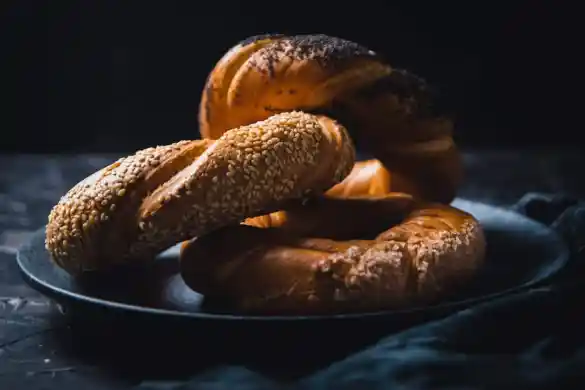
These chewy rings are briefly boiled in water before being baked, which gives them their characteristic shiny, golden crust. They can be topped with things like coarse salt, poppy seeds or sesame seeds.
I chose one with coarse salt, and it was the perfect walking snack. The outside was golden and slightly crunchy while the inside was soft, chewy and just a little sweet.
Who needs a fancy restaurant when you have a warm Krakow street snack in your hand?
Cloth Hall — Sukiennice
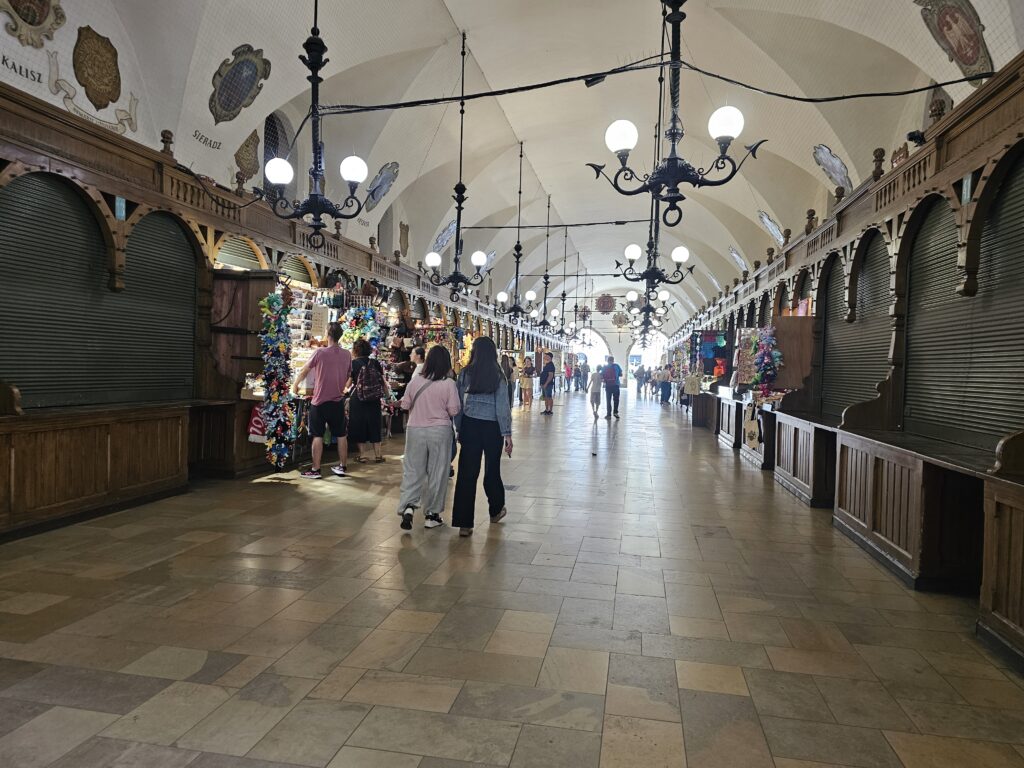
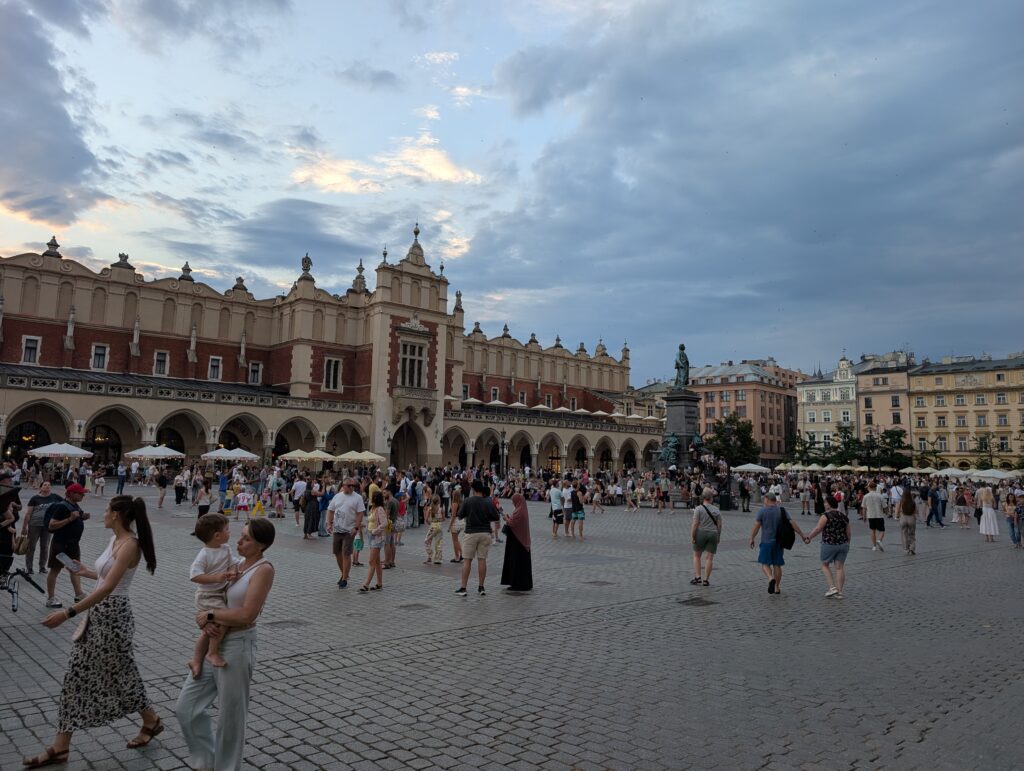
Just a minute's walk from St. Mary's Basilica is Cloth Hall, known locally as Sukiennice, sitting right in the center of the Main Market Square.
The building dates back to medieval times, when Krakow's merchants used the market for trading goods. Over the centuries it has been rebuilt and renovated, eventually taking on the beautiful Renaissance appearance you see today.
The first floor is now filled with vendors selling souvenirs, jewelry, crafts and other items, and it can get quite busy with visitors wandering through the stalls.
But there is much more to Cloth Hall than shopping. The upper floor houses the Gallery of 19th-Century Polish Art, while beneath the square is the Rynek Underground Museum, an archaeological museum where you can see remnants of Krakow's medieval past, including old roads, merchant stalls and other discoveries from beneath the Main Market Square.
I love places like this because you're literally walking through layers of history. You can stand in the middle of a busy tourist square while, just a few feet below you, remnants of medieval Krakow are still preserved.
And after all that walking, we were ready for a little caffeine.
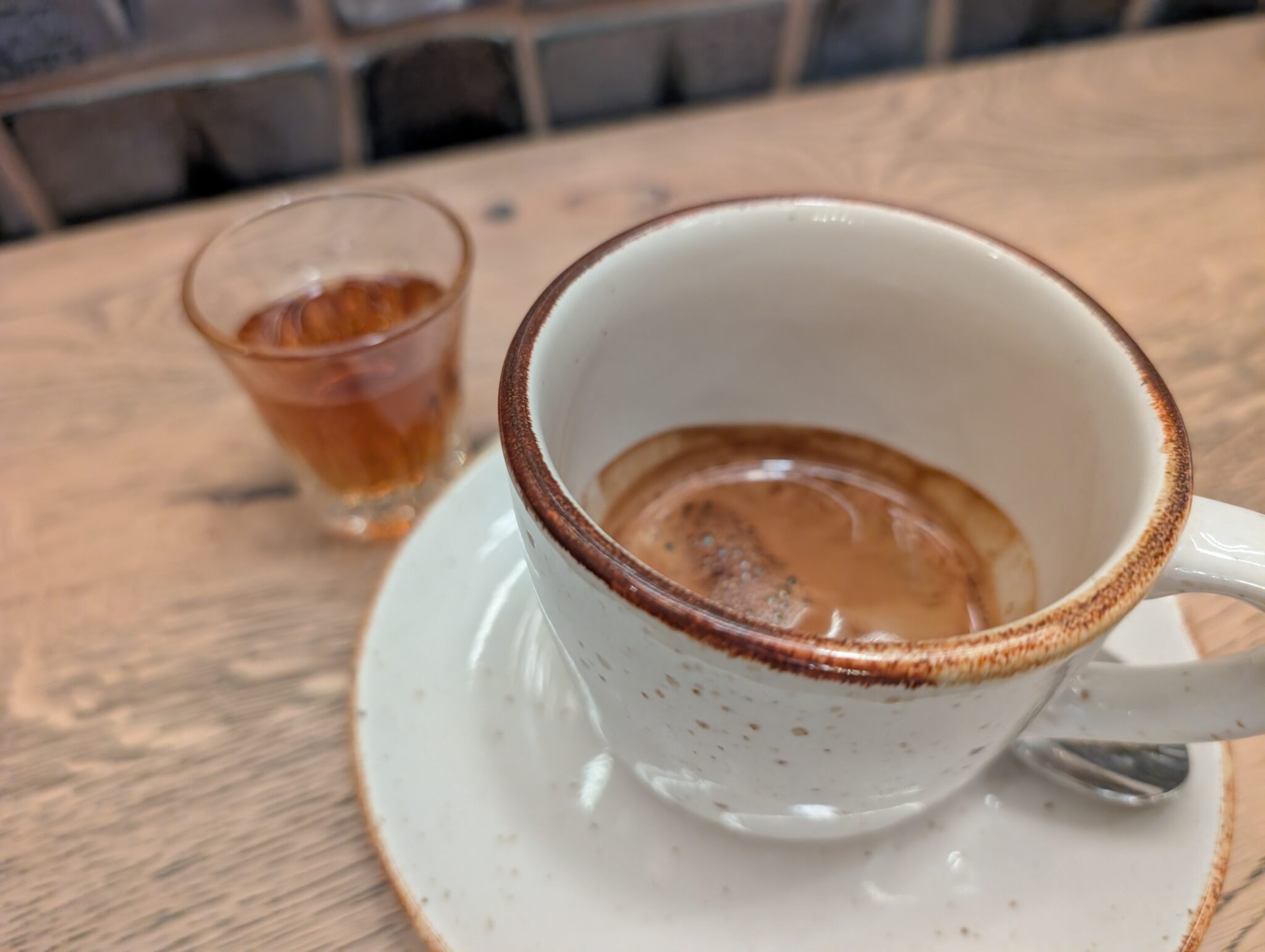
We stopped at Szat, a rooftop café, for an espresso and some fantastic views over Krakow. There's nothing like sitting down with a coffee, looking over the rooftops and realizing just how much of the city you've already walked through.
Our Krakow Old Town Walking Route
We used the GPSmyCity Krakow Old Town Walking Tour as our guide and mapped out the major historic stops along the way. Sharing earbuds and listening to the audio descriptions made it feel like we had our own private walking tour—just without having to keep up with a group.
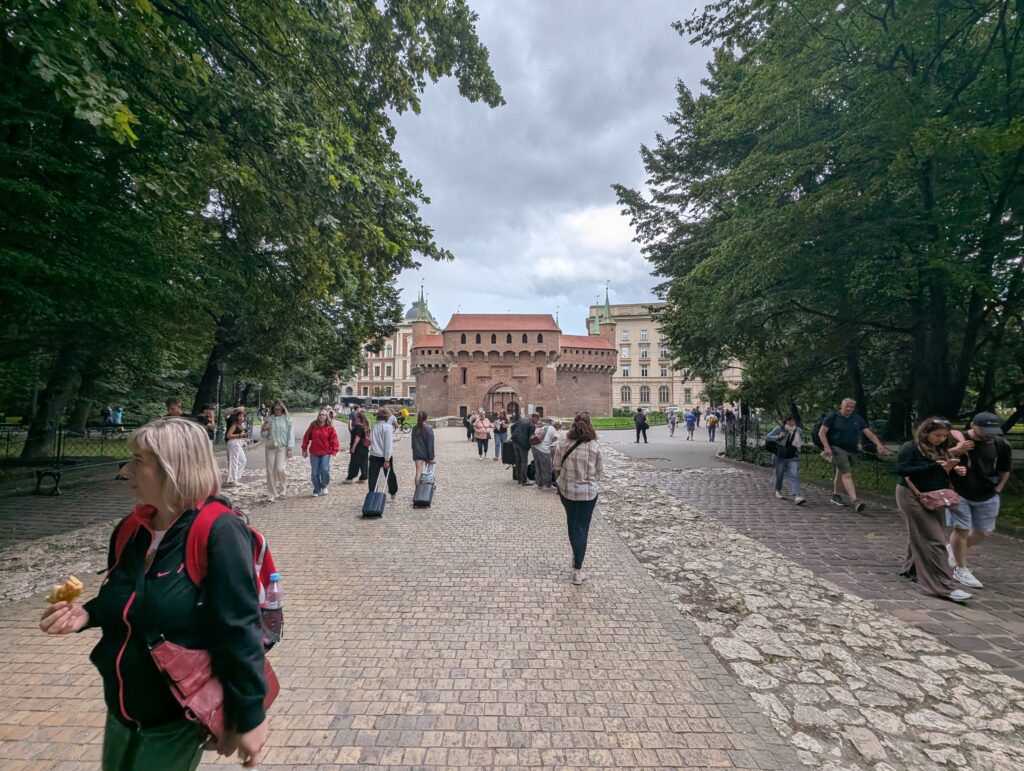
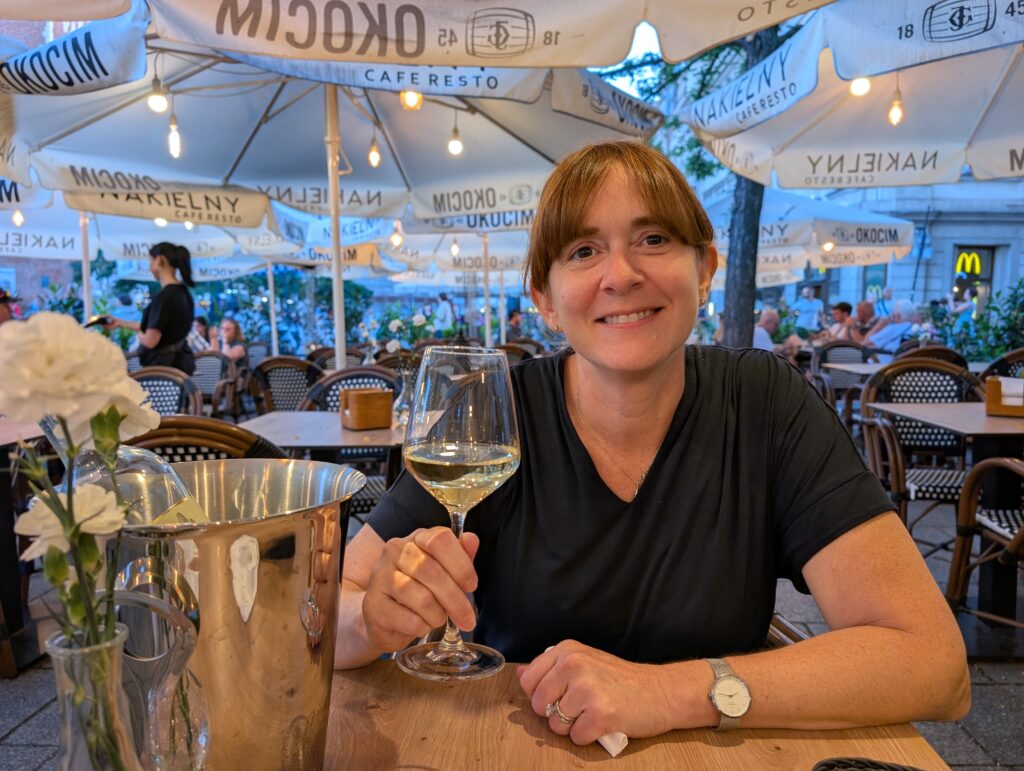
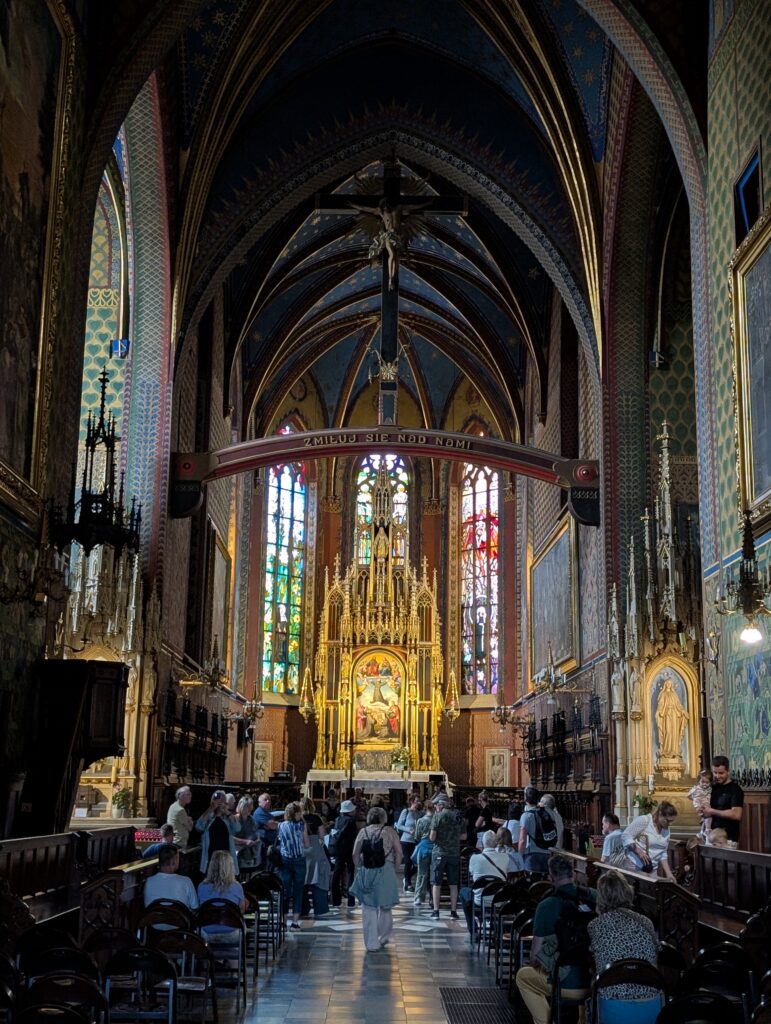
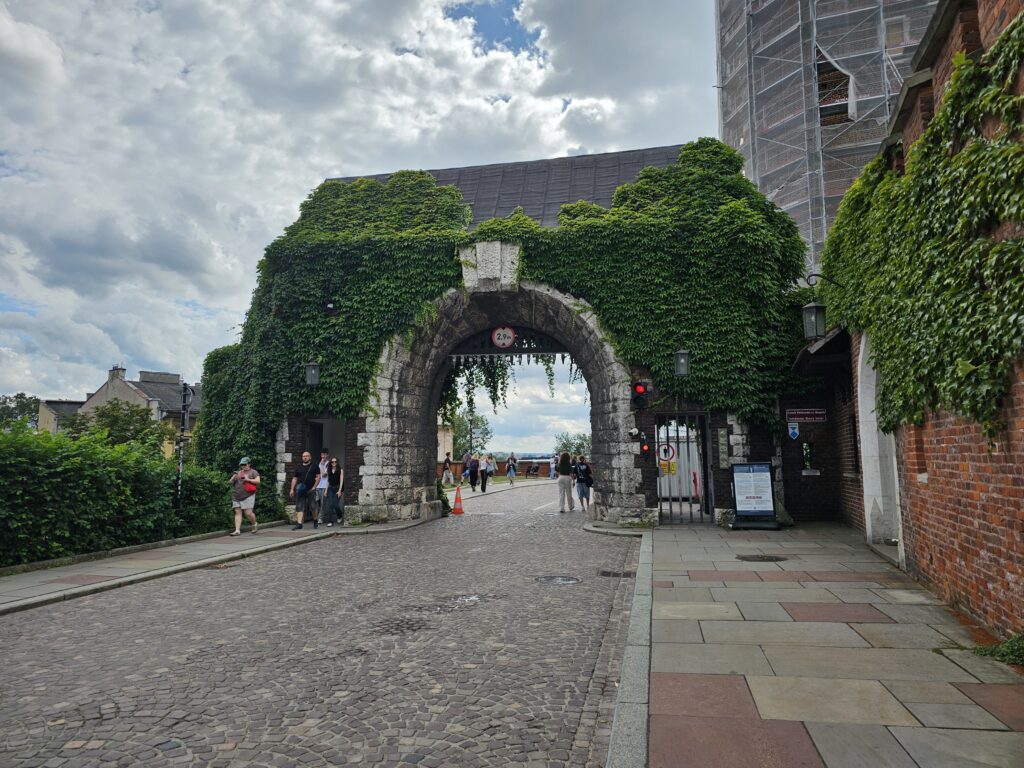
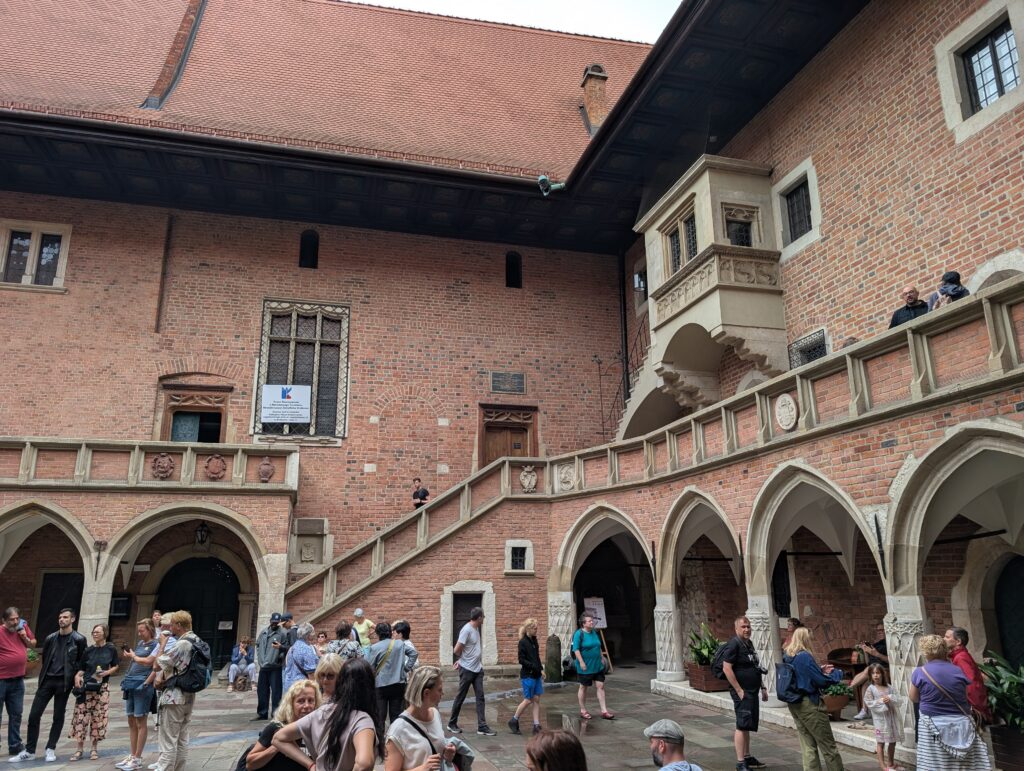
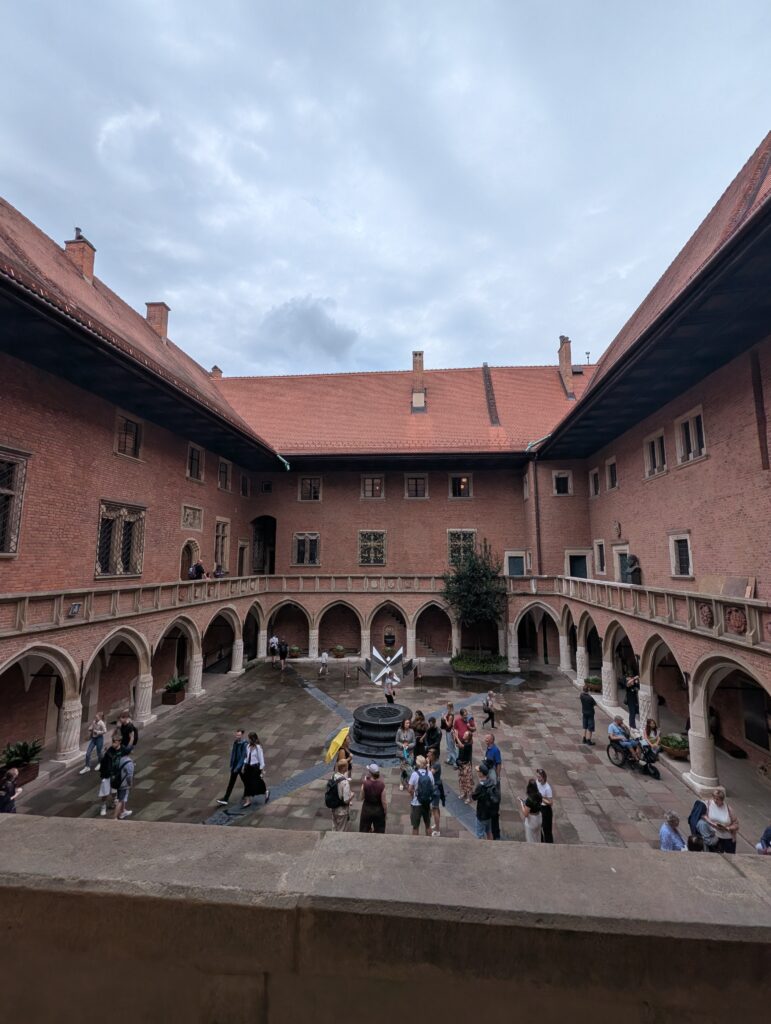
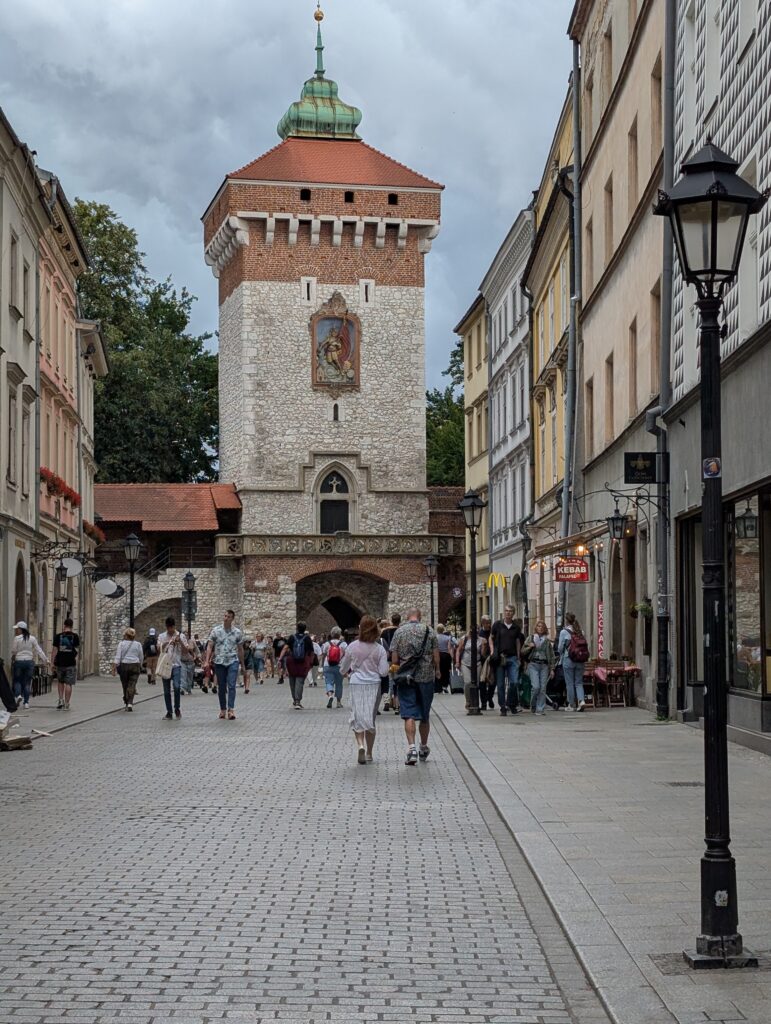
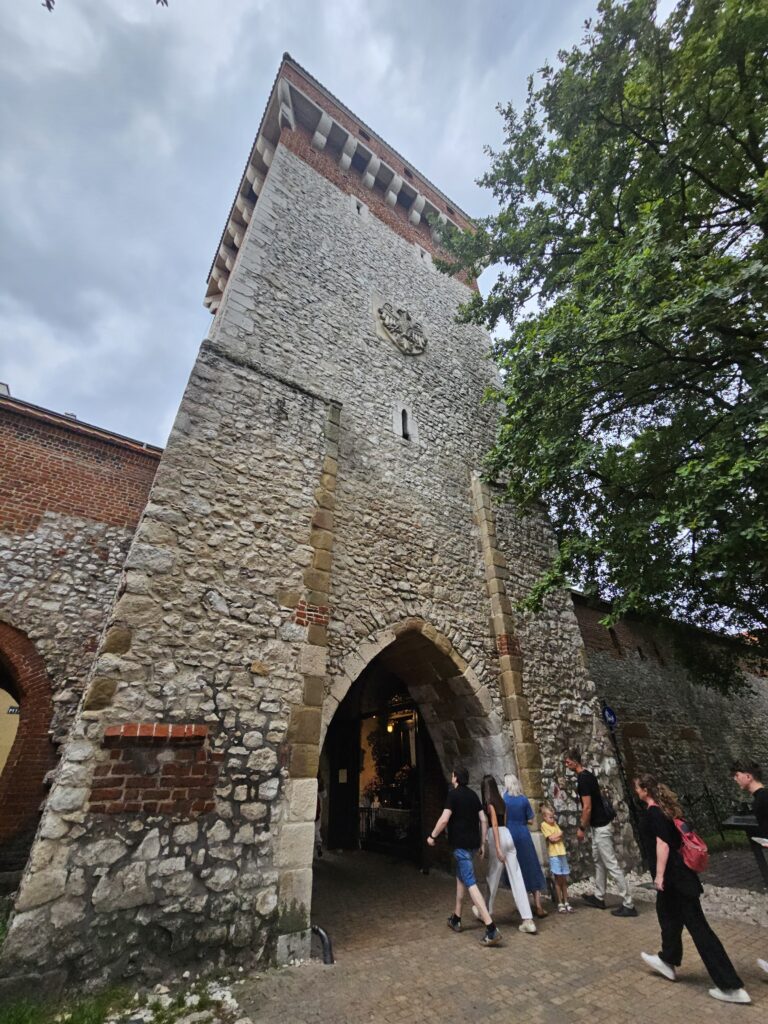
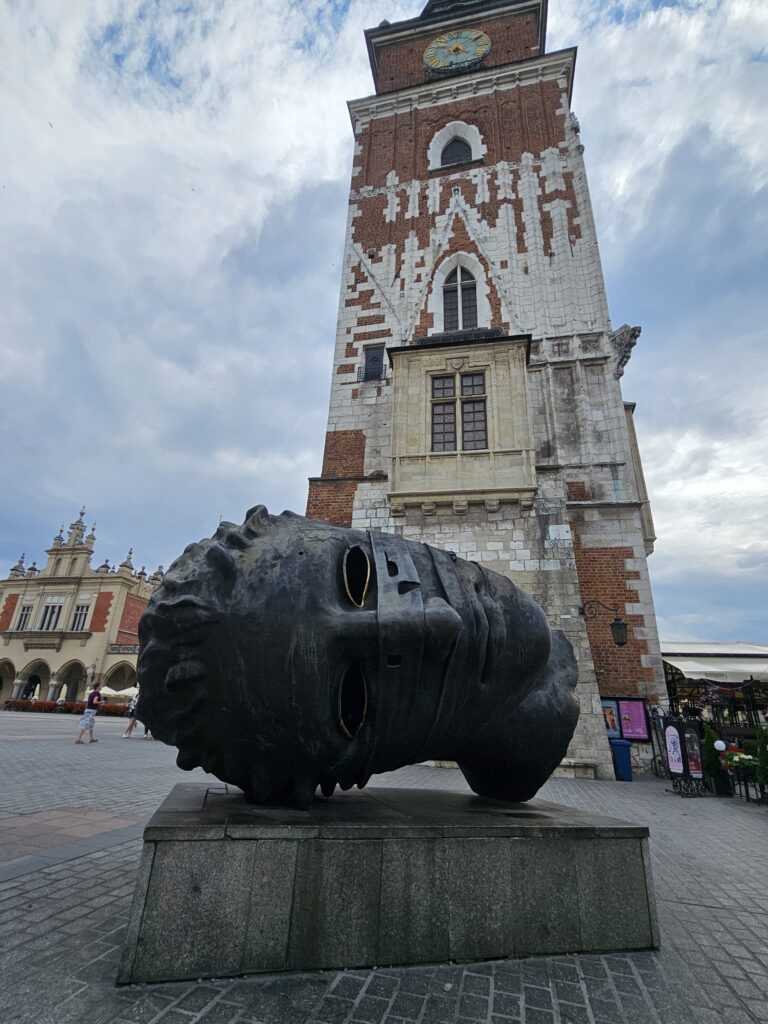
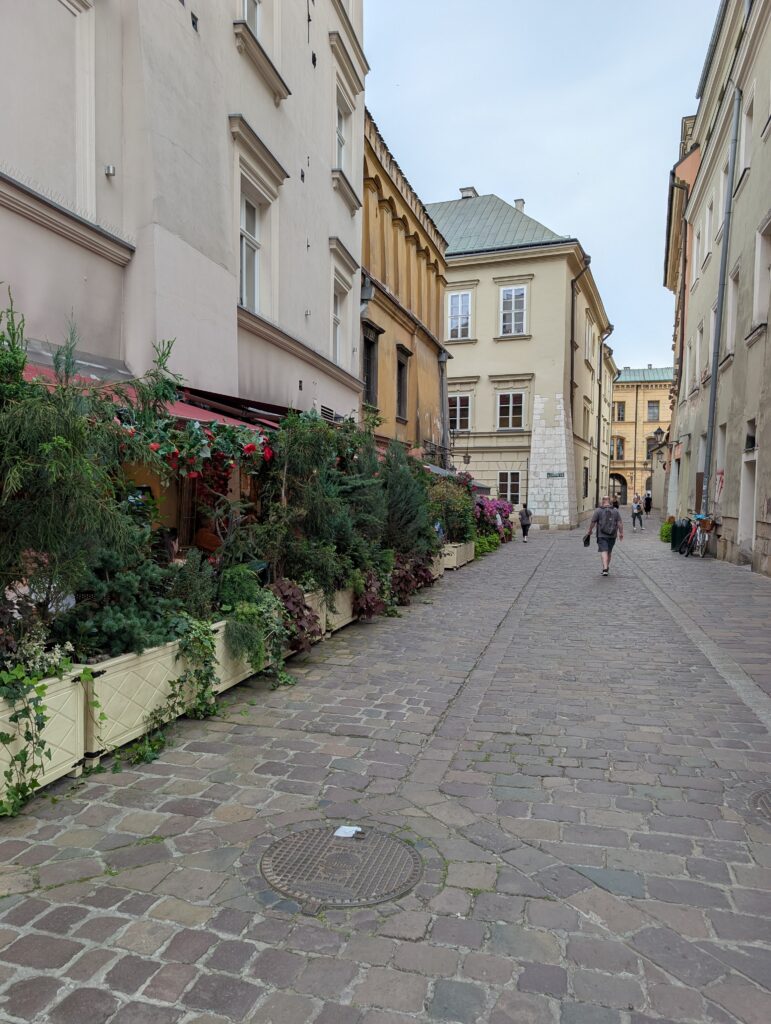
Our route included:
- Town Hall Tower
- Rynek Główny (Main Market Square)
- Sukiennice (Cloth Hall)
- Underground Main Square Museum
- Basilica of St. Mary
- Floriańska Street
- St. Florian's Gate
- The Barbican
- Planty Park
- Collegium Maius
- Basilica of St. Francis
- Wawel Cathedral
- Wawel Royal Castle
The great thing about doing it this way was that we could stop whenever we wanted. And in Krakow, there is always something worth stopping for—whether it's a historic building, a bakery window or a restaurant menu.
Wawel Royal Castle
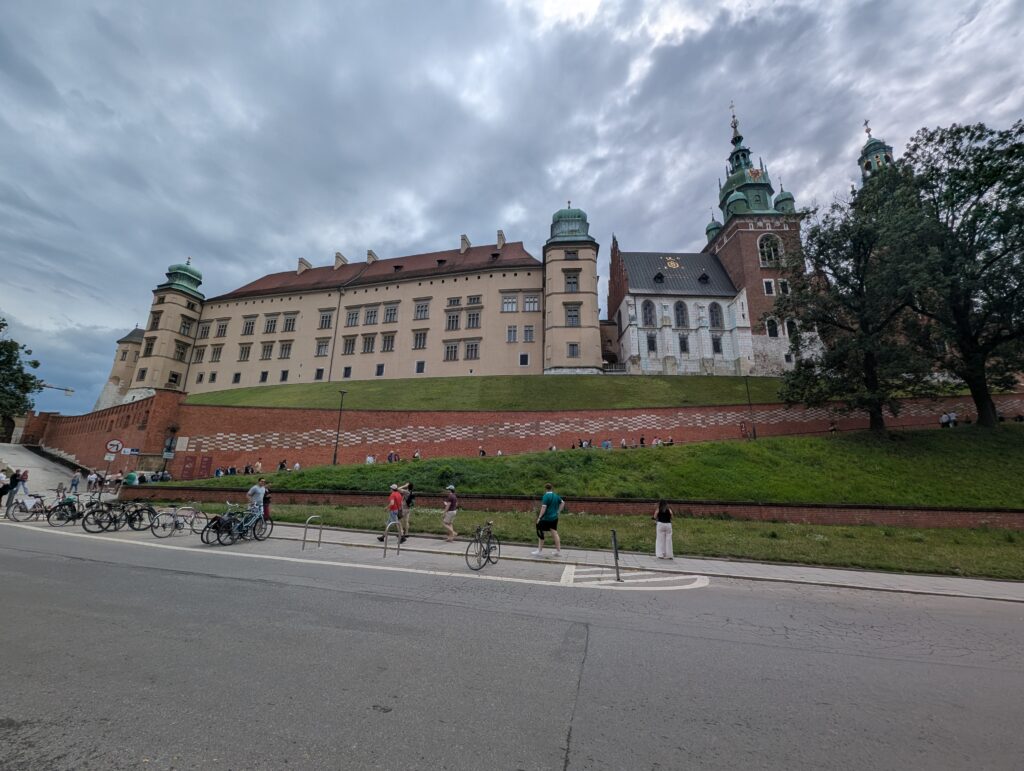
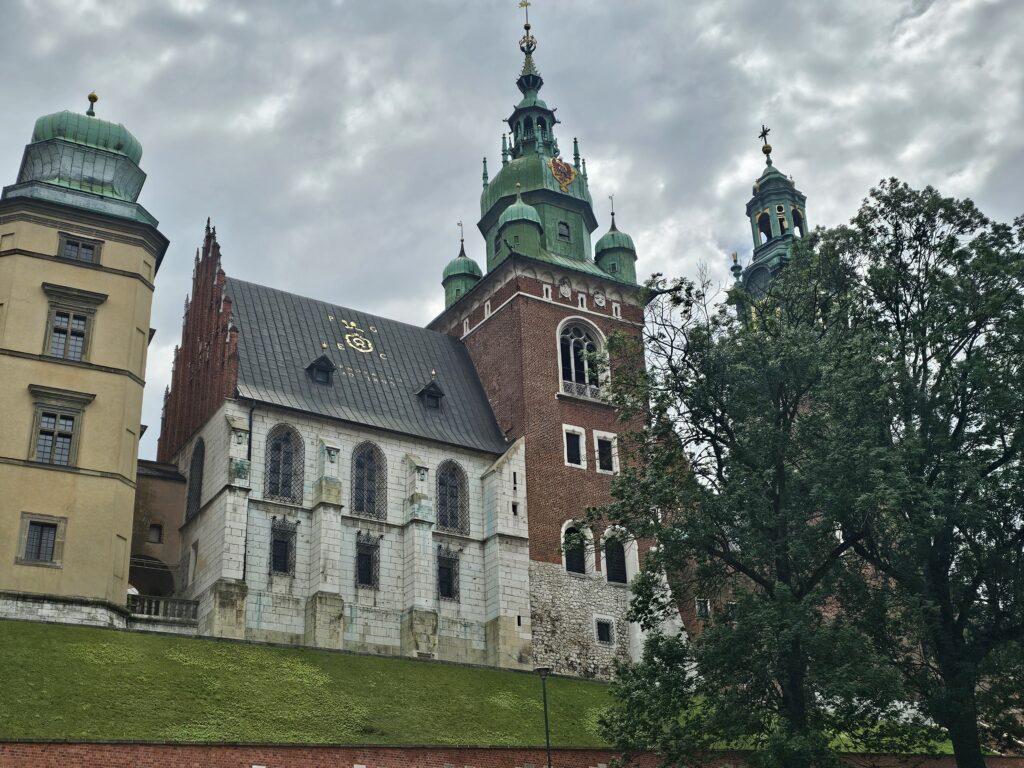

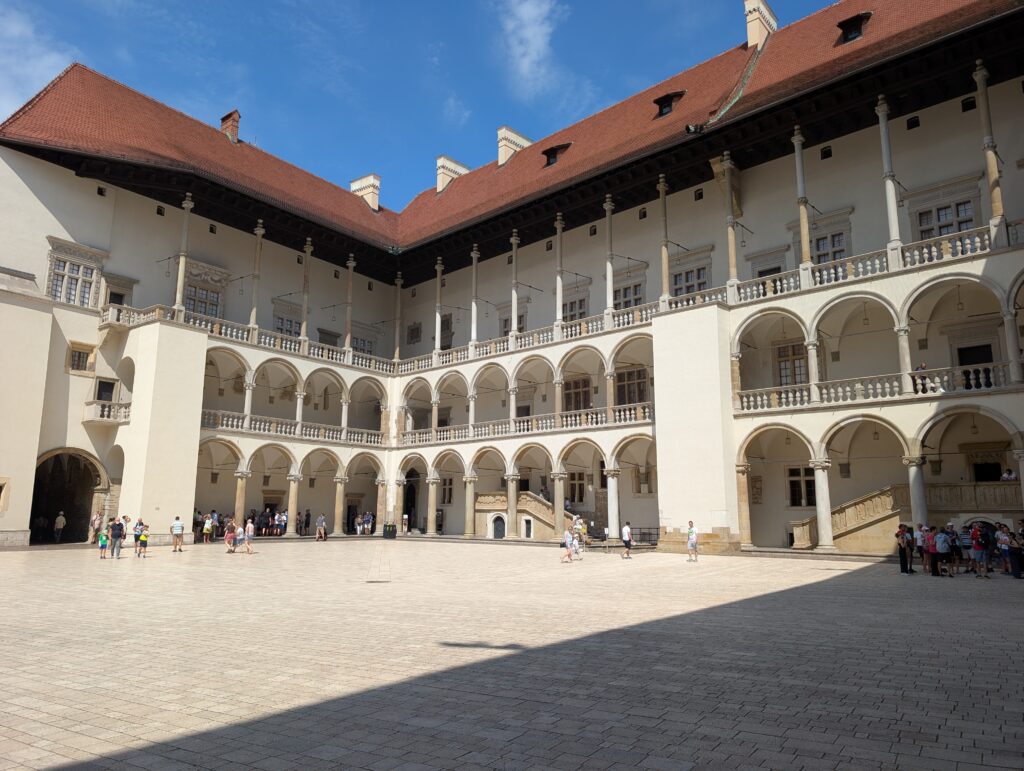
If you're like me, I love visiting castles and getting a glimpse into how royalty once lived. Wawel Royal Castle is the perfect place to do just that.
Perched on Wawel Hill overlooking the Vistula River, the castle is one of Krakow's most important historic landmarks and one of the most significant sites in Poland.
For centuries, Wawel was the residence of Polish kings and an important center of political and cultural life. Today, the castle is a museum filled with historic interiors, artwork, tapestries, furniture, armor and other treasures from Poland's royal past.
The architecture itself tells the story of the castle. What began as a medieval royal residence was transformed during the 16th century into a magnificent Italian Renaissance palace. One of the most recognizable features is the beautiful arcaded courtyard, which is especially impressive when you're standing there looking up at the surrounding buildings.
For us, visiting Wawel was about more than seeing another beautiful European castle. Walking through the grounds, admiring the architecture and looking out over Krakow gave us a much better appreciation for the layers of history surrounding the city.
And, of course, after spending some time imagining what life must have been like for Polish royalty, we were ready to get back to exploring Krakow the way we love to—through its food.
Wawel Dragon's Den
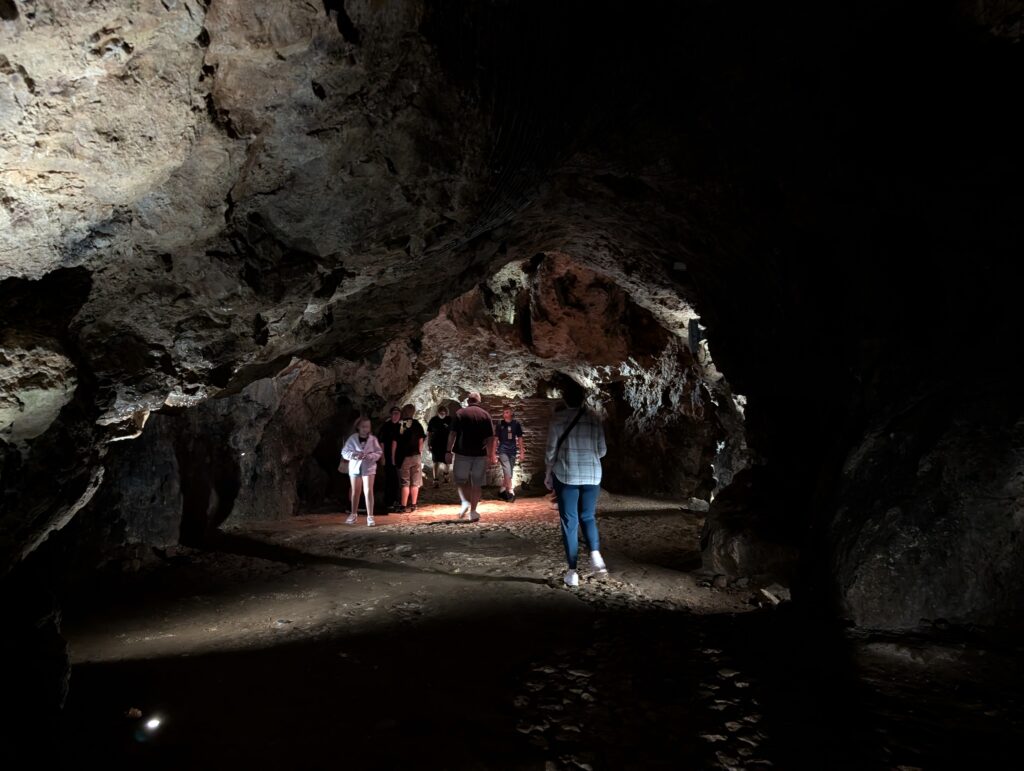
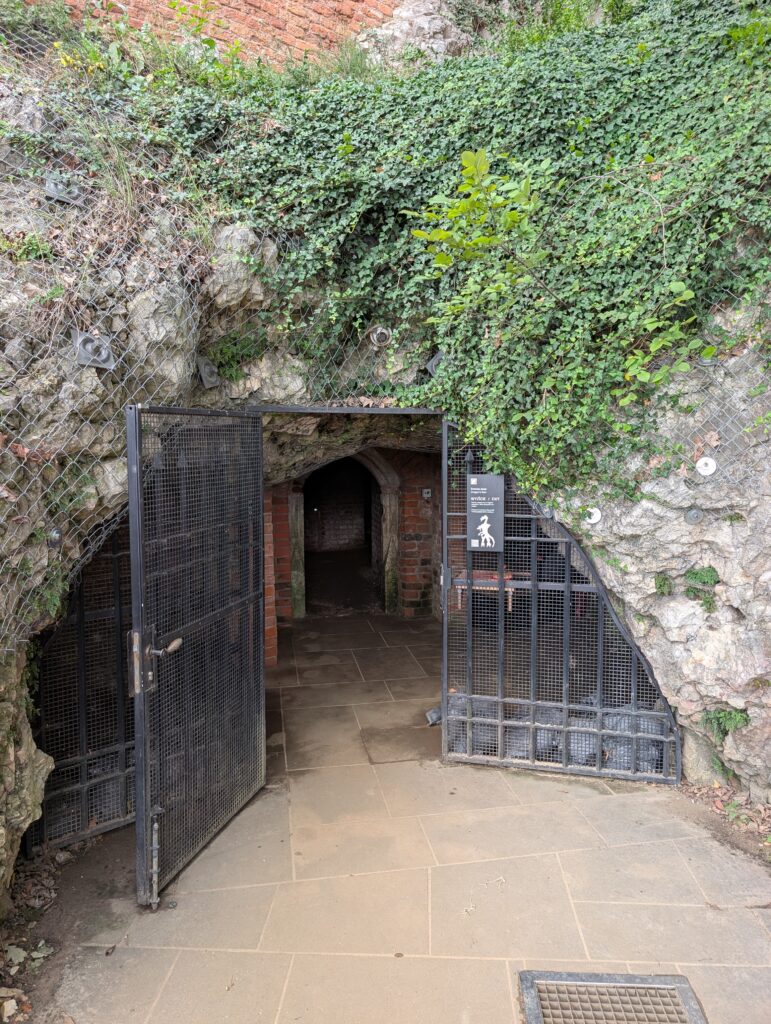
If you're traveling with kids—or you're simply a kid at heart—Dragon's Den is a fun addition to your Wawel visit.
To enter the cave, you descend a 135-step spiral staircase through the Thieves' Tower on the castle grounds. The underground route is relatively short, winding through several limestone chambers before eventually bringing you out at the base of Wawel Hill.
The cave has its own place in Krakow's legends, thanks to the famous Wawel Dragon. It's a fun way to add a little adventure to your castle visit, and the fact that you finish your walk at the bottom of the hill makes it a pretty convenient way to continue exploring the city.
Krakow's Historic Streets
One of my favorite things about walking through Krakow is that you don't have to be standing in front of a major landmark to feel like you're experiencing something special.
As we wandered the cobblestone streets of the Old Town, we could almost taste the food in the air. Bakeries, cafés and restaurants seemed to be around every corner, and the smell of fresh bread and pastries made it very difficult to walk anywhere without stopping.
My advice? Don't be afraid to wander outside the busiest tourist areas. Some of the best experiences can happen when you simply turn down a side street and see where it takes you.
We found a little corner grocery store where we picked up coffee to make in our room and supplies for lunch the next day. We were heading to Auschwitz, where food options are limited, so we decided to pack our own lunch.
We found local cheese, hummus, lettuce and tomatoes and put together some simple sandwiches. And, naturally, we couldn't leave the store without picking up pastries.
I've noticed this throughout Central Europe—grocery stores often have an incredible selection of fresh pastries, and Krakow was no exception. I have a particular weakness for those chocolate-filled, croissant-like pastries, so this was an easy decision.
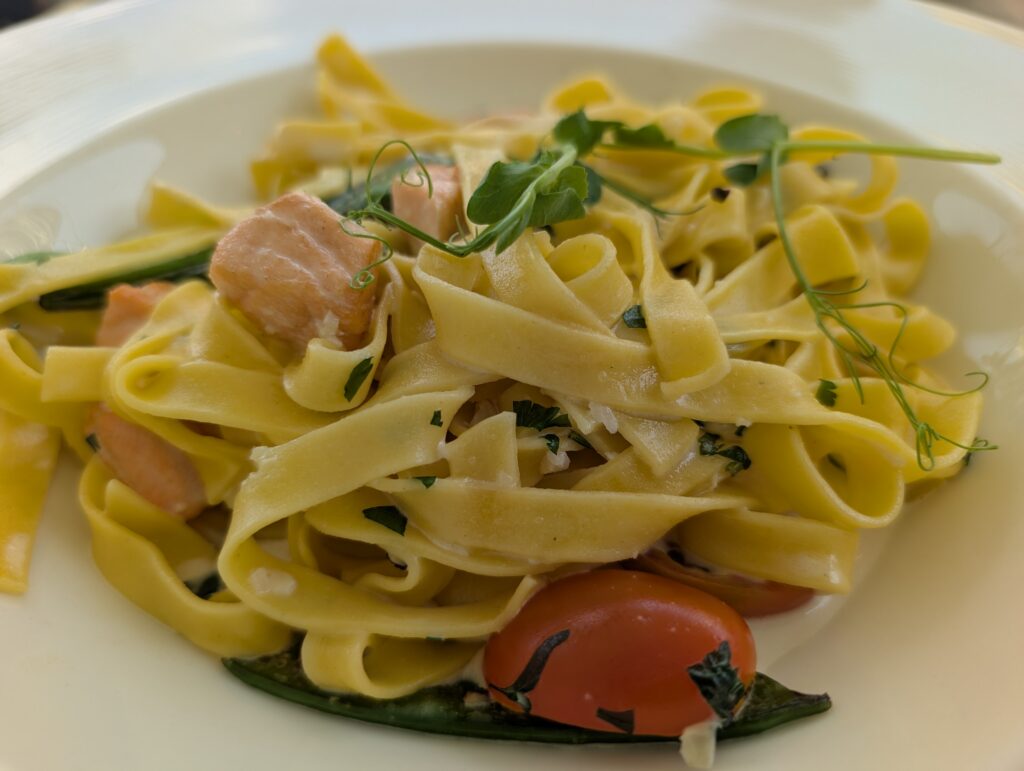
Of course, wandering eventually made us hungry again, so we stopped at another restaurant and discovered gnocchi stuffed with truffle paste and a delicious linguini salmon dish.
Wide ribbons of pasta tossed with tender pieces of salmon, green vegetables and cherry tomatoes, then finished with fresh herbs and delicate pea shoots. 
Tender, golden gnocchi filled with a rich, earthy truffle paste adding incredible depth of flavor. The soft gnocchi paired beautifully with peppery fresh arugula and juicy tomatoes.
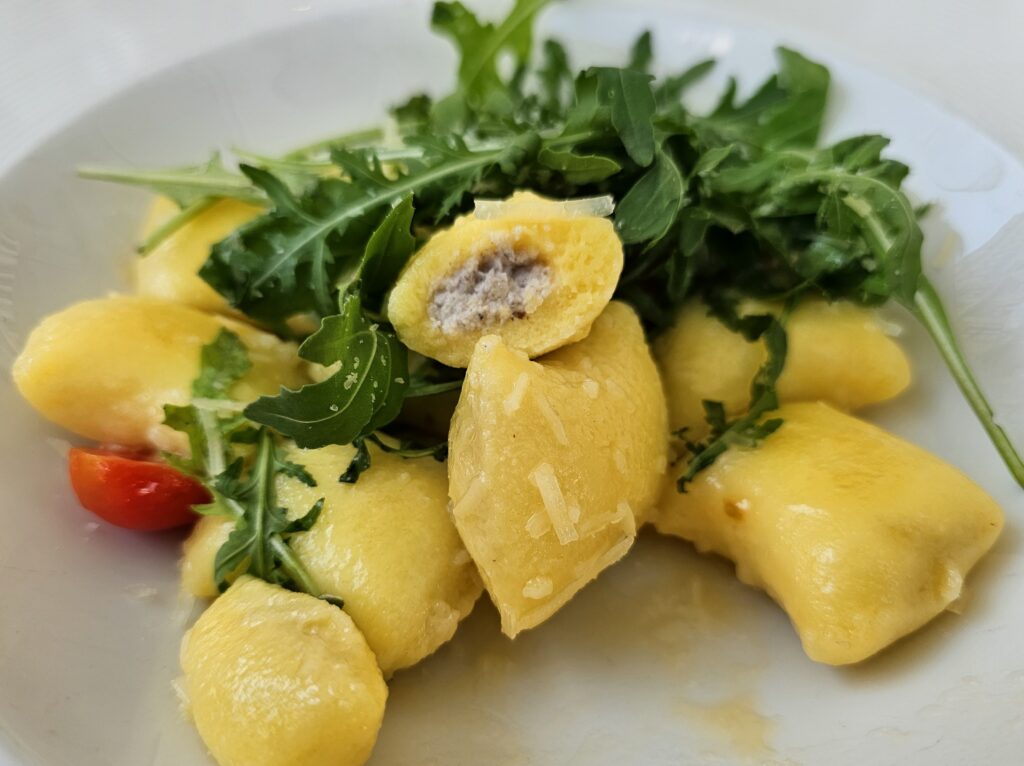
These tender, golden gnocchi were filled with a rich, earthy truffle paste that added incredible depth of flavor. The soft gnocchi paired beautifully with peppery fresh arugula and juicy tomatoes, making this a simple but elegant dish.
It wasn't a traditional Polish dish, but that's part of what I enjoyed about Krakow's food scene. Alongside pierogi, kielbasa and other Polish specialties, you can find restaurants serving dishes influenced by cuisines from all over Europe.
We also tried a beautiful Linguine with salmon and fresh vegetables. Wide ribbons of pasta were tossed with tender pieces of salmon, green vegetables and cherry tomatoes, then finished with fresh herbs and delicate pea shoots.
It was light, colorful and full of fresh flavors. Again, it wasn't traditional Polish food, but it was another fun example of the variety we found while eating our way through Krakow.
Exploring Kazimierz — Krakow's Historic Jewish Quarter
A visit to Krakow wouldn't be complete without exploring Kazimierz, the city's historic Jewish quarter. Walking through Kazimierz reveals centuries of Jewish heritage woven into the neighborhood's atmospheric streets.
You'll find historic synagogues, including the Old Synagogue and Remuh Synagogue, along with the Remuh Cemetery and streets lined with cafés, restaurants, bookshops, galleries and street art. Plac Nowy, or New Square, is particularly lively and is known for its food stalls where you grab some potato pancakes (for a twist on potato pancakes try my Spaghetti Squash Latkes) and take in the local atmosphere, while Szeroka Street is home to several important historic sites and former synagogues.
As we wandered through Kazimierz, we found ourselves doing what we seem to do in every interesting neighborhood—we browsed the shops, peeked into cafés and simply enjoyed walking the streets.
There are also some wonderful thrift and antique shops in the area. If you have room in your suitcase, you could easily find something interesting to take home. We didn't have much room to spare, but that didn't stop us from browsing!
The neighborhood has a fascinating mix of old and new. Faded façades sit alongside colorful murals, restored buildings and trendy restaurants, while historic reminders of Krakow's Jewish community are visible throughout the district.
For those interested in learning more about Krakow during World War II, Oskar Schindler's Factory is also located nearby. The museum offers a sobering look at Krakow under Nazi occupation and the experiences of the city's residents during this period.
Kazimierz is one of those places where history, culture and food all come together, which made it one of our favorite areas to simply wander and see where the streets—and our appetites—would take us.
A Trip Underground to the Wieliczka Salt Mine
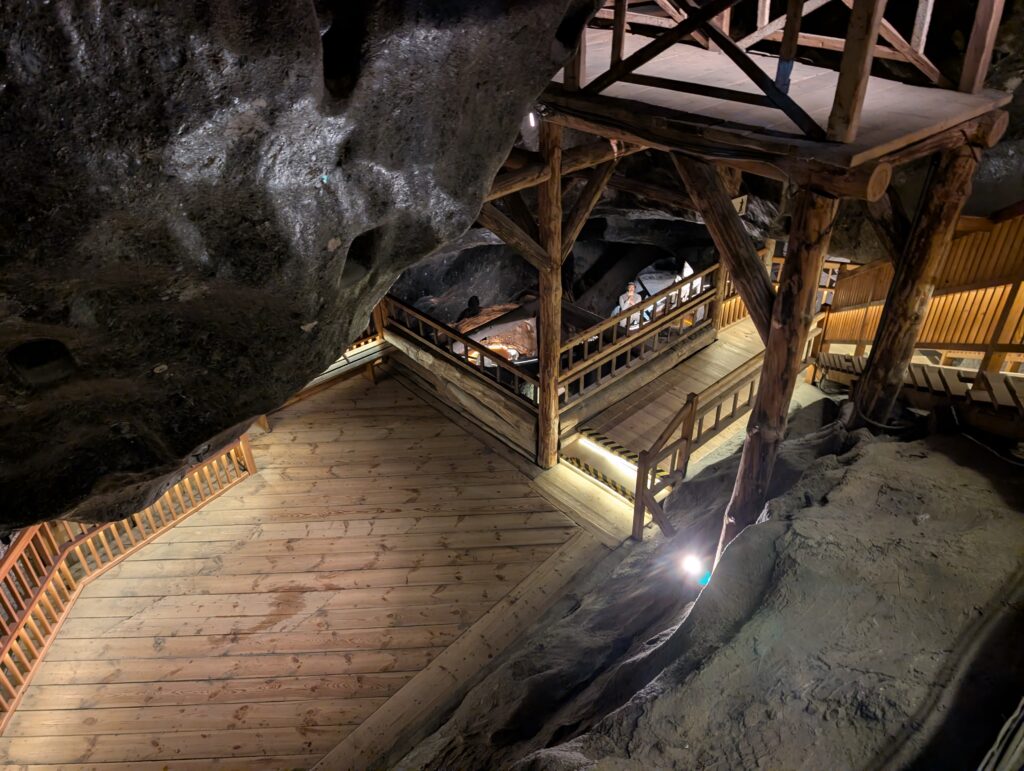
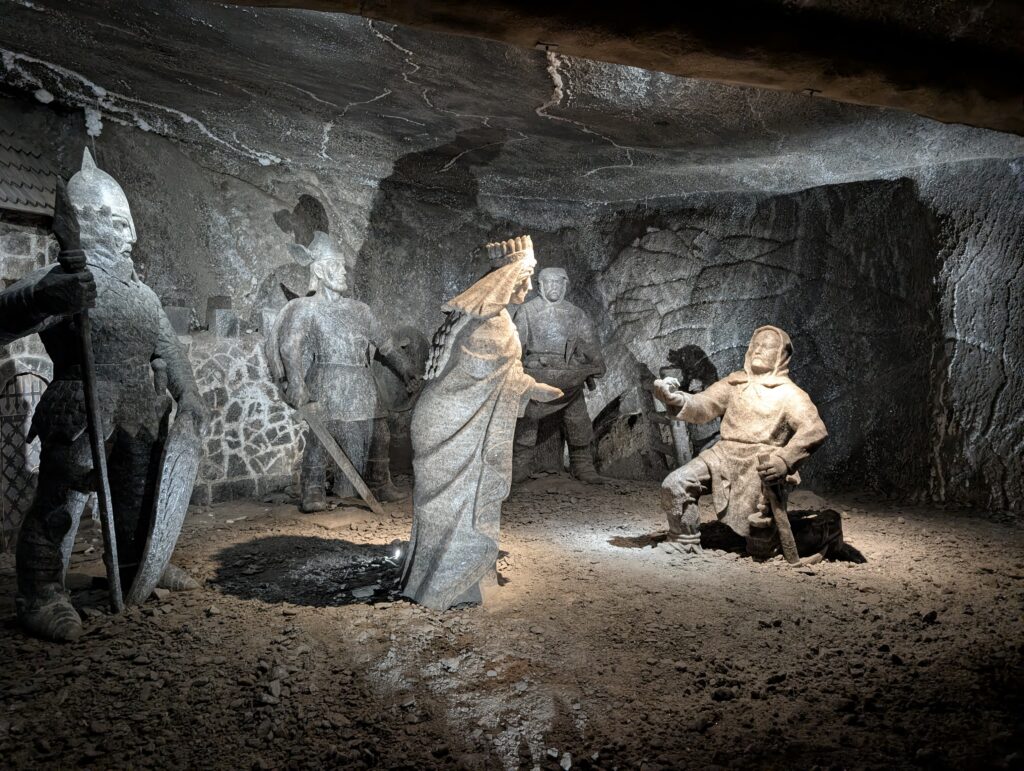
If you're looking for a really cool experience just outside Krakow, add the Wieliczka Salt Mine to your list. It's only about 30 minutes from Krakow, making it an easy half-day adventure. We booked a tour that picked us up near our Airbnb, and then we were off for a four-hour journey into the world beneath Poland.
Even before entering the mine, there was plenty to keep us entertained. While waiting near the entrance, you'll find several vendors selling snacks and drinks. Of course, we couldn't pass up an espresso, and there were waffles covered with all kinds of toppings, including the ever-popular Nutella, along with plenty of ice cream. Because apparently, every adventure needs a snack before it even begins!
Going Deep Underground
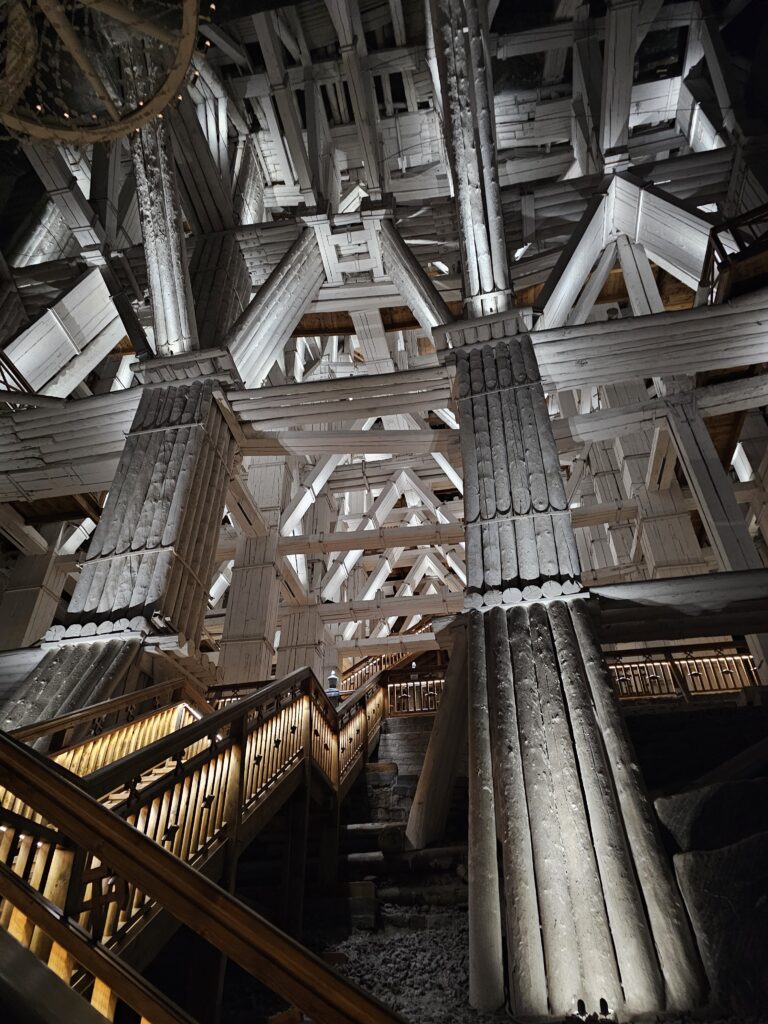
The Wieliczka Salt Mine has nine levels and reaches more than 1,000 feet below the surface, although the tourist route takes you to a little over 400 feet underground. And let me tell you, once you start walking down, you realize pretty quickly that this isn't your average sightseeing tour.
The route winds through a maze of tunnels, with plenty of stairs along the way. As you make your way deeper into the mine, you start discovering enormous chambers and rooms that have been carved directly into the salt. It's one of those experiences where you keep wondering, "How in the world did they make this?"
And just when you think you've seen something pretty impressive, you turn another corner and find something even more spectacular.
St. Kinga's Chapel
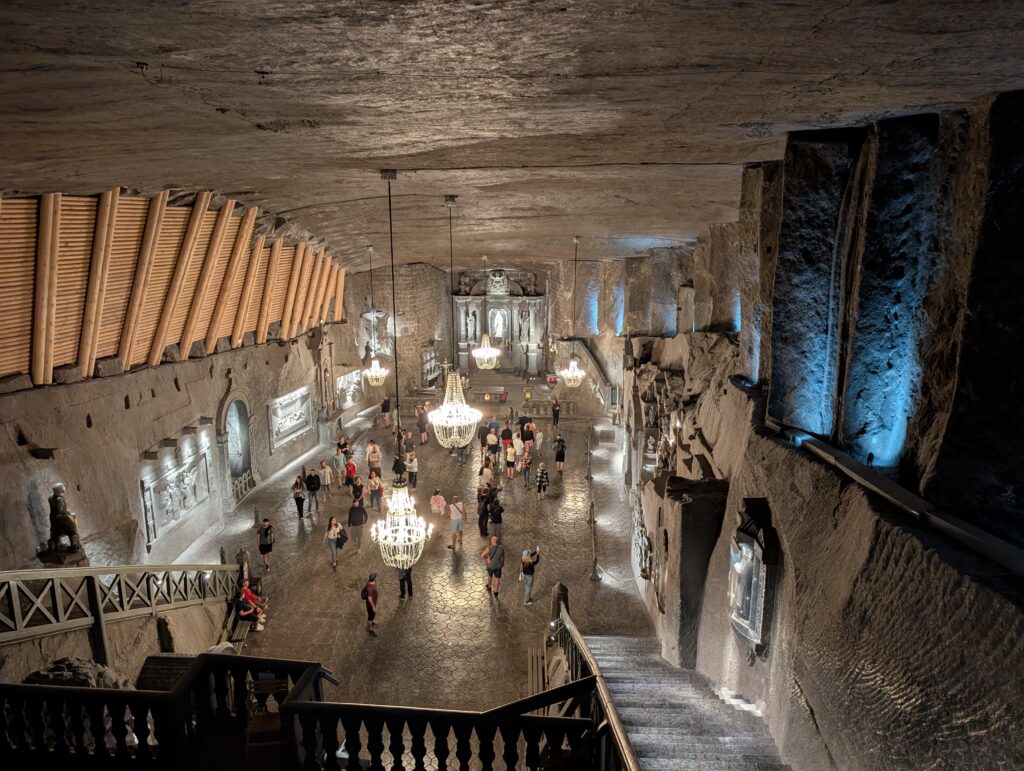
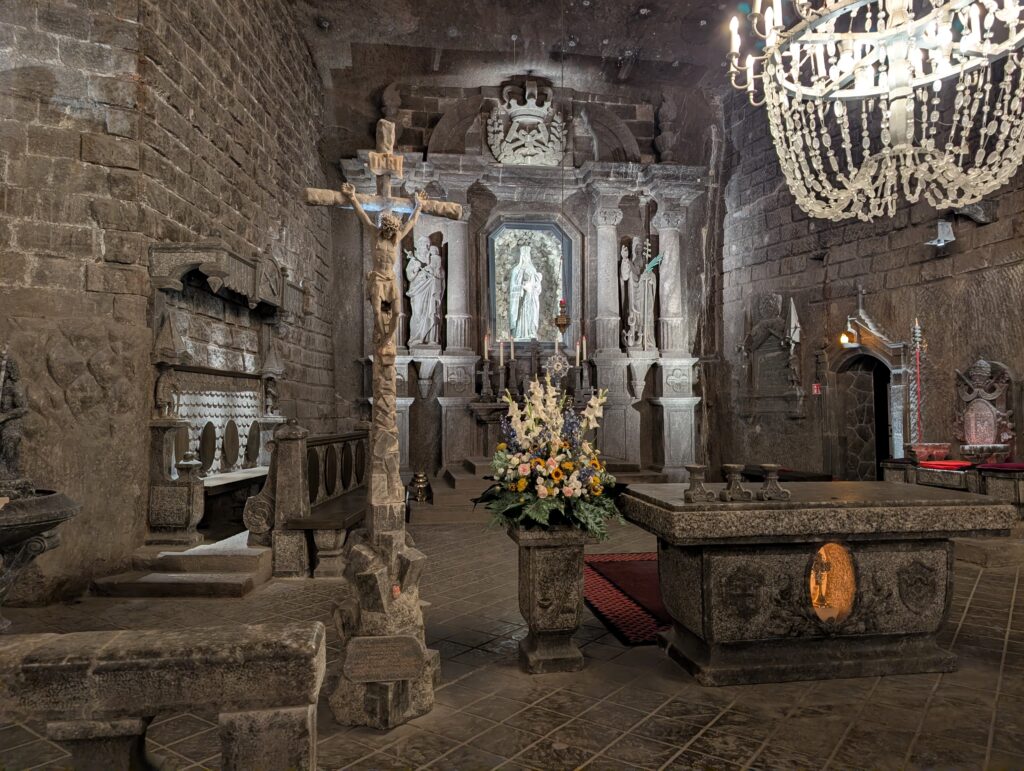
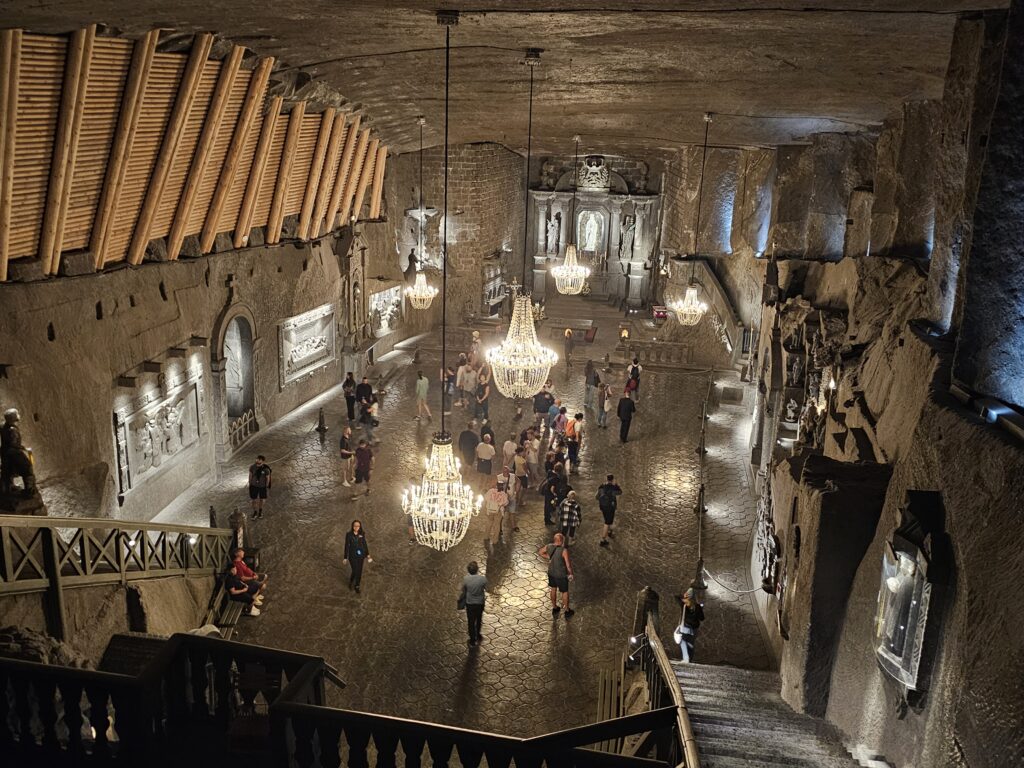
St. Kinga's Chapel is the showstopper.
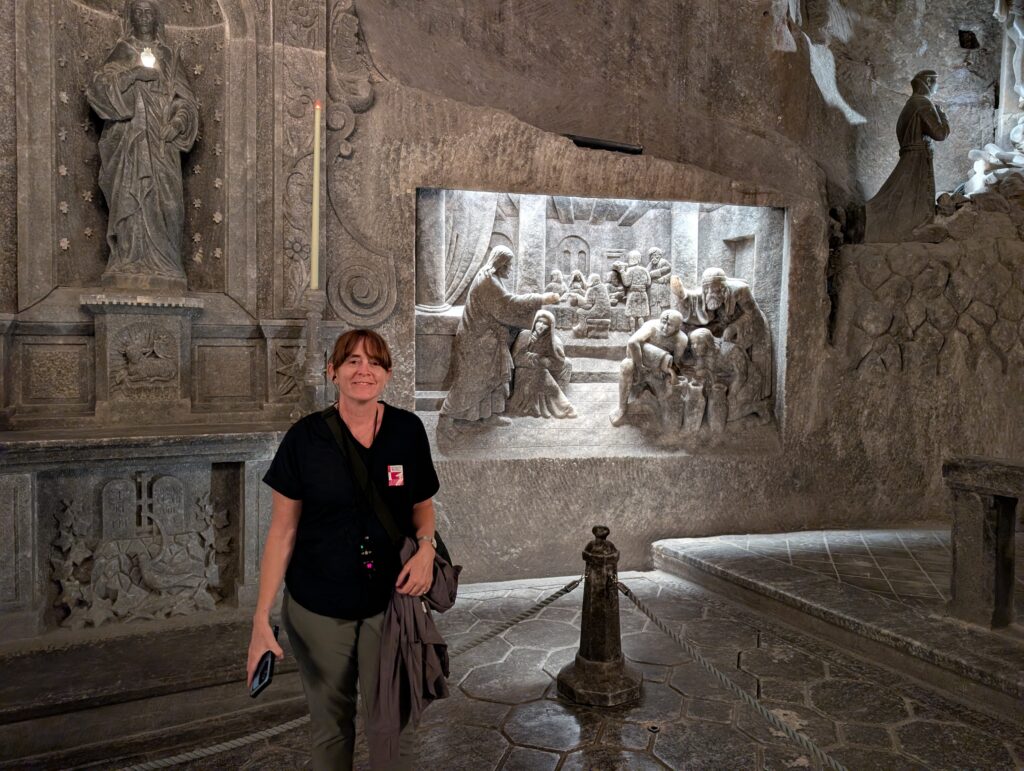
You turn the corner and suddenly realize that the Wieliczka Salt Mine isn't just a bunch of dark tunnels underground. There, more than 300 feet below the surface, is an enormous underground chapel carved almost entirely from salt.
And when I say carved from salt, I mean the walls, sculptures, chandeliers and intricate decorations were all created from the rock salt. It feels almost impossible that you're standing inside a beautiful church so far beneath the ground.
Generations of salt miners spent years transforming the rock around them into religious sculptures and works of art. Look closely at the walls and you'll find incredibly detailed salt-carved reliefs, including a recreation of Leonardo da Vinci's The Last Supper.
But I think the chandeliers might have been my favorite part. At first glance, they look like beautiful crystal chandeliers, but they're made from salt crystals. With the lights reflecting off the walls, the whole chapel has an almost magical glow.
And then there's the size. This isn't some tiny underground room with a few candles. The chapel is large enough to hold concerts and religious services. It's pretty mind-blowing when you stop and think about where you are—hundreds of feet underground inside an old salt mine!
What fascinated me most was thinking about the people who created it. These weren't professional sculptors or architects. They were salt miners who spent their spare time carving the rock around them into something beautiful.
Talk about taking your workplace to the next level!
Whether you're religious or not, St. Kinga's Chapel is one of those places that makes you stop, look around and think, "Wait...they actually built all of this underground?"
Salt Lakes Deep Underground
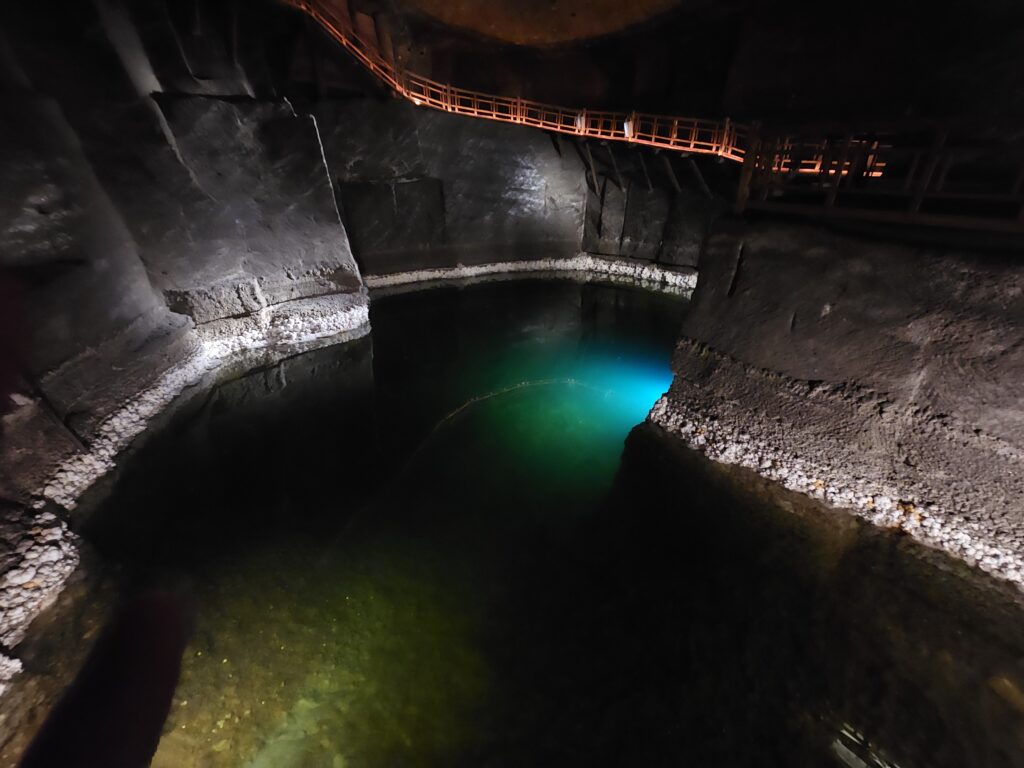
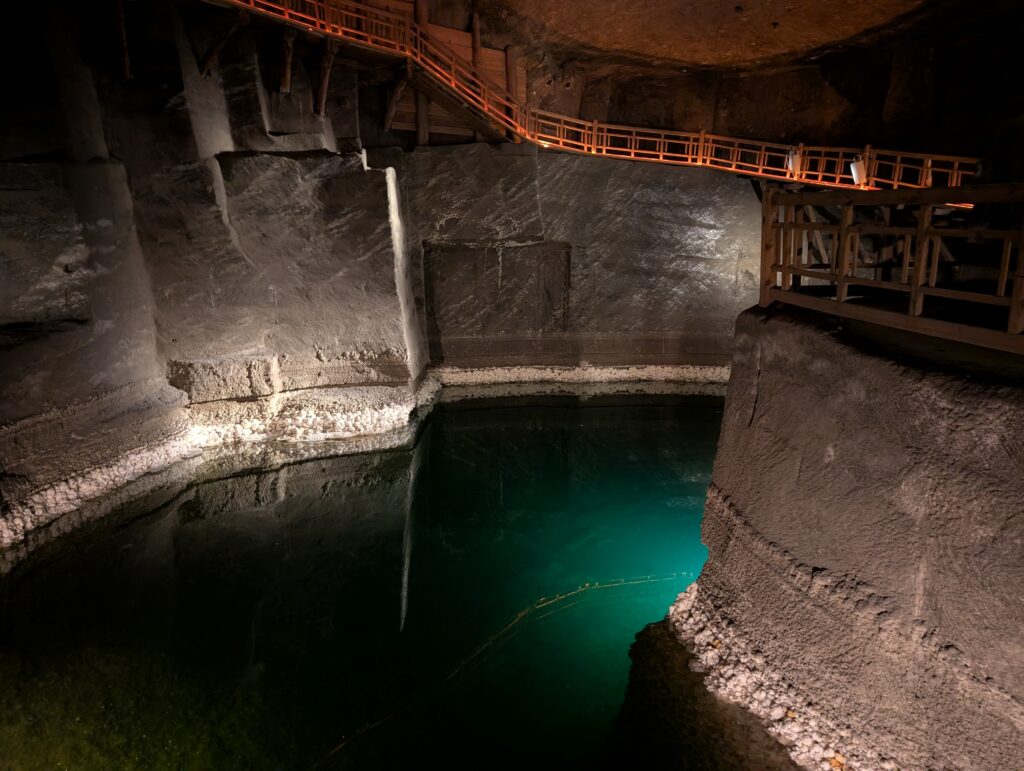
And the chapel isn't the only surprise waiting underground. Along the tour, you'll also encounter underground salt lakes that add another completely unexpected element to the experience.
At one point, you can look down on the water from above, then continue along the route and get a closer look. The dark, still water surrounded by the salt walls creates an almost otherworldly atmosphere.
By this point, we had completely forgotten that we were walking through what was once a working mine. It felt more like exploring an underground city filled with enormous chambers, sculptures, lakes and hidden surprises.
Is the Wieliczka Salt Mine Worth Visiting?
Absolutely!
The entire experience is an adventure, from descending into the mine and wandering through its tunnels to discovering enormous chambers, underground lakes and the incredible St. Kinga's Chapel.
It's also a great example of how something as ordinary as salt can become such an important part of a place's history and culture. After spending several hours underground, we came away with a completely different appreciation for the work that went into creating this incredible place.
If you're visiting Krakow and have a few extra hours, I definitely think the Wieliczka Salt Mine is worth the trip. Just wear comfortable shoes, be prepared for lots of walking and stairs, and maybe save that waffle and Nutella for the end of your adventure—you'll have earned it!
Final Thoughts: Krakow Through Food
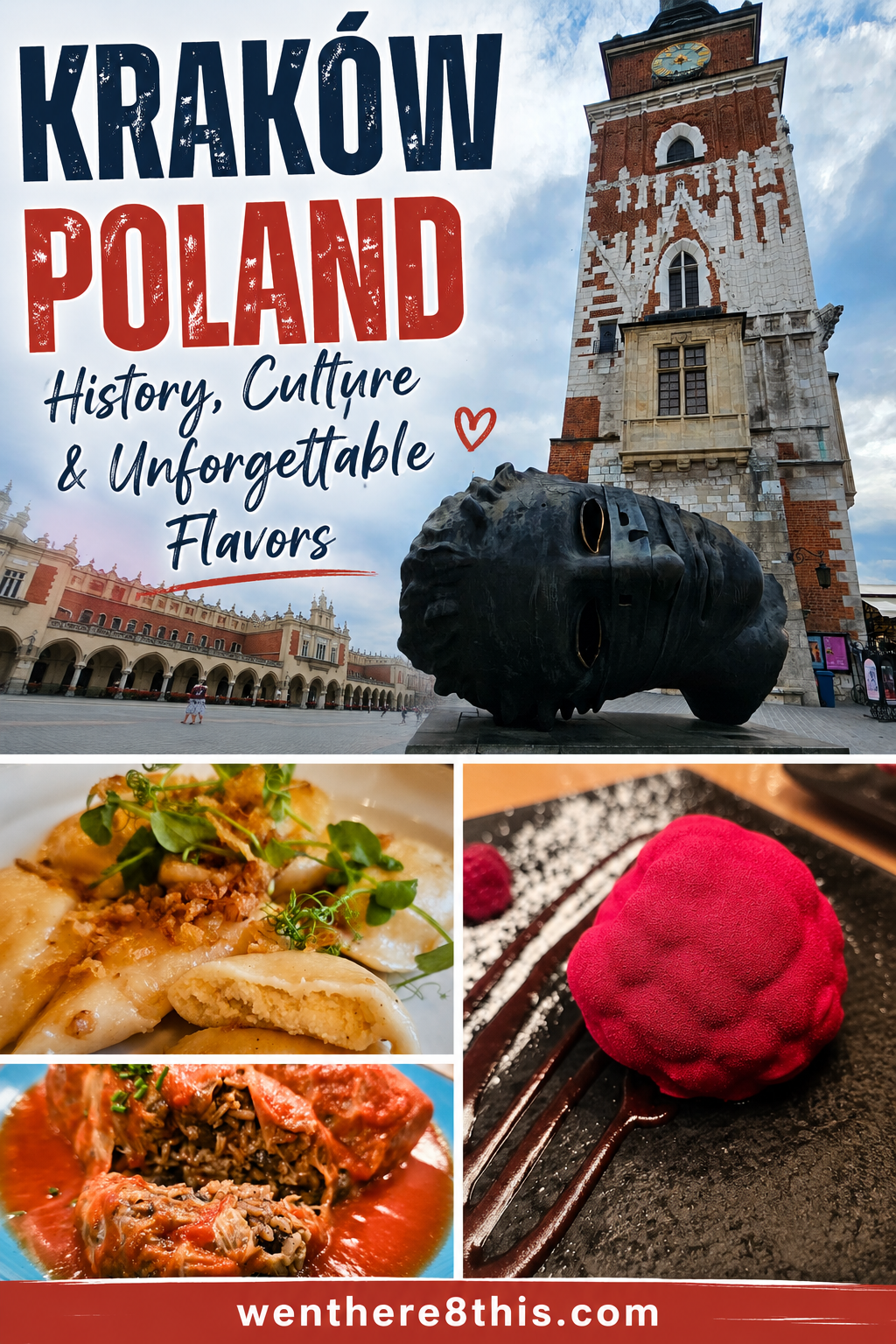
Krakow turned out to be exactly the kind of destination we love—beautiful, historic, incredibly walkable and, of course, full of good food. From our first plate of soft, tender pierogi overlooking the Main Market Square to pastries we probably didn't need but absolutely wanted, we found ourselves experiencing the city through our appetites as much as through its historic sights.
What I loved most about Krakow was how easily food and history seemed to come together. We could spend the morning wandering through the Old Town, stop for a traditional Polish snack, explore the historic streets of Kazimierz, grab a zapiekanka, and then end the day sitting in a café watching the city go by. Even our trip to the Wieliczka Salt Mine reminded us how deeply food can be connected to a place's history—the mine's salt shaped the lives and culture of the people who worked there, while the incredible underground chambers and St. Kinga's Chapel made it an adventure we won't soon forget.
And then there were the little surprises: finding Turkish eggs and shakshuka on breakfast menus, discovering just how many vegetarian options my husband could enjoy, stopping for coffee and pastries more times than I probably should admit, and realizing that Polish food is so much more than pierogi and kielbasa. Krakow's food scene gave us traditional dishes, modern interpretations and plenty of international influences to keep things interesting.
For me, though, the pierogi may have been the biggest takeaway. Eating them in Poland brought back memories of my grandmother making them the traditional way, and it reminded me why I love traveling through food in the first place. Sometimes a dish isn't just a meal—it connects you to a place, a memory or even a piece of your own history.
Living in Budapest has given us the opportunity to explore Central and Eastern Europe in a way we never could have while living in the United States. A quick flight can take us somewhere completely new, and every trip gives me another opportunity to taste something I've never tried, discover a new cooking technique or find inspiration for what I'll make when I get back into my own kitchen.
So, would I recommend Krakow? Absolutely. Come for the history, stay for the food, and leave plenty of room in your suitcase—and your stomach—for the pastries.
For us, Krakow was more than a sightseeing trip. It was a chance to walk through centuries of history, discover a fascinating food culture, reconnect with a little bit of my family's Polish food memories and, as always, experience a new destination one bite at a time.
More Great Central European Destinations
- Salzburg Day Trip from Vienna: Food, History & Things to Do
- Exploring Krakow Through Food: Polish Dishes, Historic Old Town & Wieliczka Salt Mine
- Vienna Austria: Imperial History, Elegant Architecture & Incredible Food
- Exploring Budapest Through Food: A Food Lover's Guide to Hungary's Capital
- What I Ate in Romania: Castles, Bucharest & Traditional Romanian Food
- Szentendre: A Colorful Day Trip from Budapest
- Hungarian Chimney Cake (Kürtőskalács)



Comments
No Comments